Crop progress
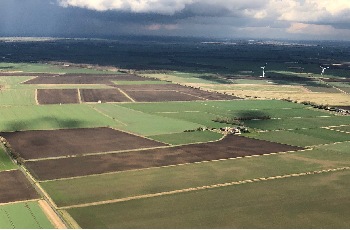
In the South West there has been just enough rain to keep crops going and no yield potential has been lost so far. In addition, there has been plenty of dry days for growers to apply crop protection programmes and complete spring drilling, so the mood remains buoyant. Further east, drought and crop stress are starting to feature in conversations, which is a concern.
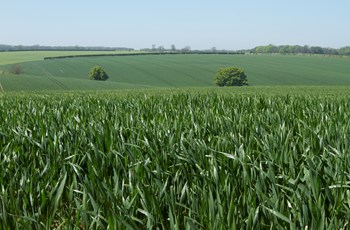
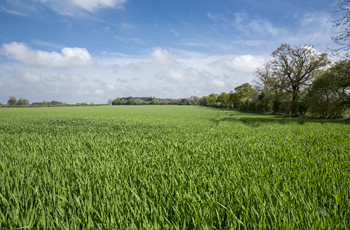
Since the warm Easter weather, cereal crops have been racing through the growth stages. Most wheat received a T1 fungicide in the last 2 weeks of April prior to rain. I would expect flag leaves to be fully emerged from mid-May onward.
Oilseed rape crops vary across the region, depending on whether cabbage stem flea beetles have had their way. However, there are some fantastic looking crops out there, which many growers are keeping to themselves knowing the trouble some are having in other parts of the country this season.
Rozzi’s agronomy tips for May
1. Ascra the best T2 fungicide in high Septoria pressure trials in the South-West
T2 is the most responsive fungicide timing, targeting both leaf 1 and leaf 2, which combined contribute up to 70% of final yield. By the time the T2 spray goes on, parts of leaf 2 may have been exposed to Septoria spores for several weeks; particularly after rapid growth during the warm end of April followed by showery weather, increasing the likelihood of requiring a curative T2 fungicide.
While efficacy has slipped since their launch, SDHIs are currently the most curative of the available fungicides. Alongside high rates of fluxapyroxad, the bixafen/fluopyram double SDHI mix in Ascra is the most curative SDHI option available. Ascra has performed particularly well in high Septoria pressure trials in the South-West in recent years, which may be due to the complementary activity of the two different types of SDHI. Fluopyram is a benzamide SDHI and so is slightly different to the other SDHIs in its Septoria selectivity profile. And while fluopyram is less intrinsically active on Septoria than bixafen, its inclusion contributes to the improved efficacy seen with Ascra.
According to Fungicide Resistance Action Committee (FRAC) guidelines, it is critical to support the SDHI with a robust dose of an effective primary azole. Therefore, you should be aiming for a minimum of 75% dose of either prothioconazole or epoxiconazole to reduce the pressure on the SDHI doing all the work. While the efficacy of both epoxiconazole and prothioconazole have fallen in recent years, trials have consistently shown that epoxiconazole has slipped more than prothioconazole. And metconazole remains a weaker Septoria triazole. The below chart shows the triazole dose in a selection of the more common T2 products highlighting the robust triazole loading in both Aviator and Ascra.
|
Azole
|
Product
|
Product Dose
|
Azole Dose
|
|
Prothioconazole
|
Aviator
|
1
|
80%
|
|
1.25
|
100%
|
|
Ascra
|
1.2
|
78%
|
|
1.5
|
97.5%
|
|
Elatus Era
|
0.8
|
62.5%
|
|
1
|
75%
|
|
Epoxiconazole
|
Adexar
|
1.25
|
62.5%
|
|
1.5
|
75%
|
|
Metconazole
|
Librax
|
1.25
|
62.5%
|
|
1.5
|
75%
|
2. Hit barley disease with Siltra + CTL at T2
There is lots of leaf spotting in winter barley crops and at present it is hard to identify a specific cause. Fundamentally, this shouldn’t be a concern, as it is likely to be a combination of factors, including spray scorch, stress from large diurnal temperature fluctuations and perhaps some abiotic spotting. Brown rust is also present in some crops, but this will be addressed by a prothioconazole-based T2 application.
Options at the T2 timing – from awns to ear emerged – include 0.4-0.5L/ha of Siltra (bixafen + prothioconazole) or 0.75L/ha Fandango (fluoxastrobin + prothioconazole). The inclusion of chlorothalonil at this stage is vital to protect against ramularia infection. Make sure the chosen CTL product is approved for the growth stage at which it is applied.
3. Apply a second sclerotinia spray if crops remain at risk
Most growers have applied a flowering fungicide to oilseed rape for sclerotinia protection during April. Where there is a disease risk and flowering is extended, a second follow up spray should be considered three weeks after the first. Unfortunately, variable fields affected by cabbage stem flea beetle fall into this category making for some difficult decisions, which needs to be done on a field by field basis considering crop potential.
Proline will protect against sclerotinia and light leaf spot, plus give some useful activity on late season diseases powdery mildew and Alternaria.