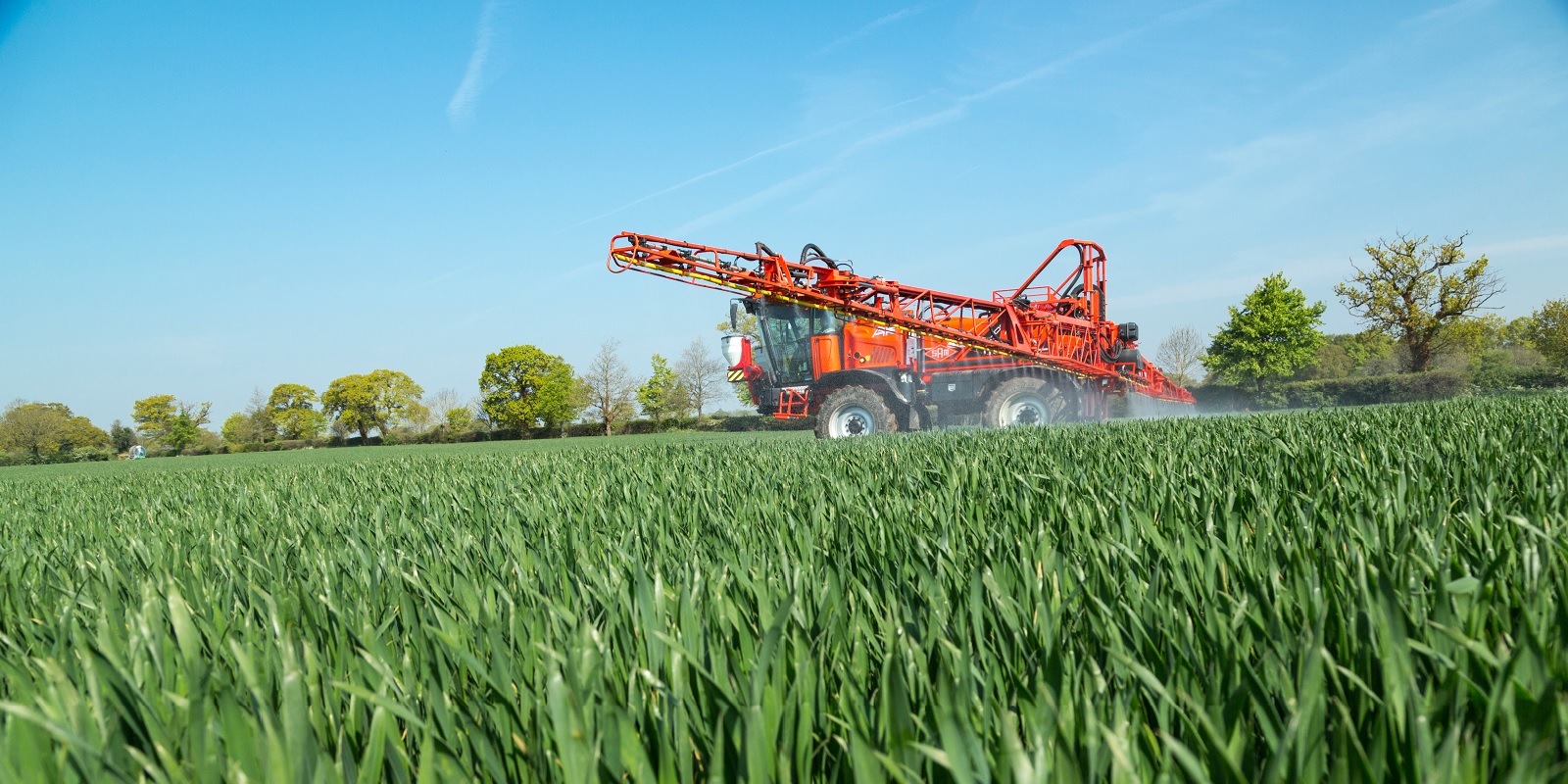
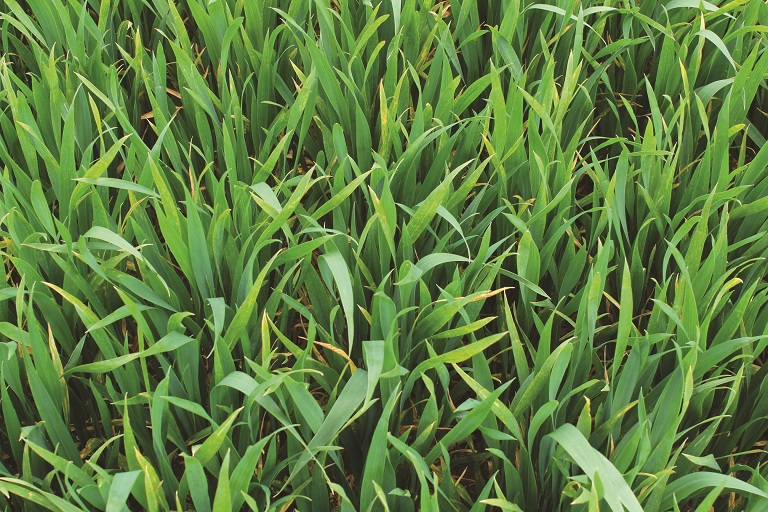
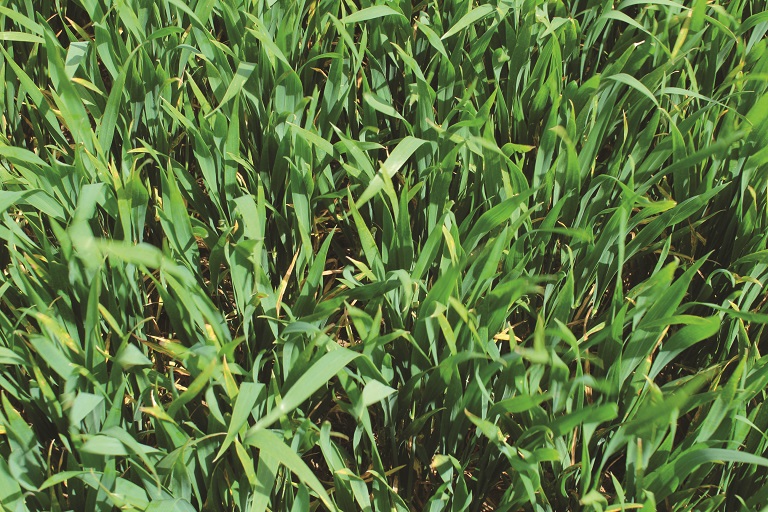
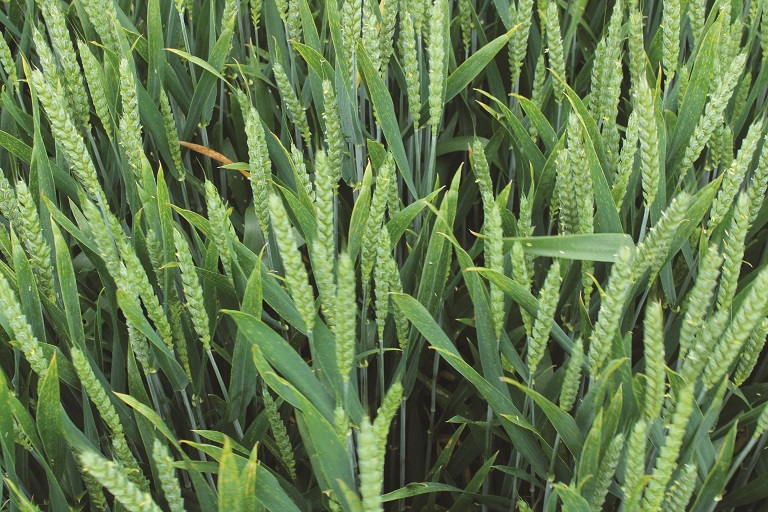
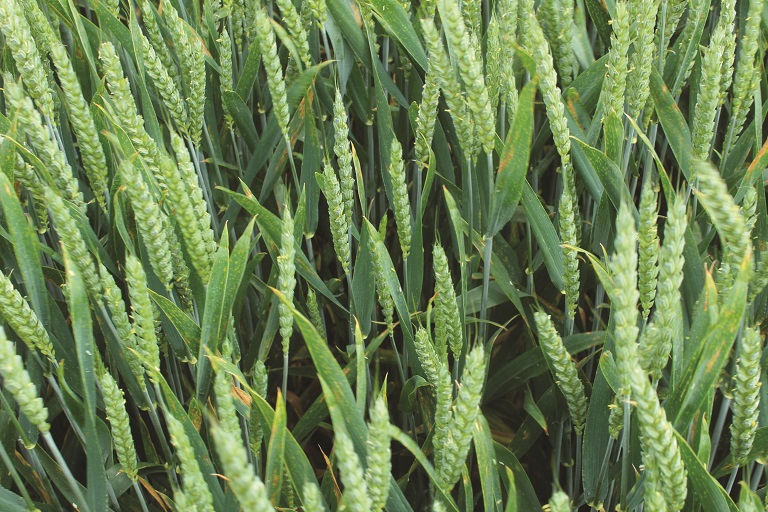
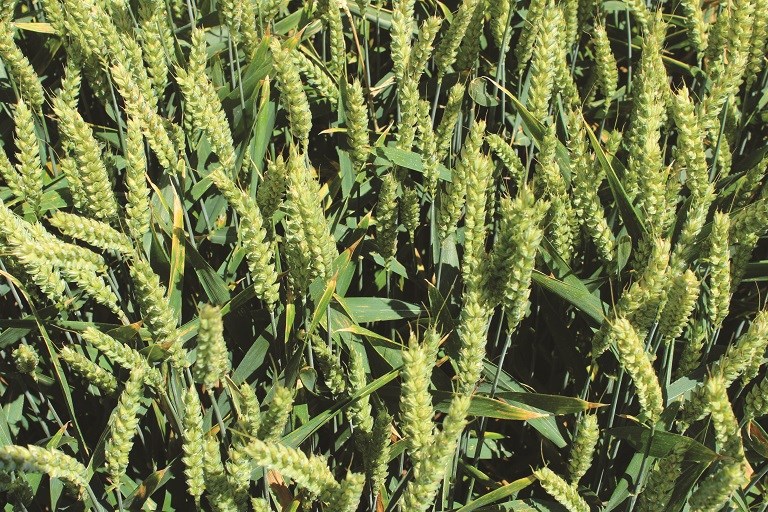
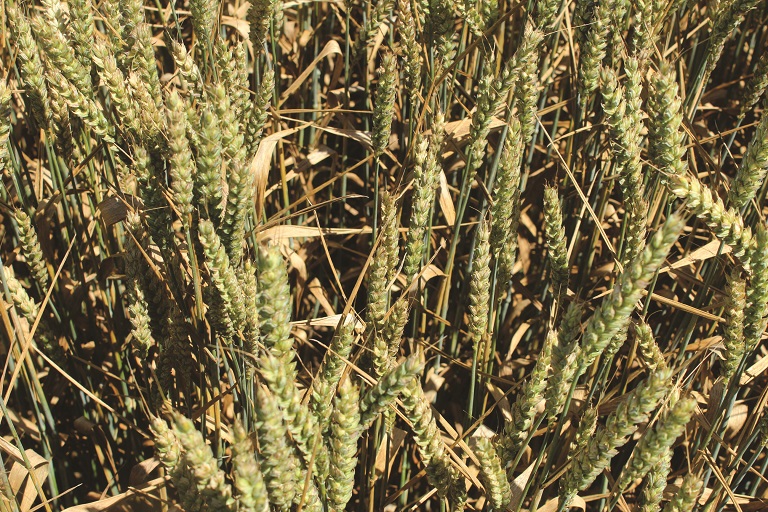
Last season’s disease incidence may have been lower than many expected, but the presence of different threats at key spray timings resulted in clear benefits from tailoring wheat fungicides to the field situation and variety.
Yellow rust and mildew were first to show, Septoria maintained a low level season-long presence where there was enough moisture, while both brown rust and Fusarium came into crops later, recalls ADAS principal research scientist, Jonathan Blake.
Additionally, the early warm and dry spell meant many crops’ growth stages were more variable than normal, making spray timings more difficult and giving growers lots of nuances to deal with.
“Each spray timing had a different challenge,” says Dr Blake. “We also saw regional variations depending on the amount of rainfall. In the east, disease pressure was much lower than in the west.”
Fortunately, early yellow rust infections were dried-up by hot conditions in early June, he says, with temperatures of 22-23°C preventing further disease development.
“Yellow rust always had potential to cause problems in 2017, as there were new races out there and we didn’t know how they were going to behave in the field,” he notes.
“Despite the diversity in the pathogen population, we have the chemistry to deal with it.”
The heat may have stopped yellow rust in 2017, but the situation remains very fluid, and growers cannot be complacent, he warns.
Unusually, Septoria was not at the forefront of spraying plans last year, he says. “There was some disease around at T0 and T1, but it didn’t cause huge concern and was mainly confined to lower leaves.”
The first two sprays took care of any infection, with dry, sunny conditions throughout April allowing some savings.
“At the time of making the decision to cut back, it is very difficult to know whether it is the right thing to do. One lesson from the 2017 season is to aim your fungicide programme at the situation you are facing, not what you are expecting to see.”
Variety-specific fungicide programmes also made their mark, reports Dr Blake. “There was quite a bit of tailoring done according to variety and drilling date, which is also where some were able to reduce their spend.”
However, rain just before T2 sprays were applied prompted a change of tack, with growers easily persuaded to include some eradicant action and use robust rates.
“There were two new SDHI products launched for T2 last year, including Ascra, and they performed as expected. We didn’t see Septoria progress beyond T2 in the way we have before, as it turned dry again.”