

Roundup
Control weeds out of the crop using cultivation and glyphosate to reduce the weed burden germinating in the crop. Learn about how to get the best result by using Roundup formulations which are proven to work in the toughest conditions.
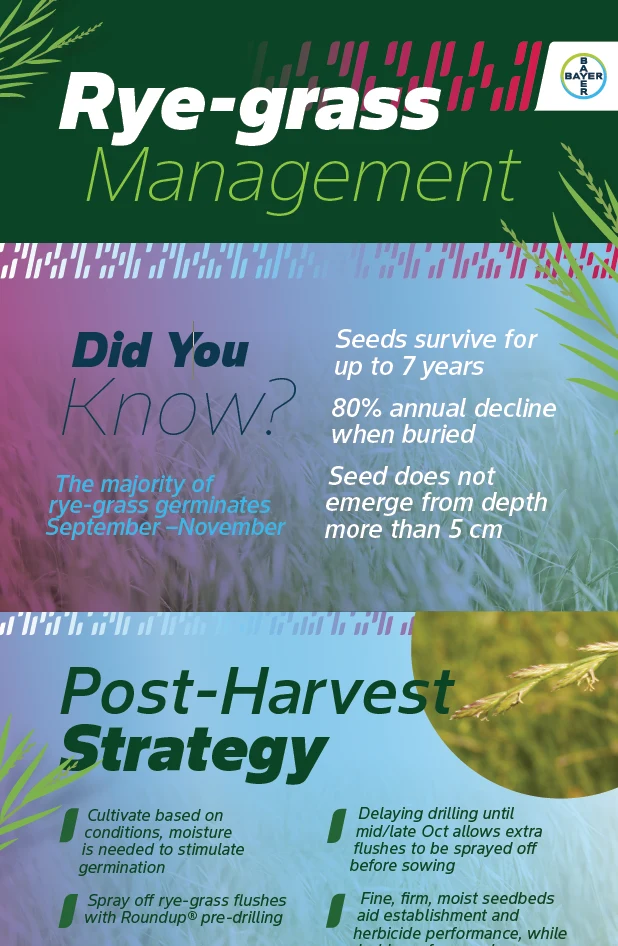
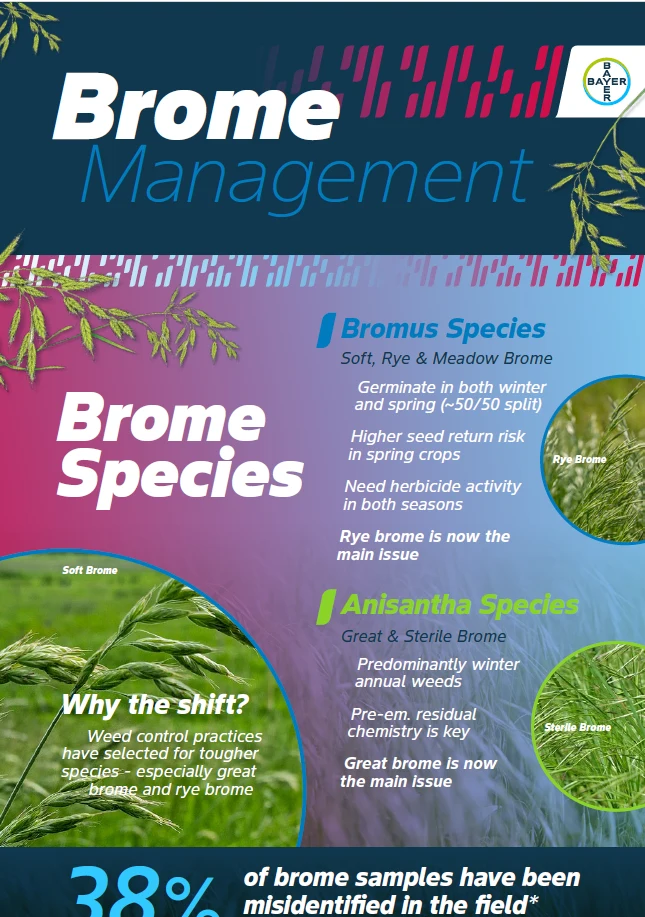
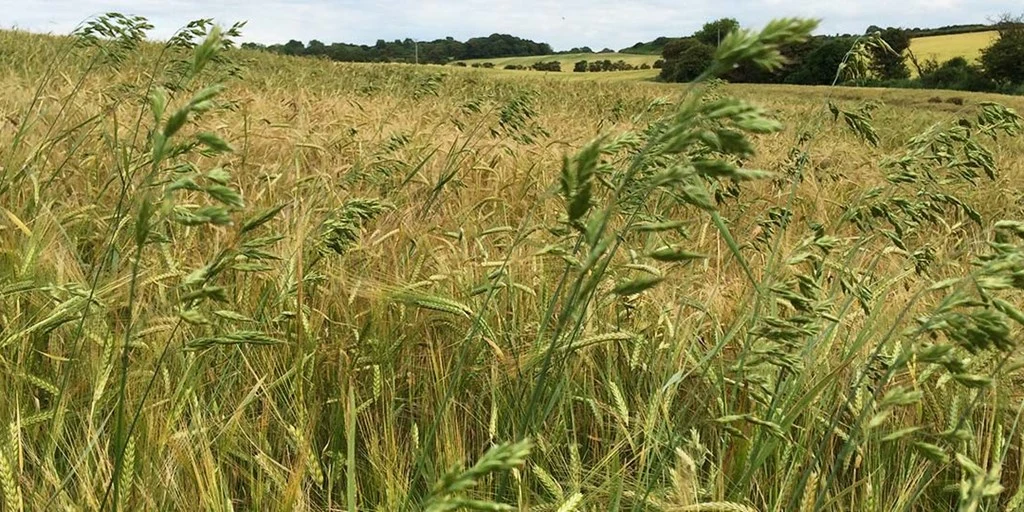
Weeds take light, nutrients and water from the crop. They rob yield and affect the profitability of crop production. Effective weed control is a priority from drilling until harvest. In cereals, grass weeds like black grass, Italian rye-grass and brome are the biggest threat but broad leaf weeds cause problems too. Integrated weed management which uses a diverse mix of cultural and chemical control is the best long-term method for weed control. This Guide outlines the most important steps for a successful weed control programme.


Control weeds out of the crop using cultivation and glyphosate to reduce the weed burden germinating in the crop. Learn about how to get the best result by using Roundup formulations which are proven to work in the toughest conditions.
The goals of an IWM plan can be simply stated as follows:
Suppress weed growth and biomass accumulation to limit their ability to decrease yield
Minimise weed seed production to limit the return of seeds into the soil seed bank
Deplete weed seed reserves in the soil to minimise germination in subsequent years
Prevent or reduce the spread of weeds to keep problems away from non-problem areas
How long will residual herbicides protect your crop?
Not all residuals provide protection for the same amount of time.
Herbicides degrade at different rates, aclonifen, diflufenican and pendimethalin are typically the longest lasting.
Soil and weather conditions affect the speed of degradation. Warmer soil conditions tend to speed it up, so longevity is improved for herbicides used later in the season.
Estimating the level of protection in the crop is challenging, aim to top up residual protection 2-4 weeks after the first application if you expect more germination.
How to choose actives for the herbicide programme that complement one another
Understanding the different properties of residual herbicides is helpful when planning and evaluating the herbicide programme but do not lose sight of the basics, apply with good application technique at a suitable timing.
Herbicide performance varies due to soil type, conditions and weed spectrum. Trial results and other people’s experience can only tell you so much, look carefully at what happens on your farm.
Lighter soils need more care when using residual herbicides because the chemistry is more mobile and can reach crops seeds or be lost entirely following rainfall.
Achieving good results with residuals depends on soil condition, effective cultivation (where practised) and good establishment.
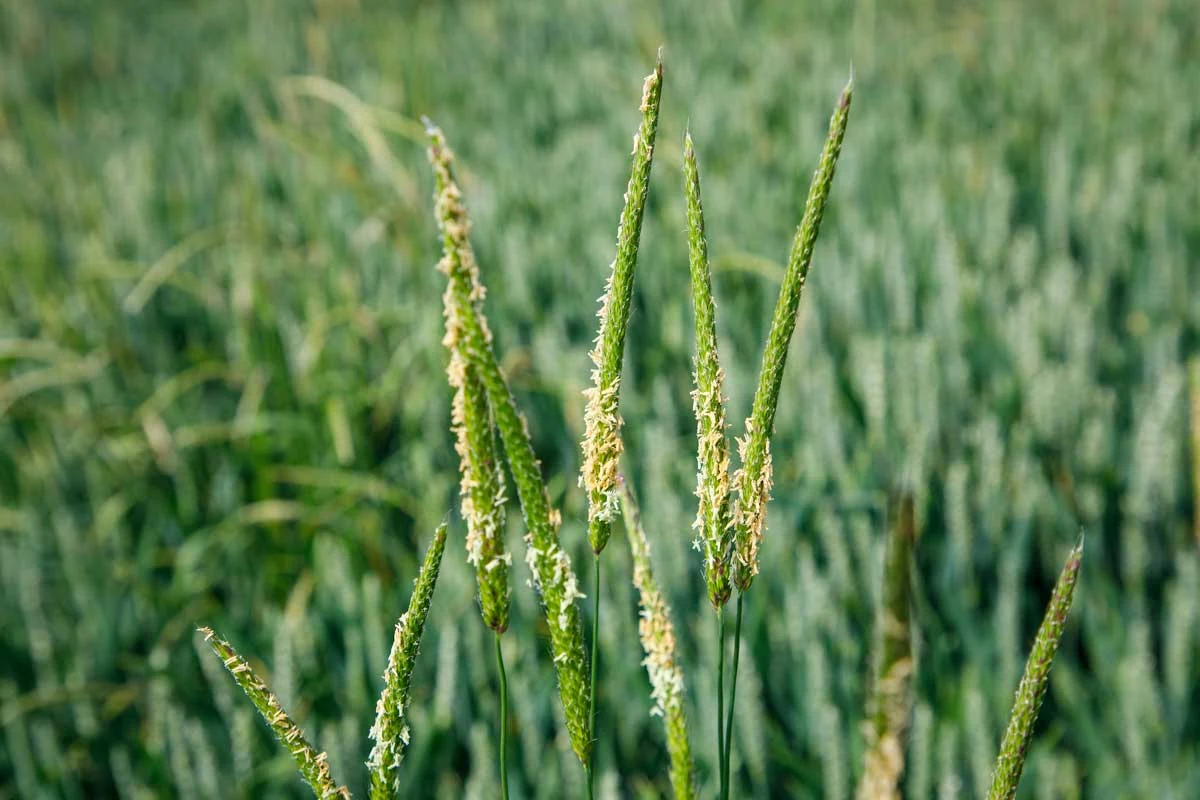
Integrated Weed Management (IWM) aims for sustainable control and management of weeds using methods designed to complement each other. It involves physical, chemical and biological methods of control without excessive reliance on any one technique. The purpose of IWM is to reduce weed pressure and keep weeds at low levels. The desired outcome is to put weeds off balance making it easier for a herbicide to do its job — which is to protect the yield potential of a crop.