Crop progress
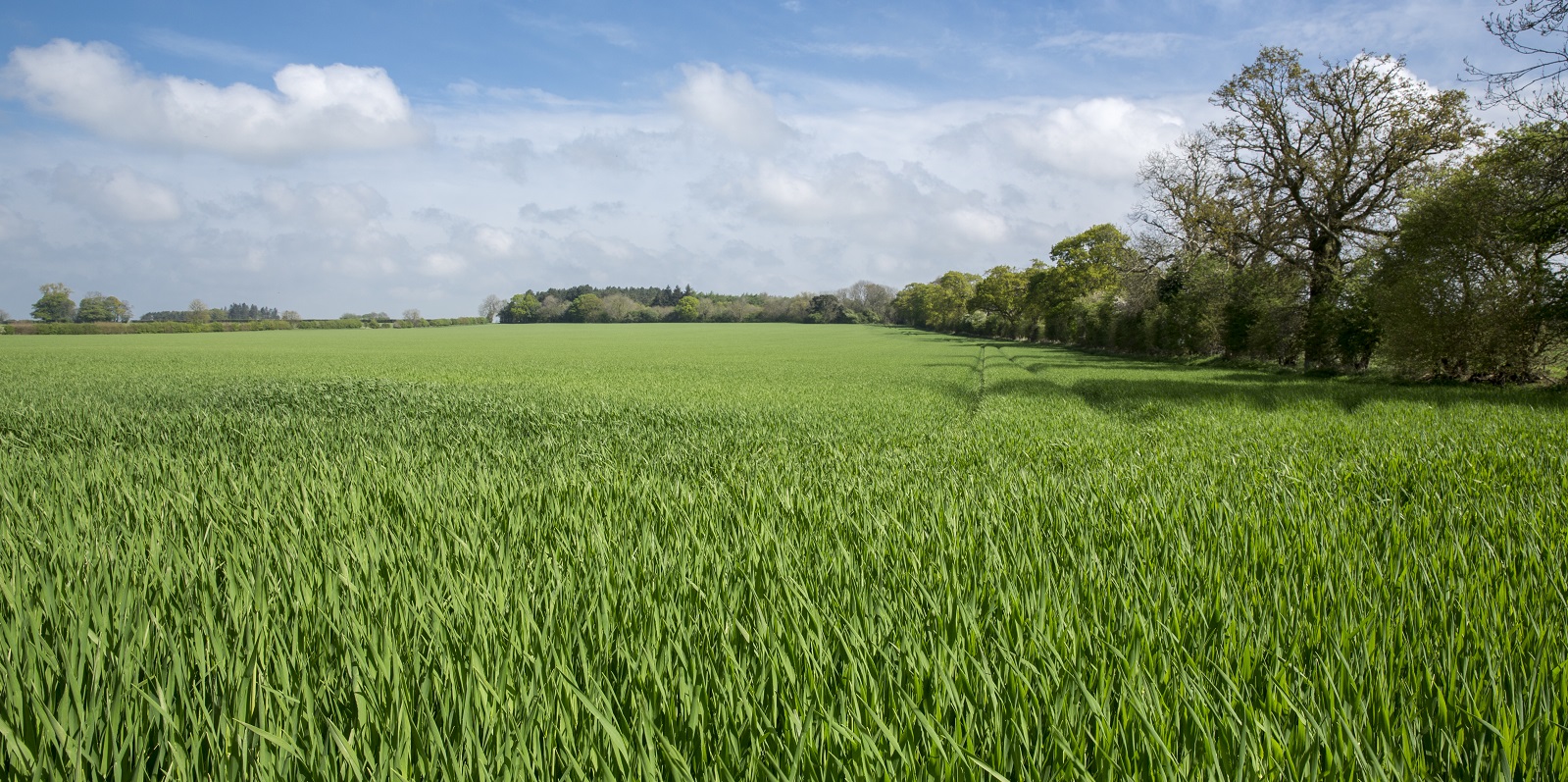
Crops are looking good and have a lot of potential. Because of the weather and ground travelling well, some of the later-drilled cereals have received some early nitrogen in late-February and has perked those up, so we are in a good place heading into March.
Oilseed rape is a little more variable. Most were looking lush and forward coming into the winter and it’s no surprise we have lost a bit of leaf area over the winter. As in cereals, some early nitrogen has helped pick plants up and they are now well into stem extension.
Jack’s agronomy tips for March
1. Utilise testing service to uncover OSR disease risk
The Bayer SpotCheck service with ADAS remains open until the end of March, so there is still time to assess light leaf spot risk in oilseed rape crops moving into the spring. Results in the autumn were coming back negative for light leaf spot, but the disease is now becoming much easier to find after the warm spell. Where it is present, a fungicide with light leaf spot activity during stem extension will help dampen it down and prevent it from spreading up plants later in the growing season.
The stem extension spray is also an opportunity to manipulate the canopy, as well as control light leaf spot. Prothioconazole will give the best activity on disease, while tebuconazole has some effect on light leaf spot and will also help to promote branching. There are various product options available that include one or both active ingredients, depending on what the priority is.
Bear in mind that specific plant growth regulators have good PGR activity, but will provide very little disease control. If using one of those products, ensure you add something that gives crops some disease protection at this timing.
2. Use crop safe product for early weed control in sugar beet
Some growers with sugar beet seed on farm have started drilling into ideal conditions, so it will soon be time to start weed control programmes in the earliest crops. Starting with an application of 0.75-1L/ha of Betanal MaxxPro (desmedipham + ethofumesate + lenacil + phenmedipham) plus 0.5L/ha Goltix (metamitron) is considered to be the safest mix on the crop when susceptible to herbicide damage soon after emergence. It also has very good efficacy on a wide range of weeds.
Look to make the first application at emergence or soon after, but also consider the size of weeds, as you need to target them when at the cotyledon stage. A pre-emergence herbicide will give you some flexibility on the first post-emergence spray, particularly where there is a high weed burden.
3. Ease workloads by completing grassweed herbicide programmes now
At the time of writing, there has been plenty of opportunities to apply grassweed herbicides during late February. If ideal conditions continue into early March, take any chance to apply any outstanding treatments before further nitrogen, PGR and fungicide treatments complicate workloads and tank mixes later in the month.
Hitting black-grass when its small is key for the best performance from contact products. Monolith (mesosulfuron + propoxycarbazone) is best on black-grass (and bromes), particularly where you aren’t too worried about broad-leaved weeds. If you are still looking for broad-leaved weed activity and black-grass is the main target, Atlantis OD and Pacifica (all iodosulfuron + mesosulfuron) are also options.
4. Keep an eye on wheat disease ahead of T0 fungicide timing
Early in the year there were bit of rust out there on susceptible varieties, along with mildew. Then a cold snap arrived, which held it back. I suspect with recent warm weather and lush forward crops we have across the region that both diseases – mildew in particular – will be prominent again leading up to T0 applications.
Through early March, disease should be monitored and where present, think about a T0 fungicide to manage rust and mildew risk later in the month. I would recommend avoiding primary azoles, such as prothioconazole or epoxiconazole, and use a tebuconazole and chlorothalonil mixture. A strobilurin for rust or specific mildewicide where mildew pressure is particularly high can also be considered to improve control.
Once you have started your programme, stick to a gap of no more than 3-4 weeks between fungicide applications to remain in a protectant scenario throughout the season.