North: 3 tips to help keep crops on track this May
Adam Tidswell gives three top tips for keeping crop protection programmes on track this May.

Posted 6 years ago
06/05/2020
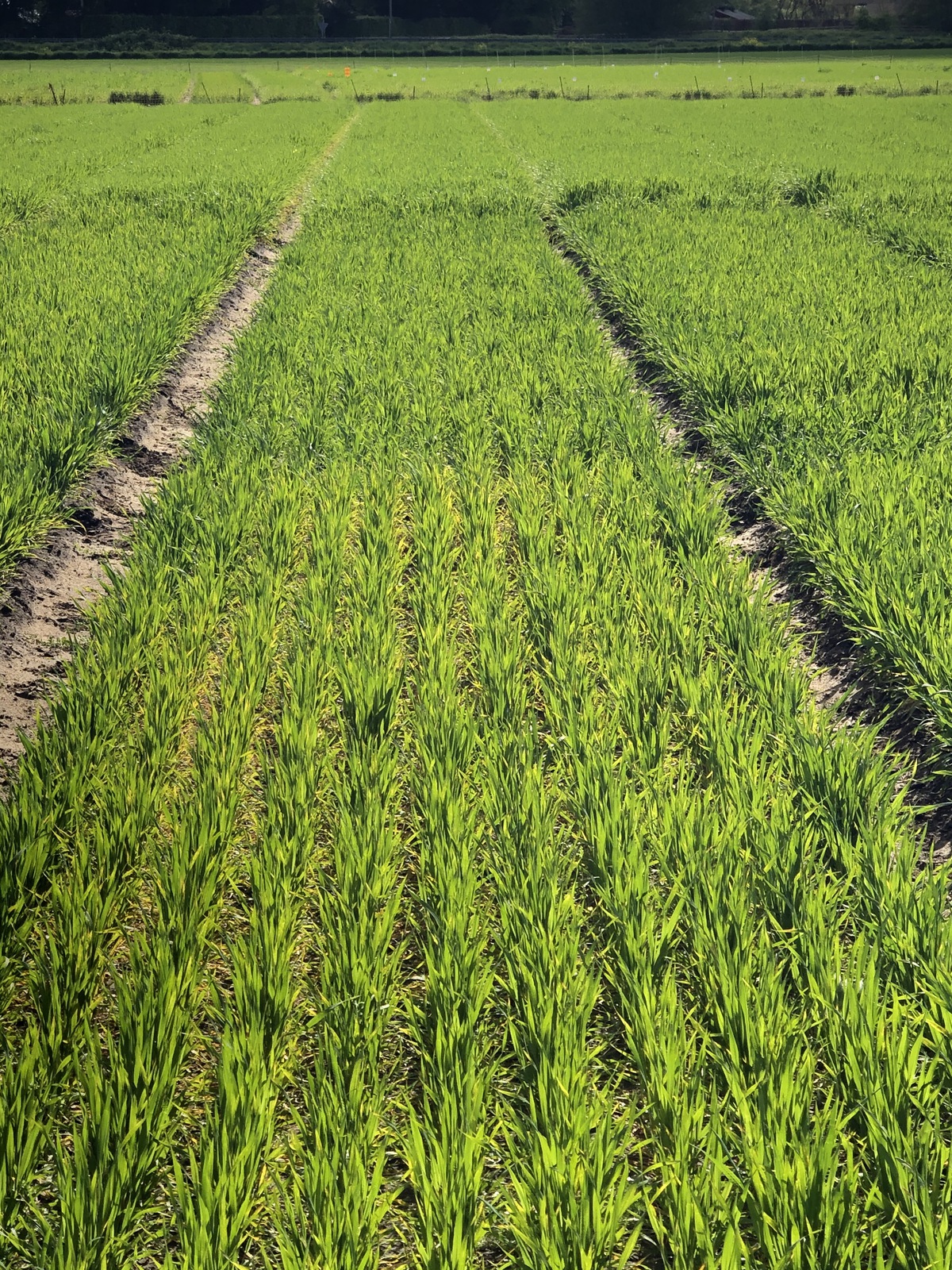
Adam Tidswell gives three top tips for keeping crop protection programmes on track this May.
While southern parts of the country had decent rain in the last week of April, in Yorkshire and the north it has not been a month of “April Showers” rather an “April Shower”. We were on track for the driest April ever with just 1mm recorded until we got around 5mm in the last week of the month.
There is more rain forecast as we head into May at the time of writing, so hopefully that does materialise as we need it to kick crops along.
Most wheat crops range from leaf three 25% to fully emerged, and T1s are likely to be through the first week of May. Not many have been applied so far, with crops on the whole late drilled in this area.
Yellow rust has mostly dried up where T0s sprays have been applied or adult plant resistance has kicked in, but there are some varieties where it is still showing. In our Field Day site at Cawood, Dunston is by far the worst, with Shabras and SY Insitor also still showing some active infection.
But with the rain Septoria will potentially start to move up the leaves, and that might lead to a rethink on product choice for T1 sprays.
My recommendation now would be to use an SDHI + azole at this timing, such as either Aviator (bixafen + prothioconazole) at 1.0 L/ha where you’re worried about eyespot, or Ascra (bixafen + prothioconazole + fluopyram) at 1.0 L/ha where Septoria and other diseases are the main threats, adding in chlorothalonil for its added protection.
The flag leaf spray in most wheat in this area is likely to be after the 20 May cut off for using up chlorothalonil on farm. One possible option, if you have any left to use up, is to apply it to final leaf 2.
That should mean the flag leaf spray is being applied in a more protectant situation and give a little more flexibility, although it is important to make sure you hit the timing for that spray spot on. It’s the one where you get most response to fungicides. Ascra at 1.0-1.2 L/ha is the option here, depending on May rainfall. Ascra’s Leafshield formulation with rainfastness in minutes is an advantage if the weather does turn catchy.
The other place to use up CTL is in barley. There’s not much winter barley generally in Yorkshire this season, but there are some pockets around, and the awns emerging spray should come before the 20 May deadline, which will help protect crops against Ramularia.
Siltra (bixafen + prothioconazole) at 0.4-0.5 L/ha will help protect barley from other diseases as well. Look out for the spot form of net blotch which has been seen in Cassia and Orwell.
In spring barley the T2 spray will be after the cut off, so consider using CTL at T1. There is some data that suggests it can have an impact at that timing, although obviously the later one is more effective.
Yorkshire growers are cracking on with potato planting. The recent rain, although more would be welcome, will help pre-emergence residuals such as Emerger (aclonifen) and Artist (flufenacet + metribuzin) work more effectively. Emerger is, however, less affected by dry conditions than other products.
It is important though to follow good practice when spraying – so half fill the sprayer with water before adding the product/s and maintaining constant agitation before spraying to avoid any potential problems.
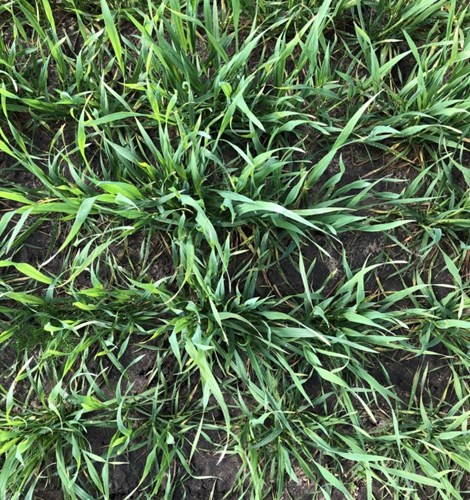
Dunston treated with T0 tebuconazole
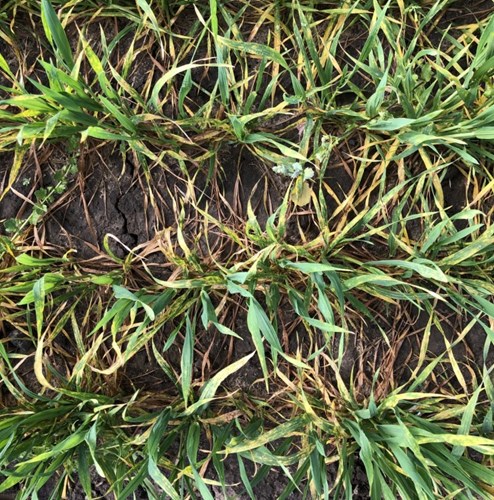
Untreated Dunston showing yellow rust
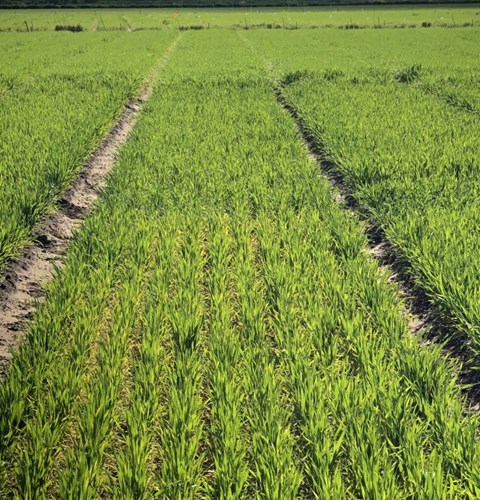
Dunston - yellow rust in untreated plot in foreground; treated plot behind it.