Crop Progress
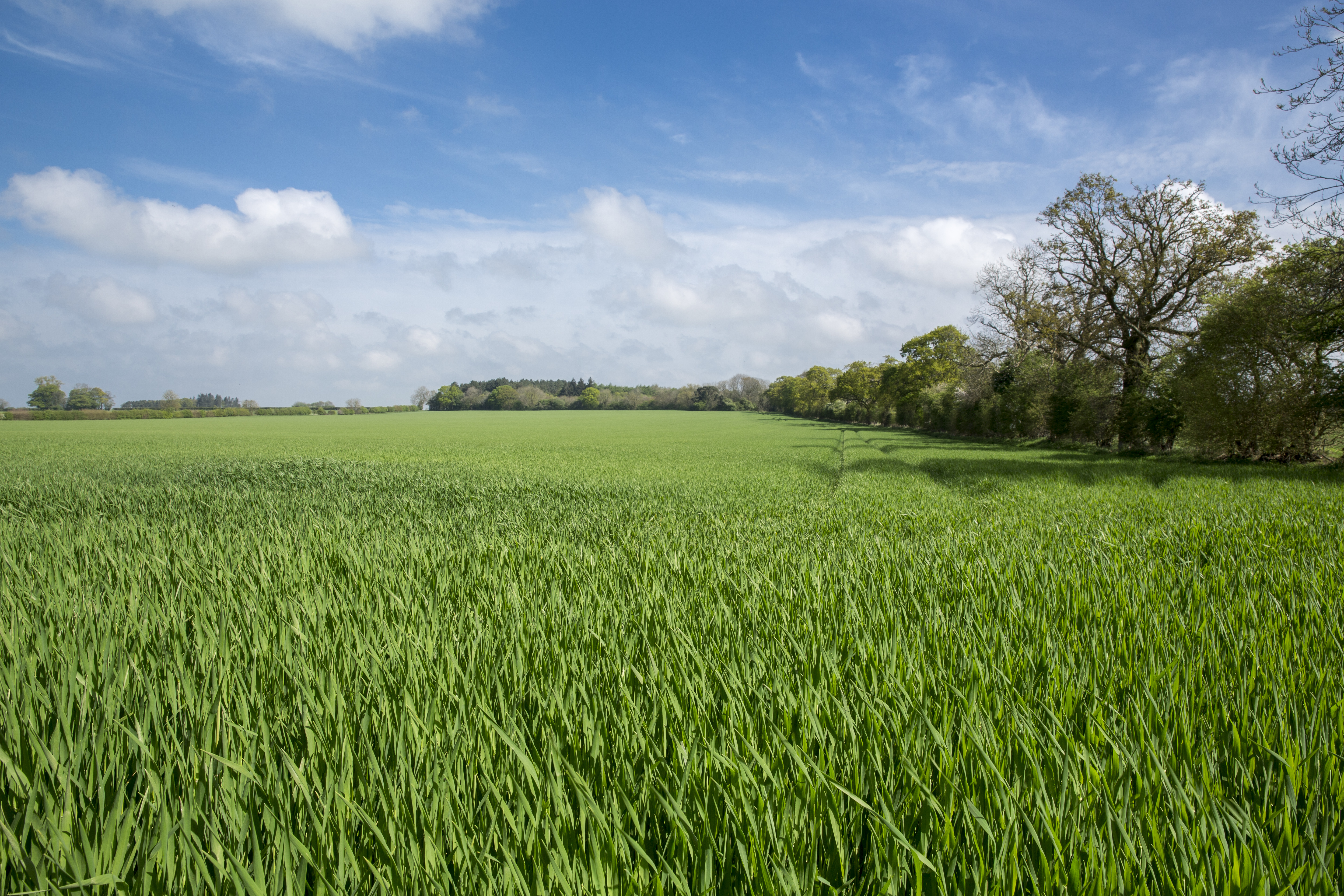
A lot of progress has been made in the Midlands in the past couple of weeks as we head into Easter [at the time of writing]. That’s good news given that perhaps only 25-30% of winter wheat crops were eventually planted in Lincolnshire in the autumn and winter with the never-ending rain.
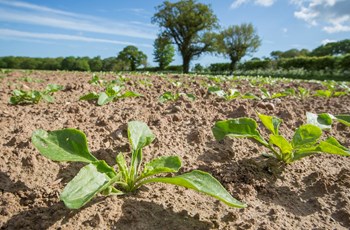
Drilling has motored on with first spring wheat, and then spring barley being drilled with some still going in. Sugar beet is also being drilled, and in some cases already appearing above ground, while potatoes are also being planted.
There has been some talk about fallowing some land, but this good weather might have changed some plans, if growers have been able to get hold of seed.
That’s the good news, but we seem to have gone from very wet to very dry in a matter of weeks. Growers had to work ground, particularly that after root or veg crops to get a decent seedbed, which has dried it out quickly and while there is moisture at depth, some spring barley crops, for example, have been going into dust. That could mean they will be slow to emerge, if they don’t get rain in short order.
Matt’s agronomy advice for the rest of April and early May
1. Think carefully about spend on winter wheat crops
Those lucky enough to have wheat in the ground will be thinking carefully about what is an appropriate spend on those crops. On one hand, without much in the ground nationally, there will be thoughts about maximising returns of what is the number one cash earner on many farms to help with cashflow.
On the other not all of these crops are in great condition – most were later drilled from mid-October onwards because of concerns over black-grass populations – and yield potential will need to be considered when thinking about spend on these crops. That said, backward crops do tend to need looking after, so there is perhaps justification of a higher spend than might be first expected.
Disease pressure is not high currently – lower leaves have Septoria, and there is perhaps more yellow rust than usual. Hopefully where that is an issue a T0 will be being applied around now so going into T1 you’re starting with a clean slate.
In either situation a good all-round fungicide like Ascra or Aviator will be a good choice for T1 – covering all the main diseases, providing dose flexibility at a competitive price. If you’ve got chlorothalonil in the store, then obviously make sure you use it up before 20 May.
2. Beware of variable growth stages
Applying products at the right growth stage is probably more important than product choice in terms of successfully protecting against diseases, and that’s going to be even more tricky than normal this season with variable crops.
In fields where the crop is variable through uneven emergence then it will pay to make a judgement about the growth stage of the majority of the field. In wheat at T1 you should look to apply when leaf three is just fully emerged.
In spring barley growth stages might be even more variable both across fields and farms in general depending on drilling date, seedbed moisture and emergence dates. Crops are also likely to rush through growth stages making careful and regular assessment crucial.
Some poorer spring barley crops may only need one spray, while those with higher yield potential will justify two sprays. Products like Siltra (bixafen + prothioconazole) and Fandango (prothioconazole + fluoxastrobin) are tried and tested against barley diseases, and again give good dose flexibility depending on the situation.
3. True pre-emergence timing for weed control in potatoes
With the loss of diquat following on from losing linuron, there are more changes for potato growers in weed control. Pyraflufen-ethyl and carfentrazone-ethyl are the remaining contact options to replace diquat, but you need to be aware that they need to be used earlier than you could leave diquat.
In terms of a residual partner or as a stand-alone application, our trials have been showing Emerger (aclonifen) + Artist (flufenacet + metribuzin) is a really good option, which works best if you apply it as a true pre-emergence of the crop and weeds. With the soil-sealing characteristics of Emerger that is the best way to get the most from it, alongside paying attention to seedbed quality.