With most crops drilled and the ground still dry underneath, Rachel Banks looks at residual top-ups in winter cereals, the case for a third autumn spray on difficult rye-grass and brome, groundkeeper planning after sugar beet, early maize seed decisions and autumn disease in oilseed rape.
Author
Rachel Banks | 29th October 2026Tags
We Highly Recommend:
Fungicides
Proline 275
A triazolinthione fungicide for the control of stem-base, foliar and ear disease in cereals.
Read moreHerbicides
Proclus®
A highly effective residual herbicide for the control of black grass, Italian rye-grass, brome and other grass weeds and broadleaf weed species. For use in winter wheat and winter barley.
Read moreNovember agronomy insights for Southern England
Most crops are in, but the job isn't finished
By now the majority of crops across the region should be in. There will always be a few stragglers, those following potatoes and sugar beet, and growers in the very dry bits of Suffolk and Essex still holding out for a bit of moisture.
Most should have had at least one pre-emergence herbicide, so this month I want to focus on the rationale for extra passes in the autumn and whether a third spray is worth it. Not forgetting sugar beet groundkeepers, maize seed ordering and disease pressure in oilseed rape.
Grass weeds – topping up chemistry
With the September-drilled crops, we were aiming for a top-up two to three weeks after the pre-emergence, and most will have had it but with warm conditions and the arrival or moisture the focus now is really on what we are seeing emerging as we head towards the winter.
Look at what you've already used and try to alternate modes of action where you can. A lot of land from Kent up to Essex carries high grass weed pressure, especially rye-grass, and there you might want to be considering another pass with an extra autumn herbicide than you normally would.
With more moisture around and temperatures dropping, cinmethylin and the flufenacet or metribuzin options are still very strong. If you want a bit of contact activity on anything that's already emerged, stepping up to a metribuzin-containing product such as Octavian® Met, Cadou® Met or Alternator® Met provides great activity on grass and broadleaf weeds.
A lot of agronomists across the South have put some Proclus® on pre-emergence and are now waiting to apply cinmethylin in November, weather permitting. That's a sound plan, but actually not every field is going to need that level of spend.
If you got good control last year, drilled later and taken out a good flush of weeds already, or have a wider rotation with veg, a strong flufenacet and metribuzin top-up may well be enough. It really will vary farm to farm.
Aphid sprays and lighter top-ups
In the early-drilled crops, you might also be thinking about barley yellow dwarf virus (BYDV). Where there's only a little grass weed pressure, particularly in barley, you can add a small herbicide top-up to your aphicide rather than going for a larger mix.
We now have Proclus® approve in the post-emergence timing at 0.4 L/ha in winter wheat and barley, up to the four-leaf stage and within 1.4 L/ha in total providing, a useful extra herbicide option in winter barley but expectations need to be managed on how much weed control we can achieve in a barley situation. In most wheat scenarios you'll probably want to add a robust dose of a partner product.
A third spray for difficult rye-grass and bromes
Even with the recent rain, the ground a few inches down is still very dry, so we could be travelling quite late this year, and in difficult grass weed situations three autumn sprays can actually be quite a good option.
“If you've got difficult grass weed populations that emerge later, things like bromes and rye-grass that might actually be too big by the time you get back in the spring, that third spray might be a good window of opportunity.”
If your spring mesosulfuron applications usually work well and you don't see much coming through before Christmas, definitely save it for the higher loading in February or March. But if things are already popping up after two residuals, don't forget that autumn window.
Even if you've struggled with contact chemistry before, we often see good control in the autumn when plants are smaller. Atlantis® OD with a residual partner can deal with more than might be expected in the Winter, but you do have to be quite careful with the mix, so check the tank-mix guidance with your local technical manager first.
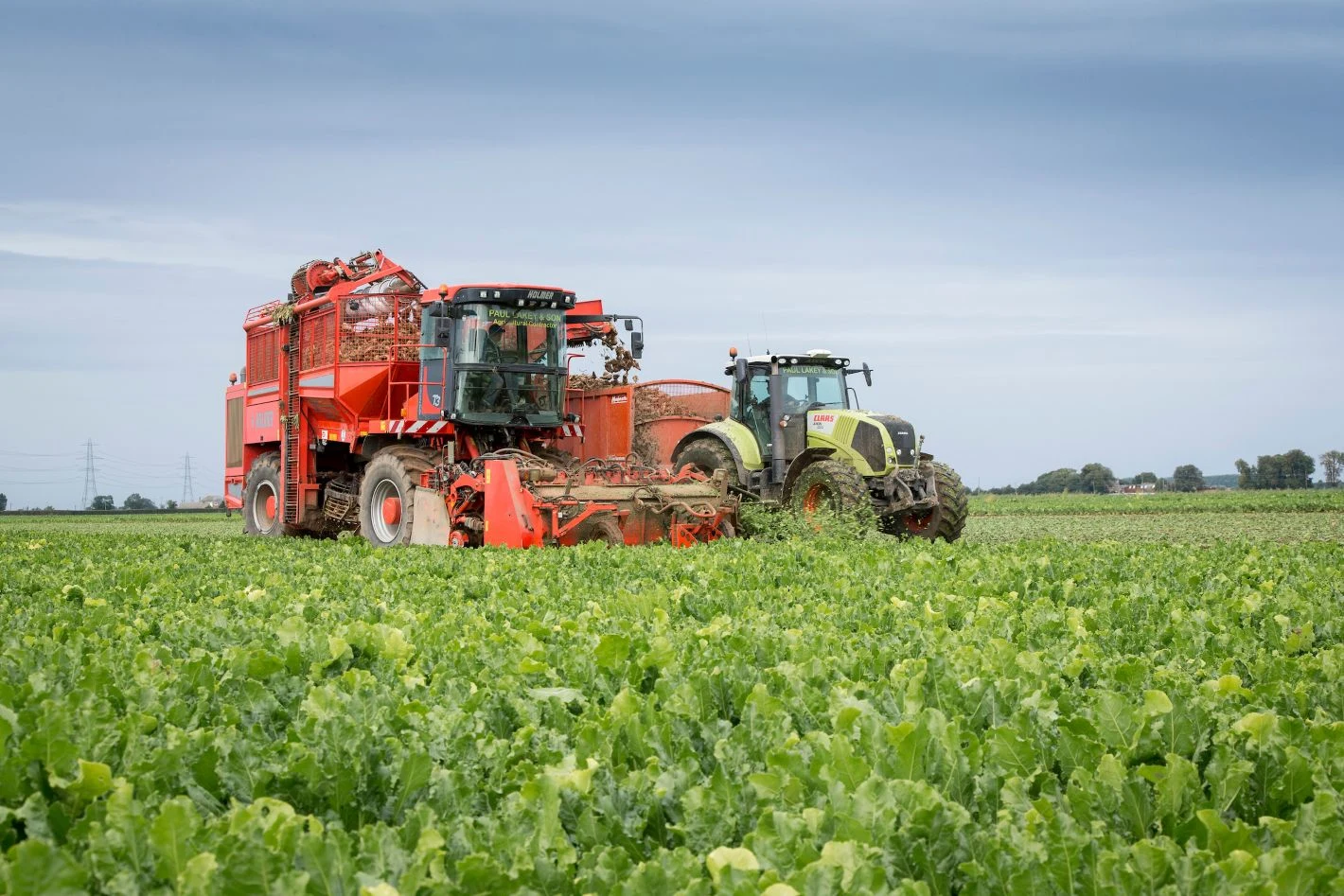
Sugar beet – planning for groundkeepers
For those lifting sugar beet, this time of year can make a massive difference to future crops. If you're growing Conviso® Smart beet, it's really important to keep good records of which fields were Conviso®.
That way, if groundkeepers appear in future years, you'll know to go in with something like a hormone rather than a sulfonylurea (SU). And if the weather turns, lifting can make a real mess of fields, so bear that in mind when planning next spring's weed control.
Maize – check seed availability early
It might feel early to be thinking about maize, but we're hearing reports of seed running short after the drought and heat in France has affected seed crop production. If you have a preferred variety, such as DKC2742, it's worth checking stocks with your seed supplier now. There's a lot of newer material coming through, so if your favourite has gone, talk to someone who knows varieties about what else could fit your system.
Oilseed rape – keeping disease at bay
By November you should know whether you're sticking with a crop or writing it off. Anything you're keeping will probably have had, or be about to have, its propyzamide, which becomes really effective as temperatures drop.
Keep an eye out for foliar diseases as well, as phoma and light leaf spot could be a higher risk in earlier-drilled crops, even if cooler weather arrives and slows disease development.
Prothioconazole covers a wide range of autumn diseases and doesn't restrict what you can use in the spring. “Proline® is very useful in the autumn, suppressing both phoma and light leaf spot infections.” I doubt many crops will need a growth regulator this autumn, but just keep monitoring.
Looking ahead – farm the season in front of you
This time last year was such a different situation, and it's easy to get fixated on last season's notes or feel pressured into doing what your neighbours are doing.
“Work with what you've got and the weather conditions that you have at the time to best control weeds and disease, and that goes for all the crops.” Get that right this autumn, and you'll be in a much better place come the spring.
About Rachel Banks
Rachel Banks is a Technical Manager at Bayer Crop Science, supporting growers and advisers across South Anglia. She takes a practical, farm-by-farm approach to grass weed control, resistance management and autumn disease decisions across cereals, oilseed rape and sugar beet.
Alternator® Met and Octavian® Met contain diflufenican, flufenacet and metribuzin. Atlantis® OD contains mesosulfuron-methyl and iodosulfuron-methyl-sodium. Conviso® One contains foramsulfuron and thiencarbazone-methyl. Proclus® contains aclonifen. Proline®275 contains prothioconazole. Cinmethylin and propyzamide are active substances marketed by other manufacturers. Alternator, Atlantis, Conviso, DEKALB, Octavian, Proclus and Proline are Registered Trademarks of Bayer. All other brand names used are Trademarks of other manufacturers in which proprietary rights may exist. Use plant protection products safely. Always read the label and product information before use. Pay attention to the risk indications and follow the safety precautions on the label. For further information, including contact details, visit www.cropscience.bayer.co.uk or call 0808 1969522. © Bayer CropScience Limited 2026
We Highly Recommend:
Fungicides
Proline 275
A triazolinthione fungicide for the control of stem-base, foliar and ear disease in cereals.
Read moreHerbicides
Proclus®
A highly effective residual herbicide for the control of black grass, Italian rye-grass, brome and other grass weeds and broadleaf weed species. For use in winter wheat and winter barley.
Read more