Pay attention to these five agronomic decisions in August
Sam Harvey picks out five topics for growers to consider during August

Posted 4 years ago
26/07/2022
Sam Harvey picks out five topics for growers to consider during August
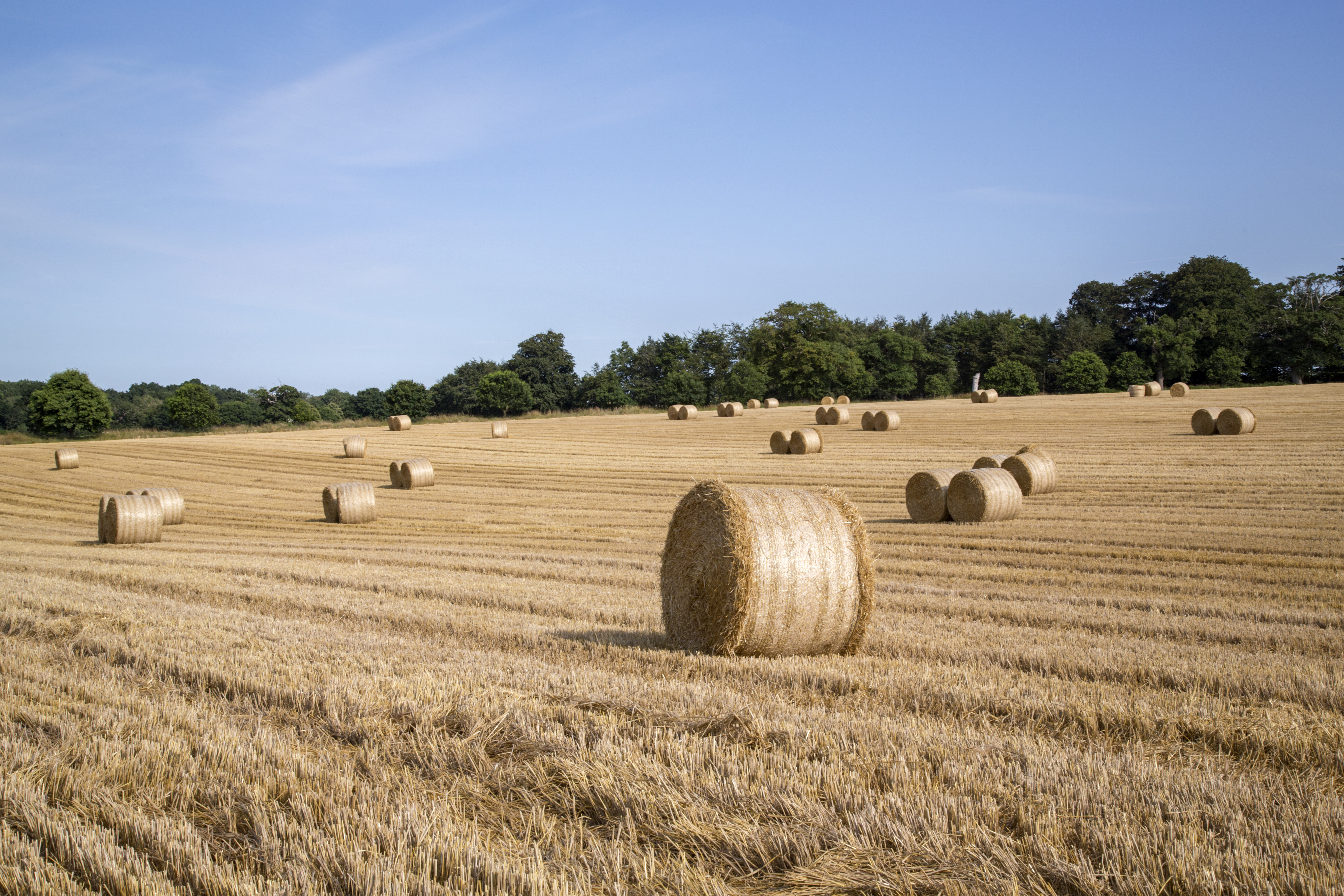
The prolonged dry spring conditions were already leading to crops senescing unusually early, but the temperature in mid-July pushed us into an exceptionally early harvest. That includes wheat being cut in mid-July at 12%, although unfortunately yields reflected that at the time. As this is written it remains to be seen what later crops yield. Winter barley and oilseed rape tended to fare better for yield.
With the hot, dry weather in July the temptation will have been to crack on with primary cultivations but be mindful of enforcing dormancy in certain weed species. For example, oilseed rape stubbles cultivated in the dry may lead to long term volunteer troubles.
That can also be relevant for brome species. For a cultivation strategy it is important to know which species of brome you’re primarily dealing with. If it is soft, meadow or rye brome not cultivating for at least a month is key. With sterile and great brome there is no need to hold off. It does tend to be the soft, meadow or rye species that are becoming more problematic, so know your enemy.
While it remains dry, ideally, I would also do nothing immediately with black-grass and Italian ryegrass as you would lose a number of seeds from drying out and predation. That does need to be balanced with managing logistics and keeping wheels turning before the rain does arrive, because will it stop?
Be flexible with oilseed rape establishment strategy to what the weather does. The last couple of years moisture hasn’t been limiting from late July as a general rule and this has helped get crops beyond two true leaves before late August. As I’m writing this in mid-July it’s difficult to know what rain we will have had, but there’s little point in trying to establish oilseed rape until we’ve had some rain and can see that opportunity.
There are a number of varieties in the Dekalb range to suit most situations. DK Exstar has characteristics that make it a good option as an early driller, but also copes with drilling later into August if that’s what the weather dictates. It provides good early establishment without too rapid development in the autumn, good tolerance to Verticillium wilt, and the usual excellent disease profile of all DK varieties with the double Phoma resistance, a strong light leaf spot score and pod shatter resistance.
All Dekalb varieties this season are part of the Dekalb Establishment Scheme. To be eligible, buy seed from a participating supplier, sow the crop before 20 September and register it online at 30 September. If 6ha blocks or more fail to establish submit a claim by 31 October to be credited £100/bag through your seed supplier.
Climate FieldView is the go-to digital platform to collect harvest data in real-time in one place to help monitor and analyse it for smarter and more informed decisions. For example, while harvesting the current crop of oilseed rape, yields can be viewed in real-time, on your phone across all crops or varieties from wherever you are to help make for timely decisions for home-saving or purchasing next season’s seed, especially if harvesting and drilling overlap.
It’s also the last chance to map weed areas, if they haven’t shelled out, for targeted variable inputs of one sort or another next season, which you can do from FieldView. FieldView is brilliant for making product comparisons or assessing success of variable inputs during the season, which again you’ll monitor and see in real-time.
If you’re interested in trying FieldView, you can sign up for a 365-day free trial here.
As of mid-July there hadn’t been any alerts for Cercospora in sugar beet from BBRO, not surprisingly as although it’s been hot it’s been a dry heat. Fungicide control options for the disease are limited so we are hopeful that a full authorisation for Caligula (fluopyram + prothioconazole) which will bring the SDHI mode of action, should it be granted in time for this season.
If it is approved, it will be a useful option as a third spray against the disease, so keep an eye out on BBRO and Bayer websites for full details during August.
Caligula also provides good control of early blight in potatoes. While I haven’t heard of any reports of Alternaria outside the usual varieties, the hot weather in July will have stressed crops so it will be one to keep an eye on.
For late blight, it’s important to include products that also have tuber blight activity, as well as foliar blight. It’s a place where Infinito (fluopicolide + propamocarb) fits with activity against all known blight strains and targets all parts of the late blight lifecycle. As with all spray applications if the high temperatures return, be careful about timings and as a general rule spray early mornings only.