Use Pacifica Plus to cut seed return

Posted 4 years ago
10/02/2022
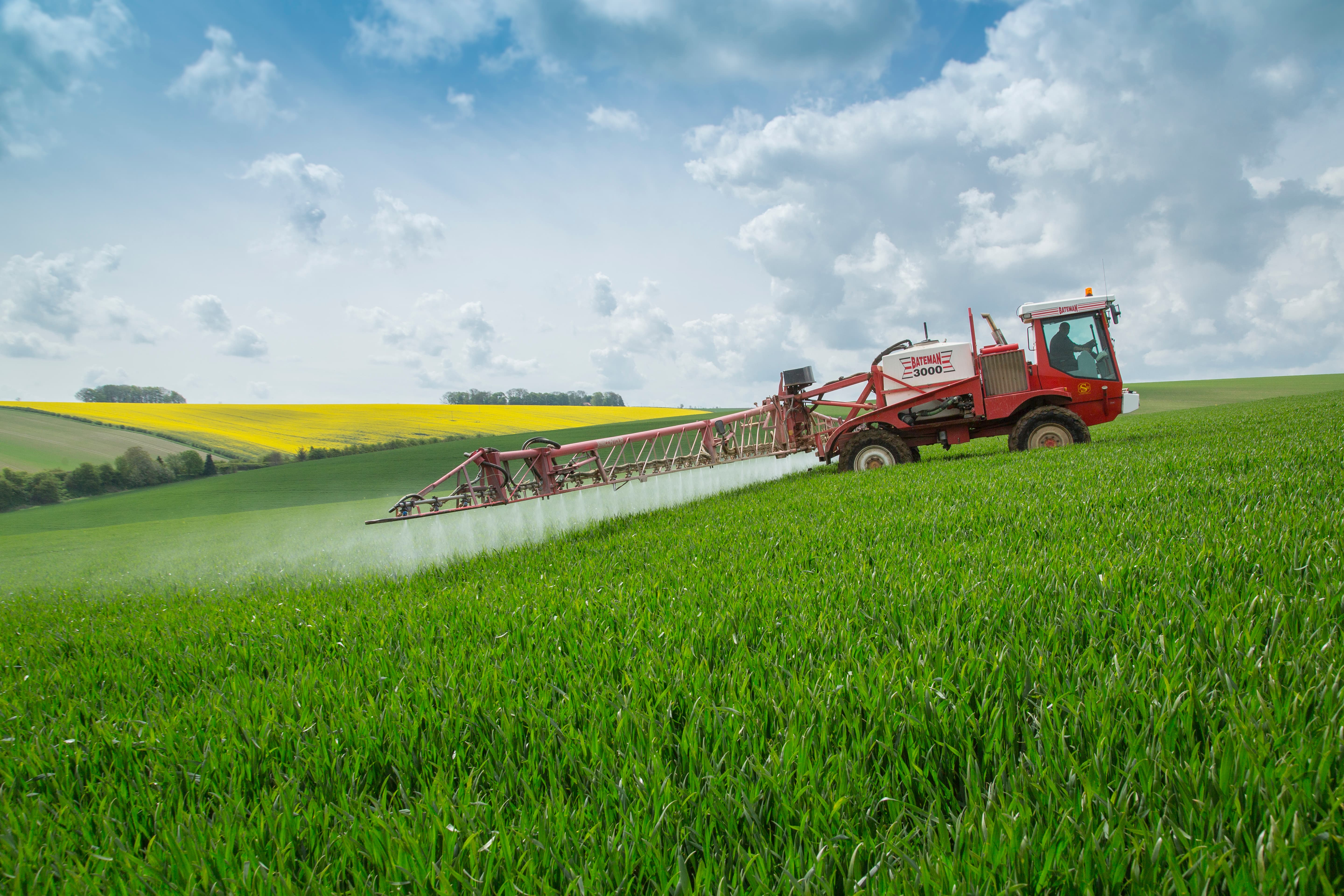
Pacifica Plus is a straightforward single product which controls a range of grass weeds and broad leaf weeds. Cutting plant counts means fewer seeds shed and problems to deal with next season, we look in more detail at the benefits of using Pacifica Plus this spring.
Wheat area is forecast to be slightly above average at 1.8 million ha (Andersons / AHDB) this season. Generally favourable weather during autumn for drilling and herbicide applications means that crops are in good condition heading into winter. Pre-em tank mixes of Liberator (flufenacet + diflufenican) and Proclus (aclonifen) were used on a wider area to control black-grass and Italian ryegrass.
Nevertheless, some weeds will have survived the autumn herbicide programme and need to be controlled in spring. Following up a favourable autumn with robust treatments in spring helps drive down weed numbers and seed return.
Farmers can apply Pacifica Plus from 1 February until GS39 in the crop. It controls grass weeds and many broad-leaf weeds in one application. Since first using it in 2020, Pacifica Plus has become part of the armoury for Oxfordshire Agronomist Sam Clarke. According to Mr Clarke it works very quickly on cleavers, is very effective against brome and the best available on black-grass.
Like other mesosulfuron-based products it needs to be used carefully to manage resistance particularly in black-grass and ryegrass. It still provides reasonable levels of control in populations with metabolic resistance, reducing head counts and the amount of seed return.
Long-term weed management shouldn’t be overlooked. Reducing seed return by any means possible is essential, especially with such a limited range of profitable crops. Spring cropping and diverse break crops will do a great job controlling black-grass, but farm finances often rely on a large area of winter wheat to maximise profitability.
Farmers should maximise the opportunity to control weeds this season to prevent problems in the following crop, especially in tight rotations with lots of winter cropping. Each head of black-grass produces up to 200 seeds; that’s 200 more potential weeds to control next autumn.
With small differences in control leading to large differences in seed return levels, application timing and quality is essential, says Bayer’s Darren Adkins. “Suitable conditions are vital to get the best results from Pacifica Plus.
“Active growth is essential for the black-grass to absorb the active substances to take effect. For black-grass control, applying to small plants generally gives you the best chance of overcoming any kind of metabolic resistance. Apply to a dry or drying leaf with a fine–medium quality spray at 100–200 L/ha. As it is contact acting, avoid windy conditions because the spray has to land, settle and dry on the leaf to be effective.”
(Mesosulfuron + iodosulfuron)
Controls a wide range of grassweeds in winter wheat crops including black-grass, wild oats and ryegrass. Atlantis OD has an oil dispersion formulation which is improves efficacy compared with copy-cat products using a WG – water dispersible granule – formulation. Trials comparing the OD with the WG formulation show a 5% gain in overall control.
Atlantis OD is approved to apply throughout the season, so is the best option if conditions allow a post-em spray during November, December and January.
(Mesosulfuron + iodosulfuron + diflufenican)
Annual meadow-grass control in crops that missed out on a pre-em.