Scotland: 3 key priorities for growers In April / early May
Craig Simpson pulls together his 3 key priorities for growers as field work continues apace in Scotland.
Posted 6 years ago
15/04/2020

Craig Simpson pulls together his 3 key priorities for growers as field work continues apace in Scotland.
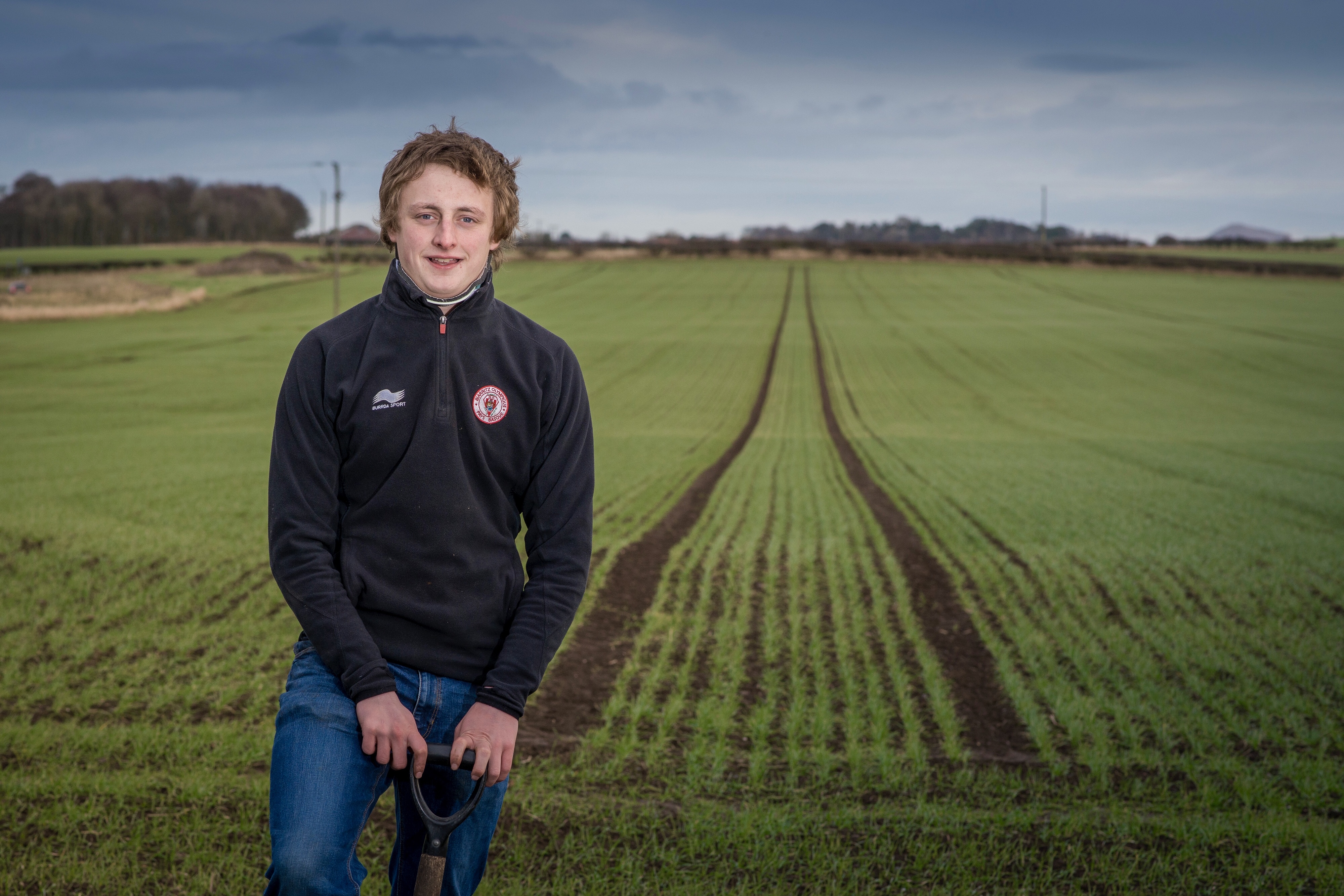
Scotland, unlike lots of the rest of the UK, was less affected by the poor autumn weather, and perhaps 90% of the planned wheat was drilled. It is variable though. Early drilled crops look good, while some of the later drilled crops, which went into poorer seedbeds have a lower potential.
Oilseed rape also generally looks good, again bucking the trend from further south. While I did hear reports of some cabbage stem flea beetle damage, typically the pest isn’t so much of a problem here…yet. So again, these crops have good yield potential and need looking after.
The good weather at the end of March and beginning of April has also allowed much field work to restart, and a lot of spring barley has already been planted, with the last being drilled this week as we head into Easter. The earlier drilled crops are just emerging.
Disease pressure in wheat currently isn’t particularly high. There’s Septoria in the older leaves, particularly as you would expect on varieties with lower resistance ratings to the disease, while I’m hearing of reports of yellow rust in some crops, especially in the coastal regions of the Borders and East Lothian. Where that is a threat, in particular, I expect many growers to be applying a T0 of tebuconazole + chlorothalonil at the time of writing.
As we approach the end of the month the T1 timing comes into view, but with the variability in wheat crops, as ever, timing that accurately to final leaf three emerged will be important to maximising fungicide activity. Make sure you assess fields on a field-by-field basis to determine when to spray, dissecting plants carefully to ascertain whether leaf three has emerged.
With the range of crop potential it is worthwhile growers consider adjusting spend appropriately, but products which cover the wide range of disease threats will be good value. Both Ascra (bixafen + fluopyram + prothioconazole) and Aviator (bixafen + prothioconazole) have good all-round activity and allow some dose flexibility depending on disease pressure.
Where Septoria is the key threat, Ascra at 1.0-1.2 L/ha, will have the edge, but if eyespot threatens the higher loading of prothioconazole in Aviator at 0.8-1.0 L/ha will be an option.
With the cut-off date for applying chlorothalonil of 20 May likely to be before T2 spray timing, especially in spring barley, it will be important to try to minimise stress in barley crops to reduce the risk from Ramularia.
One key way will be to keep on top of other barley diseases. I’ve already been hearing reports of Rhynchosporium creeping into winter barley, along with net blotch and brown rust, so as in spring barley later this month and early May, a T1 of a product like Siltra with its high loading of prothioconazole will be key.
Oilseed rape crops are just starting to flower, so while Sclerotinia hasn’t taken hold in recent years, it can be damaging if conditions for infection are met. There are a number of good online tools to help forecast if it will threaten, which are worth using to assess risk.
Aviator is now available to use as a flowering spray in oilseed rape, and in farmer split-field trials last season gave a yield response over the farm standard in all 10 trials.