North: 3 pointers to looking after crops in the North after Easter
Sean MacGill looks at crop progress in the north of England and gives tips on what to look out for in the next few weeks.

Posted 6 years ago
15/04/2020
Sean MacGill looks at crop progress in the north of England and gives tips on what to look out for in the next few weeks.
Around 60% of the planned winter wheat was eventually planted and survived the winter deluge in the north of England, according to estimates, with around 60% of that drilled before the rain.
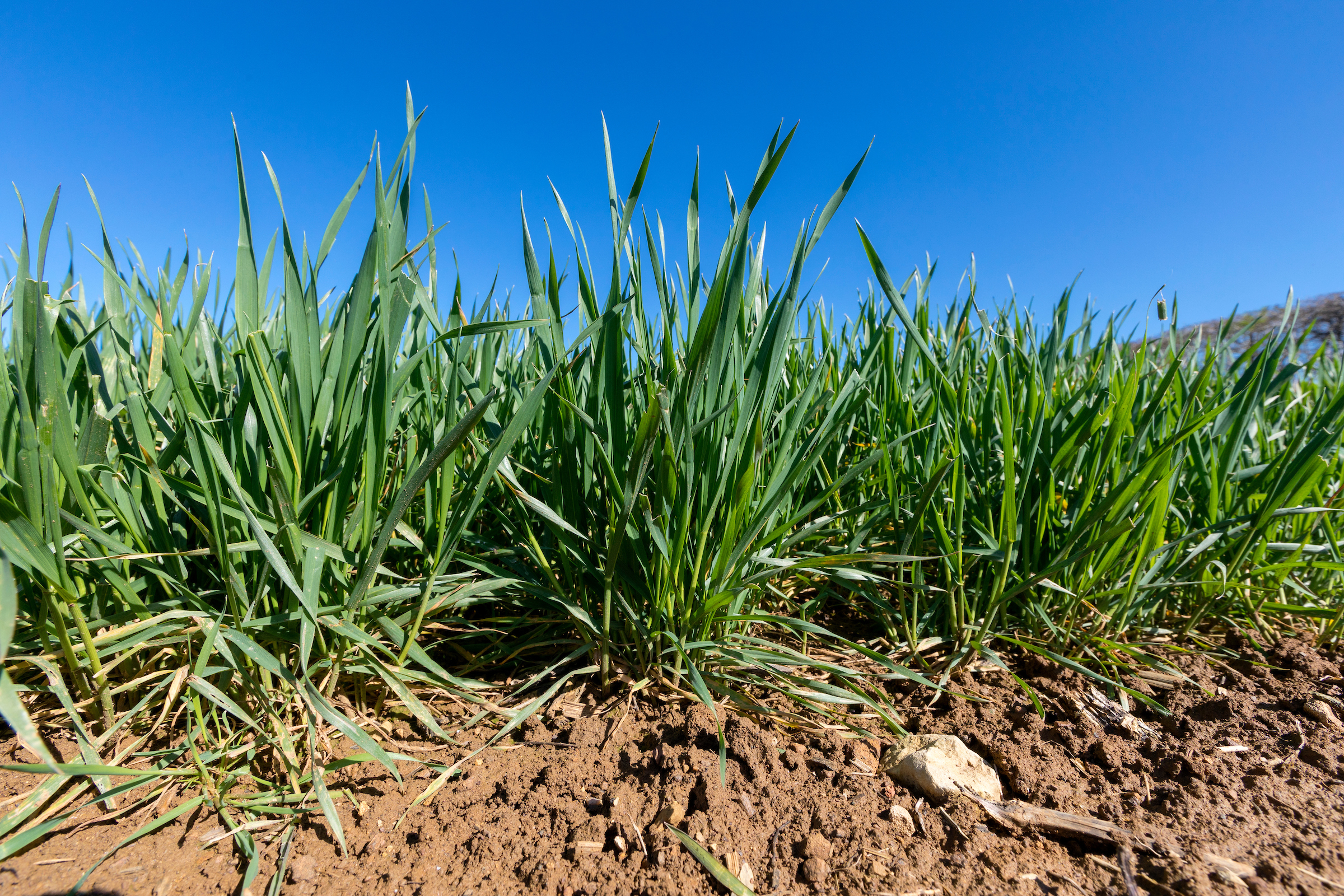
Spring barley is now all in the ground, and just starting to emerge as we come out of the Easter weekend. The earlier drilled crops mostly had a pre-emergence herbicide, while the later ones typically have not, as seedbeds became a bit more lumpy and growers became more concerned about checking the crop and the drier conditions.
Winter barley is mostly at T1 now, with some crops at GS32. Crops are very short, with stunted plants, but Rhynchosporium is easily found.
Oilseed rape is all over the place. Up in the Borders crops on the whole look good, but as you move south into Northumberland they start to fade a bit, and unfortunately further south in the region a lot of crops have been lost. If they weren’t flooded out, then they’ve been hit with pretty much everything else.
The earlier drilled crops – the ones that went in before the rain – typically reached GS30-31 around Easter. They picked up nitrogen and are motoring on. You can find Septoria but it was at low levels at that time, on the lower leaves. More visible is yellow rust. On a recent trip to our trials site at Cawood, 12 out of the 30 winter wheat varieties had yellow rust infections.
It has meant we’ve had quite a lot of calls about grassweed control and T0 fungicides, as using mesosulfuron-based products for annual meadow grass and brome control, such as Pacifica Plus (mesosulfuron-methyl + iodosulfuron-methyl + amidosulfuron), means you need to be careful with fungicide choice. Avoid EC formulations of azole fungicides, and look to use SC formulations or strobilurins to deal with rust if you’re tank-mixing.
At T1, timing is crucial and will justify taking a knife to a plant to dissect to make accurate decisions on timing. You’re looking for leaf 3 being around three-quarters emerged on the main stems. With such a wide array of drilling dates, it’s even more important than usual to get this right as just doing it by calendar date or nodal development is unlikely to be sufficiently accurate.
Aviator (bixafen + prothioconazole) will be a good choice for T1s. With its extra prothioconazole loading it brings good all-round disease control, including stem-based diseases to set up the crop well for T2 sprays.
Some oilseed rape crops, unfortunately, don’t justify any further inputs. Indeed, some would have been ripped out but growers have come to the conclusion that doing so would just be a waste of diesel and steel.
There are some crops though, that have made it through all the challenges which, especially thicker crops in the Tyne Valley northwards, will justify potentially protecting against Sclerotinia and light leaf spot. This season, Aviator (bixafen + prothiconazole) is available to use in the crop, after extremely positive results in grower trials last season.
It’s going to be a year for careful assessment about fungicide spend in spring barley, rather than making a plan at the beginning of the month and sticking to it. A lot will be dependent on the weather and how crops establish. Poorer looking crops may only justify one spray, while others should get two sprays.
If it stays dry, a relatively low rate of Fandango (fluoxastrobin + prothioconazole) might suffice at T1, which should be applied around mid-tillering, while if there is more moisture and disease gets going then Siltra (prothioconazole + bixafen) is a better choice.
The same applies in winter barley for the T2 awns emerging sprays. Carefully assess disease progress and risk, and whether it justifies Fandango or Siltra. If Rhynchosporium is moving, then Siltra is the option. In winter barley, growers should still have time to apply chlorothalonil for Ramularia control before the latest application date on 20 May.
Potato crops have gone into bone-dry conditions, and seedbeds are very cloddy in places. Ridges will need to settle before any sprays are considered, but without diquat, even more emphasis will be on the residual herbicide options.
A new option is Emerger (aclonifen), which our trials suggest is more effective than other options in drier conditions. It also provides good all-round weed control, and has a wide range of potential tank-mix options to cover any gaps.

Oilseed rape fields in Yorkshire like this are unfortunately common

Spring barley emerging (left), potato crop planted on right