Ramularia resistance: Unprecedented shift seen in 2017

Posted 8 years ago
21/03/2018

Recent testing by Scotland’s Rural College (SRUC) identified an “unprecedented” drop in field performance of SDHI and triazole-based fungicides against Ramularia in 2017, reflecting similar findings by Bayer in Germany earlier in the year.
Bayer identified two mutations:
Ramularia resistance to strobilurins has previously been confirmed, so three major fungicide groups now offer limited control in winter and spring barley where resistance is present.
“We saw a slight shift in triazole resistance between 2012, 2015 and 2016 and thought a further decline likely. But such a significant drop in 2017, coupled with a rapid decline in SDHI efficacy is unprecedented,” says SRUC’s Neil Havis. “Work is on-going to identify the mutations responsible.”
SRUC results from Scottish isolates are backed-up by AHDB fungicide performance trials and he expects resistance could be present anywhere in the UK given reports of high disease pressure in 2017.

No resistance has been found to the broad-spectrum fungicide chlorothalonil (CTL), so this is essential for controlling Ramularia. T2 is the key timing.
Previous research suggested a preventative spray before symptoms appear at GS 45-49 is most effective. Dr Havis reminds growers many CTL-based products must be applied before flowering starts.
Although the dramatic resistance development presents challenges for Ramularia control, sensitive populations are still present in the UK, so not all crops will be affected, says Bayer’s cereal fungicide campaign manager Will Charlton.
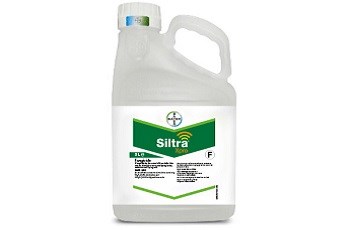
Products like Siltra remain effective where there is no resistance, although should be used with CTL for resistance management.
Even trials under very high disease pressure last year in Suffolk found a two-spray programme of Siltra without CTL still delivered 50-60% Ramularia control, although by adding CTL this increased to 90%. Bixafen also aids greening, which improves crop health, he adds.
Mr Charlton and Dr Havis say triazoles and SDHIs remain effective against other major barley diseases, notably Rhynchosporium, rusts, net blotch and mildew, so the chemistry has a valuable role even where Ramularia resistance is present.
“Rhynchosporium is the main yield-robbing pathogen in barley, and prothioconazole and bixafen remain the most effective active ingredients for control,” says Dr Havis.
“The disease appears more stable and doesn’t have the capability for rapid mutation that Ramularia does.”
Optimum spray timings for other diseases depend on disease pressure, but Mr Charlton advises growers to keep spray intervals tight when applying two sprays. Net blotch in particular cycles quickly and can re-infect crops where the gap exceeds three weeks.
Varietal resistance reduces Ramularia pressure in high-risk situations, but Dr Havis says no variety offers complete protection.
End user requirements often make it difficult for growers to switch varieties, he adds.
Seed infection heightens Ramularia risk, so avoid using home-saved seed from heavily infected crops. However, environmental factors dictate disease severity; once plants are infected the fungus needs free moisture to develop. Very dry conditions therefore reduce disease development.
If you have any questions, please contact your local CTM or Tweet @Bayer4CropsUK.
Want more advice and inspiration from experts at the forefront of farming? Sign up to our email newsletter using the button below to get smart farming tips straight in your inbox.