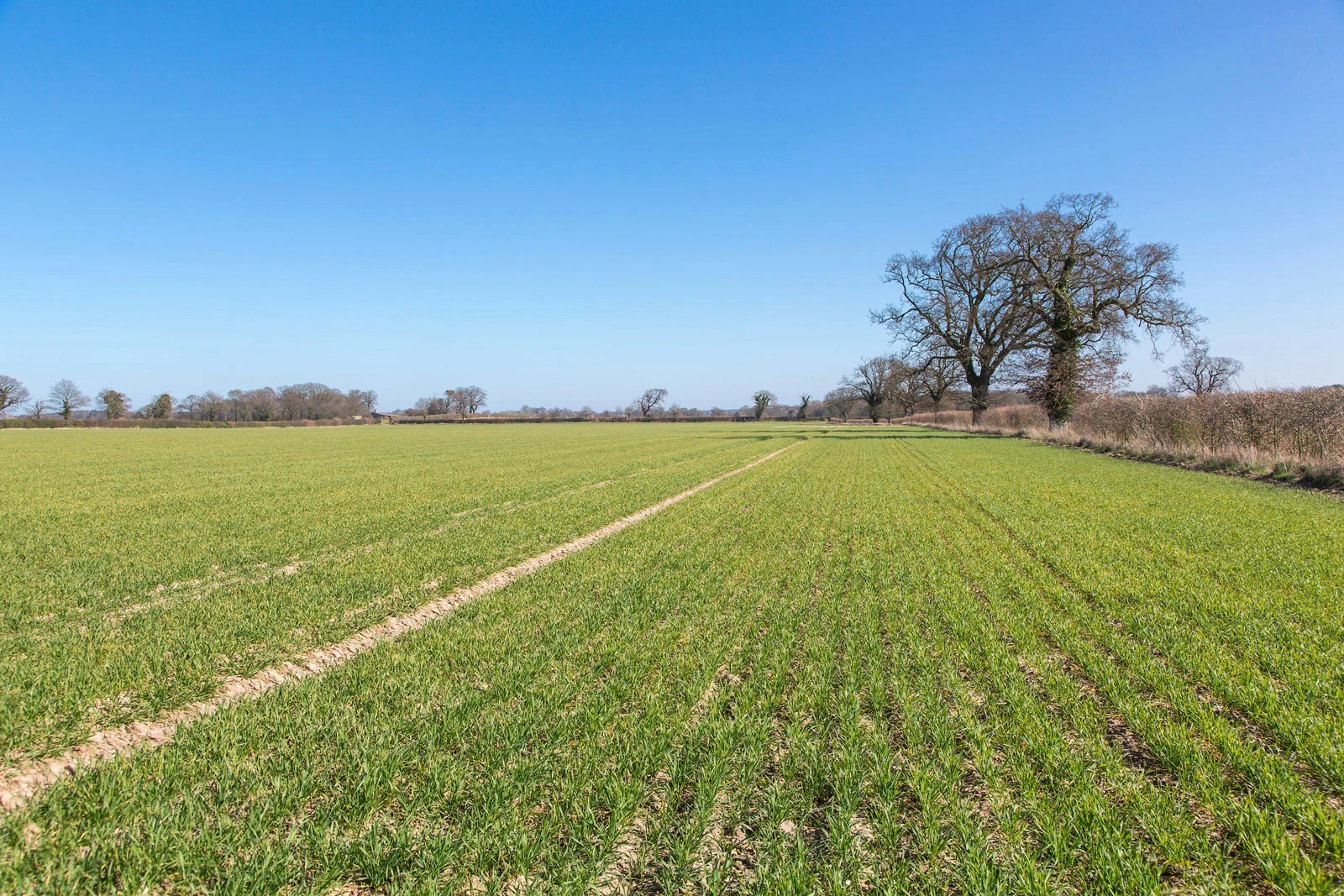
Emily Harrod discusses key agronomy decisions for March in East Anglia
Author
Emily Harrod | 29th February 2024Tags
We Highly Recommend:
Herbicides
Atlantis Star
A highly-effective herbicide for control of grass-weeds and broad-leaf weeds in winter wheat. Atlantis Star is a coformulation of three ALS-Inhibitors (HRAC Group 2) with foliar and some root activity
Read moreFungicides
AscraXpro
Ascra® is a unique formulation of two SDHI fungicides – bixafen and fluopyram – and the broad-spectrum azole fungicide prothioconazole.
Read moreInsecticides
Velum Prime
Velum Prime is a nematicide for use in potato and carrot crops. It is a liquid formulation and has no statutory harvest interval.
Read moreAdvice on key crop agronomy decisions in East Anglia this March
Crop Progress
Norfolk hasn’t fared too badly compared with other areas in the country with the weather. Crops in parts of Suffolk, for example, as well as Lincolnshire have suffered in the deluge much more.
There was a window in late January into early February for some more wheat drilling, and some of that appears to have gone in better than crops drilled in November, although the mid-February rain will likely have left growers nervous about its impact.
Oilseed rape area is down in the region but a reasonable percentage of what is left is, dare I say it, actually thriving even in some of the wetter spots. Cabbage stem flea beetle larvae are around though, but hopefully the crop continues to outgrow any damage. March will be a key month to determine the eventual outcome.
Overall, it’s looking like crops will require a significant amount of managing with variable growth stages and conditions this spring.
Emily’s agronomy tips for March
1. Assess weed control needs
There are so many different scenarios farmers are facing for weed control in wheat crops. The main concern are the crops that have had no herbicides, whether that’s drilled in the main drilling window or more recently, but it will also be important to finish off weed control programmes in fields where residuals were applied.
The obvious advice is to assess fields for weed presence and size, while also being mindful of the condition of the crop. A lot of herbicides can knock the crop, especially if it is stressed when spraying, so that needs to be considered as well.
Once into March that opens the full range of possibilities for mesosulfuron-based products, including the use of the maximum 0.5 kg/ha rate of Pacifica Plus (mesosulfuron + iodosulfuron + amidosulfuron), which delivers 15g/ha of mesosulfuron, where you are targeting brome species.
There’s also the option of Atlantis Star (mesosulfuron + iodosulfuron + thiencarbazone) which will deliver that same 15g/ha of mesosulfuron but can also target black-grass and Italian ryegrass.
I’d be cautious, given the state of crops currently, about adding in residuals as that potentially adds to the crop safety risks, but if there is a lot of bare soil and chance of further germination it can be considered. Just read labels carefully as there are differences between mesosulfuron products about which ones you can use.
2. Should crops receive a T0 fungicide this season?
There’s likely to be a great deal of discussion around whether to apply T0 fungicides to crops this season.
In winter barley, it has been a question being asked a little more in recent seasons, although it is not being done as standard. There have been some trials showing that it can be a benefit.
I don’t think you need to apply one as a matter of course, but, for example, if you have a high-risk mildew variety it could pay to get that sorted before T1.
The same applies in wheat. Yellow rust is the disease to most look out for, and it can be a problem in later drilled crops. Monitor high risk crops and varieties, and consider using tebuconazole as appropriate, because it can easily get out of control and become a problem through the season.
Timing is going to be a challenge with fungicide programmes this season because of the variation in drilling dates and growth. It’s going to require regular crop walking and dissection of plants – don’t rely on calendar dates this season.
3. Advice for winter barley T1s
The T1 spray (GS30/31) in winter barley crops as ever will be important this season, and even more so in those crops where tiller production has been a bit more marginal with the weather. Yield in winter barley is determined by the number of tillers so controlling diseases to reduce the chance of tiller abortion will be crucial.
There’s going to be conversations about what to spend on poorer looking crops, with an understandable desire to spend less, but you also need to aware of the disease risk as well and if you’re not providing adequate protection, you’re potentially going to reduce yield potential even further.
A product such as Ascra (bixafen + fluopyram + prothioconazole) with its all-round disease control covering net blotch, Rhynchosporium, brown rust and mildew at T1 will be a good choice in most situations. It has performed well in AHDB fungicide performance trials, and typically should be used at 0.9 L/ha. Rates can be lowered to 0.7 L/ha depending on target and risk level.
4. Is it worth investing in oilseed rape crops?
Again, there will be a temptation to minimise investment in break crops this season, and in reality many growers will have held off investing in oilseed rape until they know whether it will be a viable crop.
March is breaking point for those decisions in most cases, so where the decision is made that the crop is worth harvesting, it should be protected. Light leaf spot will be important to monitor for in March – it’s when historically crops show infections and we’ve had conditions that could be conducive.
As crops approach green bud and early flowering later in March protecting against Sclerotinia should also be considered, with using different modes of action helpful in increasing efficacy and reducing the risk of resistance development.
5. Considerations about sugar beet drilling dates
As I write this in February it’s unknown whether the derogation to use neonicotioid seed treatments in sugar beet will be granted, although given how mild the weather has been in general it’s probably looking more likely the derogation will be allowed.
Regardless those who opted to have it applied will be delayed in drilling as seed deliveries are pushed back while waiting for the decision. The positive aspect is that gives more time to spray off stubbles and cover crops with Roundup (glyphosate) pre-drilling – hopefully some of the covers in particular have already been sprayed off as ideally, you’d like that to happen around 4-6 weeks before drilling. But it has been difficult to do this season.
There is the possibility of applying glyphosate pre-emergence of the crop if necessary, perhaps to clean up any remaining weeds. It’s not ideal but can help with established weeds – the application timing needs to be spot on though.
Later drilling will also help with reducing bolters. If you are using a Conviso herbicide tolerant this season, be careful with drilling dates to avoid bolters as much as possible, and if there are any make sure they are hand-pulled later in the season.
6. Thoughts on blight control and PCN in potatoes
A main topic of conversation around potatoes, apart from the weather concerns, has been blight programmes. Researchers in Denmark have found blight strains with resistance to CAA fungicides, which include products such as Revus (mandipropamid). Those strains haven’t been found in the UK fortunately as yet, but combined with the news of the revocation of mancozeb in the UK, there’s been some nervousness around blight programmes.
One piece of good news is Bayer hopefully will have a new blight fungicide available next season, approval permitting, but for this season the advice will remain to plan ahead as it easy with complicated labels with sequence restrictions or maximum numbers of applications for you to get yourself into a muddle.
Looking closer to the start of the season, Velum Prime (fluopyram) remains a nematicide option. Trials over the past two years with The Potato Partnership have looked at application methods, with 2022 showing notable differences and last year less so. Perhaps fortunately as we haven’t seen any consistent difference between overall application and incorporate or applying in-furrow, this means you can continue to use the method most appropriate to your system.
We Highly Recommend:
Herbicides
Atlantis Star
A highly-effective herbicide for control of grass-weeds and broad-leaf weeds in winter wheat. Atlantis Star is a coformulation of three ALS-Inhibitors (HRAC Group 2) with foliar and some root activity
Read moreFungicides
AscraXpro
Ascra® is a unique formulation of two SDHI fungicides – bixafen and fluopyram – and the broad-spectrum azole fungicide prothioconazole.
Read moreInsecticides
Velum Prime
Velum Prime is a nematicide for use in potato and carrot crops. It is a liquid formulation and has no statutory harvest interval.
Read more