The case for stale seedbeds in Scotland
Grant Reid looks at why stale seedbeds are an important management tool and assess potato blight pressure in August
Posted 4 years ago
25/07/2022
Grant Reid looks at why stale seedbeds are an important management tool and assess potato blight pressure in August
Harvest had just started as this is written in mid-July in Scotland with some winter barley being cut. The weather had been very catchy though, so it hasn’t been a ideal start.
Crops generally look promising, although the weather in June and early July ripened winter barley very quickly and they’ve reached harvest sooner than perhaps usual.
The poor weather has also brought lodging problems including in wheat, which we haven’t seen for a number of years.
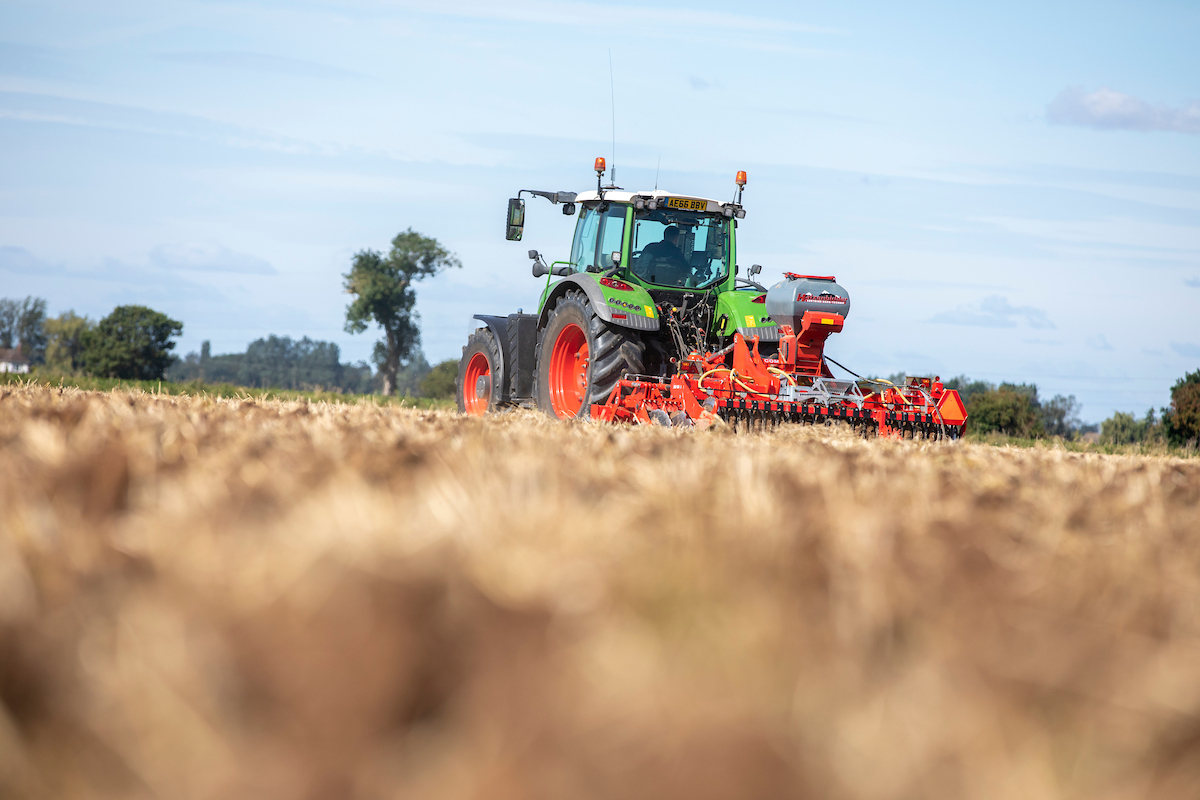
If time allows ahead of oilseed rape establishment, it’s worth seeing if you can get a stale seedbed to get rid of as many potential volunteers and any other weeds as you can. It doesn’t have to be deep cultivations, unless obviously you’re ploughing for the oilseed rape crop, but a little bit of reduced tillage as soon after harvest as possible to create a stale seedbed can reduce the pressure from volunteer barley. These can be taken out either with another tickle of the surface or spraying off with Roundup (glyphosate).
The key things for successful establishment of oilseed rape is to drill in good conditions, looking for good seed to soil contact. If you’re ploughing, obviously, you’re looking for a good, firm even surface, if it’s direct drilling avoid going when too wet because you could end up smearing the slot and creating a highway for slugs.
If you’re planning to use a pre-emergence herbicide avoid applying the herbicide 48 hours before any heavy rain is forecast, but also bear in mind at this time of year it will probably emerge fairly sharpish.
Dekalb has plenty of different varieties available in its portfolio to cover all the various agronomy challenges you might face from clubroot to needing Clearfield herbicide tolerance or good disease and pod shatter resistance. All Dekalb varieties are available with the added benefit of the Dekalb Establishment Guarantee scheme.
Just as with oilseed rape, using the time between harvest and drilling of following crops to remove previous crops’ volunteers is important. There isn’t a huge amount you can do to remove barley volunteers from wheat, for example.
Rye is another one that is difficult – if you’re growing it for anaerobic digestion plants or as a green crop, the its worth tickling the surface after harvest to get a chit. Once germinated working the ground on a warm day or a dry drying day when there’s a good wind should kill the volunteers or again glyphosate will do equally a good job. Stale seedbeds can also help with perennial weeds, although pre-harvest Roundup should have taken care of them.
I wasn’t aware of any blight outbreaks in Scotland during the first half of July but the recent warmer, muggy days and rain will have made conditions more favourable for blight. That will mean keeping intervals to seven days, as much as possible, and using a decent mix of products.
In August, tuber blight becomes an equally important consideration as foliar blight. Options are more limited for tuber blight control with only three modes of action available, with one, fluazinam, affected by insensitivity. That leaves either the quinone inside inhibitors (QiIs) such as Ranman Top (cyazofamid) or the pyridinylmethyl-benzamide group containing fluopicolide, which is in Infinito (fluopicolide + propamocarb) as the key options. Programmes including these need careful planning with limits on the number of applications of Infinito and not being able to use QiIs consecutively for resistance management reasons.


