How crops will benefit from these agronomic actions in August
Matt Siggs looks at options for establishing oilseed rape, managing stubbles and blight protection for growers in the south.

Posted 4 years ago
26/07/2022
Matt Siggs looks at options for establishing oilseed rape, managing stubbles and blight protection for growers in the south.
Growers in the south west have made a good start to harvest with the dry weather in July meaning there was little need to dry crops, a big bonus with current fuel costs. Hopefully that will continue through harvest in August.
I’ve heard reports of winter barley yields 6.25-7.5 t/ha for malting quality crops, but while there had been oilseed rape cut in the region by mid-July, so far, I haven’t heard any yields.
Crops in general, appear to have been in good fettle, although wheat was starting go off faster in July in the heat than ideal.
Everyone has been hanging on to see what moisture is going to be available in oilseed rape seedbeds, after the hot period in July. Whether any rain has fallen between when this was written in mid-July and being read will determine whether there is any point in drilling oilseed rape in early August. It’s shaping up to be a challenging period for growers.
In the past couple of years, we’ve had wetter periods around harvest, which has helped early crops establish well. But there’s no point drilling oilseed rape into dust, as we know oilseed rape needs moisture to get it going.
If it has remained dry, if you can I would delay drilling until we have had some moisture, or significant rain is due. Early vigour from hybrid varieties, such as those in the DK stable will be important, if drilling is delayed, to get crops away from cabbage stem flea beetle. Ideally it will have a steady growth habit during autumn so it’s not up at your waist in December.
All DK varieties have double Phoma resistance and pod shatter traits as standard.
With little ability to control peach-potato aphids transmitting turnip yellow virus, in-built varietal resistance to TuYV is another trait growers might be looking for. It’s also worth considering growing oilseed rape away from other hosts for the aphid such as potatoes and fodder beet.
Clearfield varieties, as well as being useful if you have difficult to control weeds such as charlock, can also be helpful if you’re growing oilseed rape with companion crops. Clearfield chemistry can then be used to take out the companion crop when required rather than relying on frosts, which don’t always come in the southwest.
This year, all DK varieties are part of the Dekalb establishment scheme. To be eligible, buy your seed from a participating seed supplier, sow it by 20 September, register by 30 September and then if your crop fails, make a claim by 31 October. After validation, growers will be credited with £100/bag by the seed supplier.
A shallow light cultivation with either disc or tine, or with a straw rake, will potentially help grass weed seeds germinate, although like oilseed rape seed moisture is still important.
The exception to cultivating is where meadow, soft or rye bromes are the target weed, which need leaving on the surface to ripen for a month before cultivating to encourage a chit.
Once enough grass weed reaches the 2-3 leaf stage consider spraying off. Ensure you use a dose of glyphosate appropriate to the target weed. We’re finding where growers are not getting excellent control with Roundup that often it is where the weed was too big for the chosen dose.
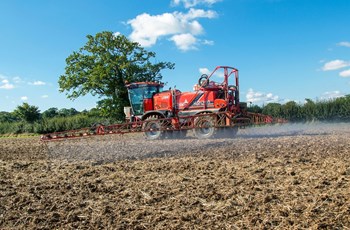
Good application is also key – focus on the correct boom height (50cm above target), forward speed (10-12kph) and nozzle choice. It can be tempting to just get the job done, but it’s important to maximise these applications.
If two applications are required, make sure you remove any survivors between applications with some light cultivation, and apply the second spray as close to drilling as possible.
An alternative approach for some will be to plant either a catch crop before an autumn cereal or an overwintered cover crop. Again soil moisture will be crucial for their success, but one benefit of doing a multi-species mix is that hopefully some species will germinate and establish. That said, getting a spade out and assessing moisture is good practice – if there is nothing in the top few inches you’re probably better waiting for rain.
Some of the early potato crops in the south west have already been lifted, but for ware growers the focus in August switches to include tuber blight control as well as foliar blight.
That makes Infinito (propamocarb + fluopicolide) a good choice at this stage as it has activity on the zoospores that move down the soil profile and infect tubers, as well as excellent foliar blight control.
It has an alternative mode of action to fluazinam, to which resistance has built up, but for resistance management no more than two consecutive applications should be made. A total of four applications are available within a programme.
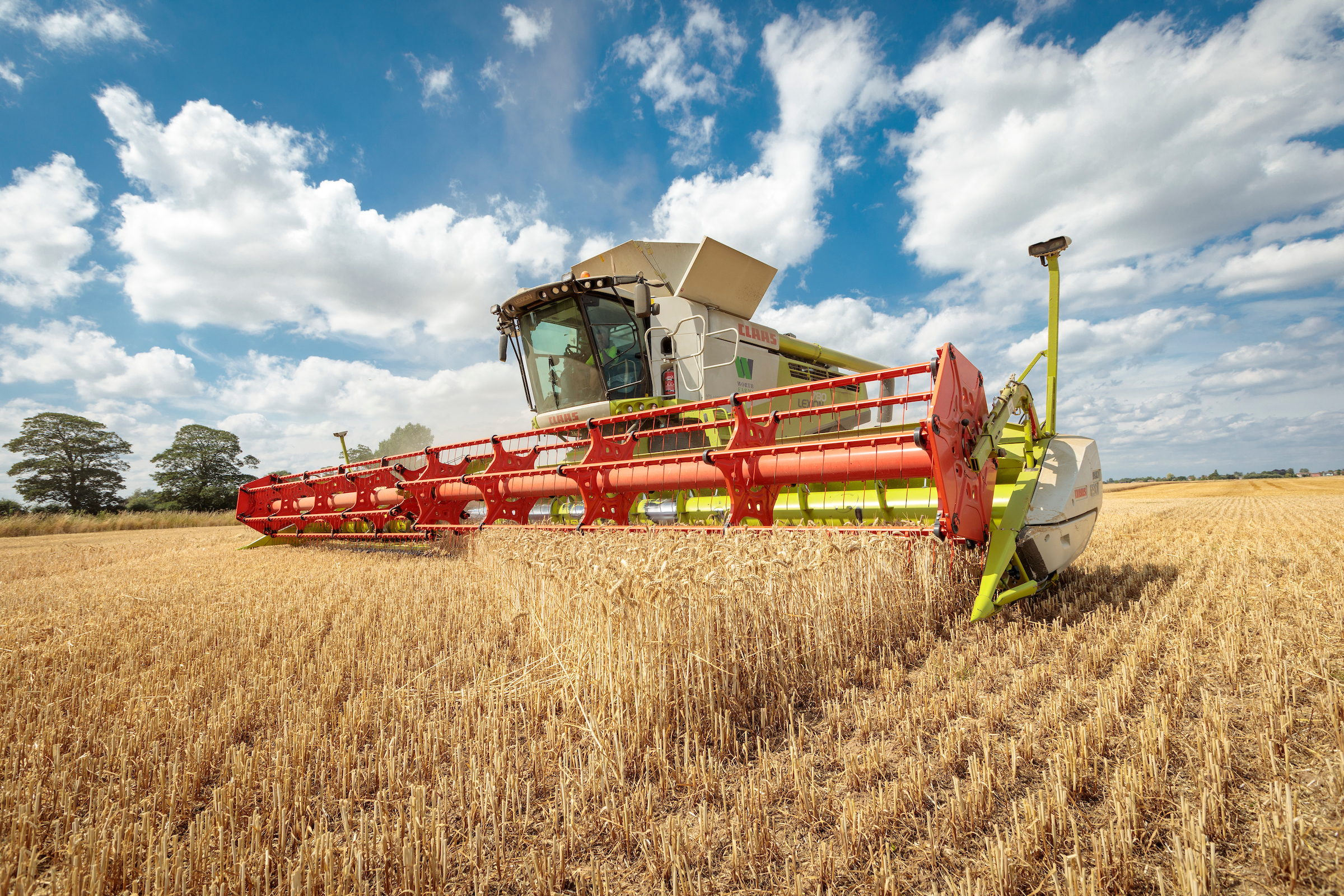
Our digital platform, FieldView gives real-time updates from the combine in an easy-to-use app, rather than needing to download data to a usb stick. This makes it far quicker to analyse field performance and assess whether changes in management are required, such as cultivation strategy, rotation choice or adding organic matter.
It also helps farm managers know where a combine is in a field, how harvest is progressing and to help plan logistics.
For any growers with older combines without yield mapping capabilities, we have a kit that can be retrofitted to any combine make, model or age to give real-time yield and moisture content data.
Autumn vegetables, such as cauliflowers, are being transplanted and by August the four-to-five-week protection from pests, such as mealy cabbage aphids will have waned. Monitor crops carefully during August and if required apply Movento (spirotetramat) to control such sucking pests.
Due to its mode of action rapid knockdown of pests should not be expected, with obvious control after 3-7 days. Apply as soon as pests appear in the crop.