10 Tips for Getting the Most out of Pre-emergence Herbicides

Posted 5 years ago
21/09/2021
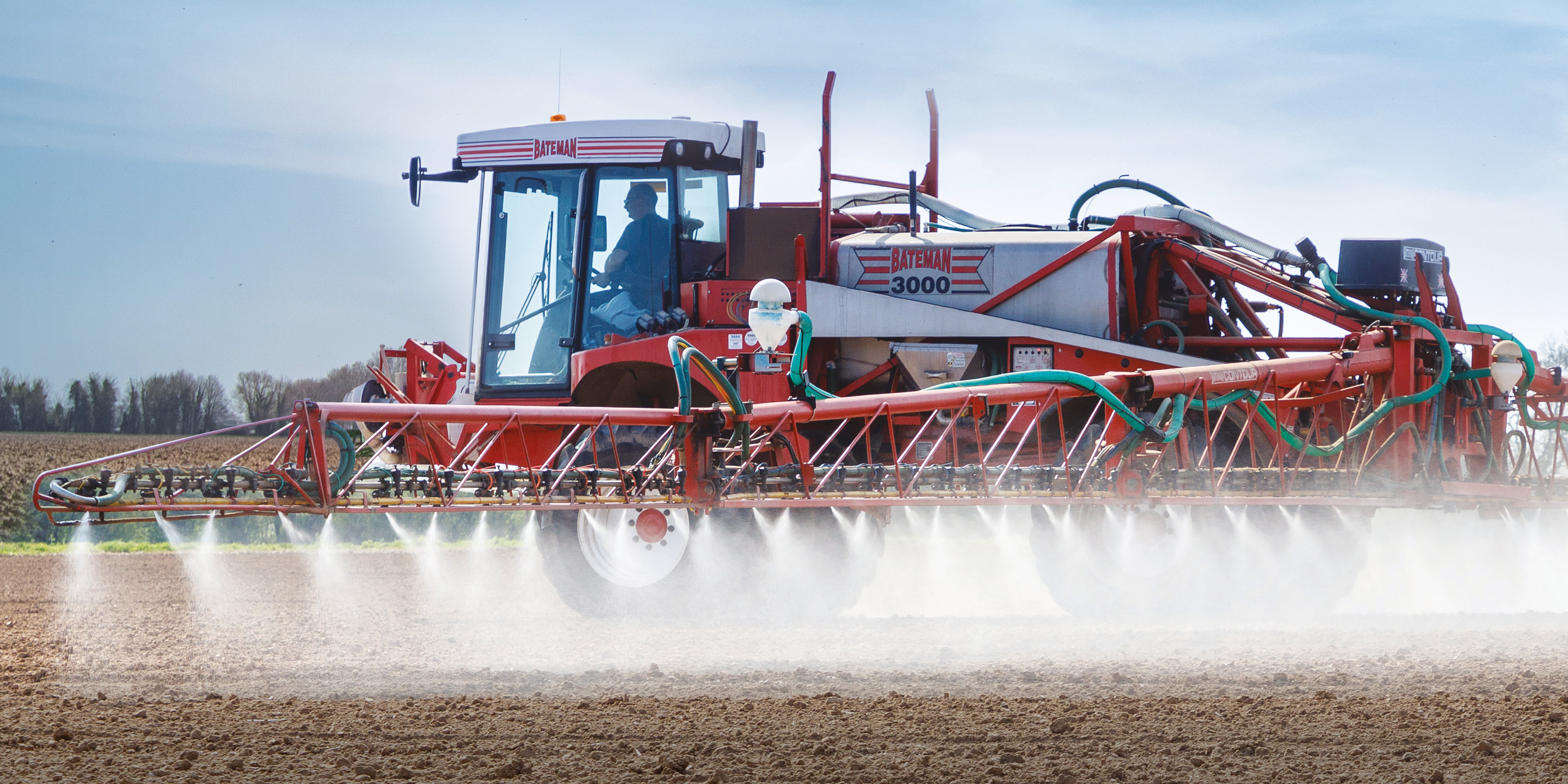
Pre-emergence herbicides, such as Liberator and Proclus, prevent the completion of seed germination and eliminate weeds at the early stages. Here are 10 tips for getting the most out of pre-emergence herbicides this autumn 2021.
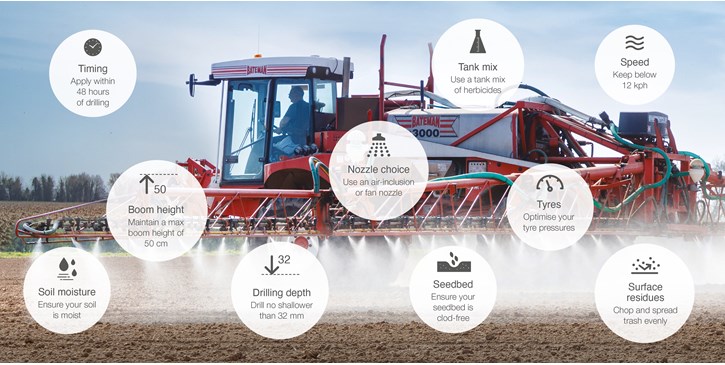 |
Pre-emergence herbicides should be applied within 48 hours of drilling for optimum control of black-grass. Immediately after drilling, weeds can begin to germinate, so a prompt pre-em will prevent roots and shoots growing past the layer of control from the herbicide.
Residual herbicides need moisture to work effectively. In dry conditions, it’s usually better to postpone drilling until there is moisture, rather than apply a pre-em to dry soil.
Select your products according to weed species and resistance status, using a range of actives for resistance management. Water volumes of 200 L/ha are usually more effective at ensuring good surface coverage.
This will help to reduce turbulence, improve boom stability and ensure better coverage.
To ensure even coverage of the soil surface, both air-inclusion and fan nozzles do the job well. Alternate front/back facing nozzles can also help to improve coverage.
By optimising pressures for field conditions, this will help to improve boom stability.
Excessive trash can prevent pre-ems from penetrating soil, so it’s best to chop and spread trash evenly (and incorporate if necessary).
A fine surface allows more even coverage and ensures weeds come into contact with the herbicide.
This will help to ensure optimum surface coverage and application rate.
Drilling should be no shallower than 32mm to keep wheat and barley seeds away from the zone of residual herbicide activity.
Moisture is required for the chemical to move through the soil to the weed germination zone, which then creates a layer of protection up to 20mm deep. Moisture also stimulates weed germination; weeds take in the residual herbicide as they germinate within or grow through the protected layer.
If you have any questions, please contact your local CTM or Tweet @Bayer4CropsUK.