5 actions to consider when controlling weeds in wheat crops this spring
Weed control in spring 2020 is set to be a real challenge following one of the worst autumns for wheat many people can remember.

Posted 6 years ago
16/01/2020
Weed control in spring 2020 is set to be a real challenge following one of the worst autumns for wheat many people can remember.
Some crops didn’t get drilled at all so the wheat area is far lower than ideal. Added to that many crops are suffering from poor establishment due to wet ground conditions. To cap things off, autumn residual herbicide programmes were often delayed or not applied further increasing the danger from weeds.
But with the wheat area very low, looking after and maximising the yield of any wheat that was drilled is the priority. Here are five tips to help plan the spring weed control programme.
Walk crops and check the crop condition and level of control from any pre-emergence herbicides and plan what spring herbicides are needed. Because of the low wheat area, even quite poorly established crops are probably worth salvaging whereas, in previous seasons they would be candidates to be sprayed off and redrilled
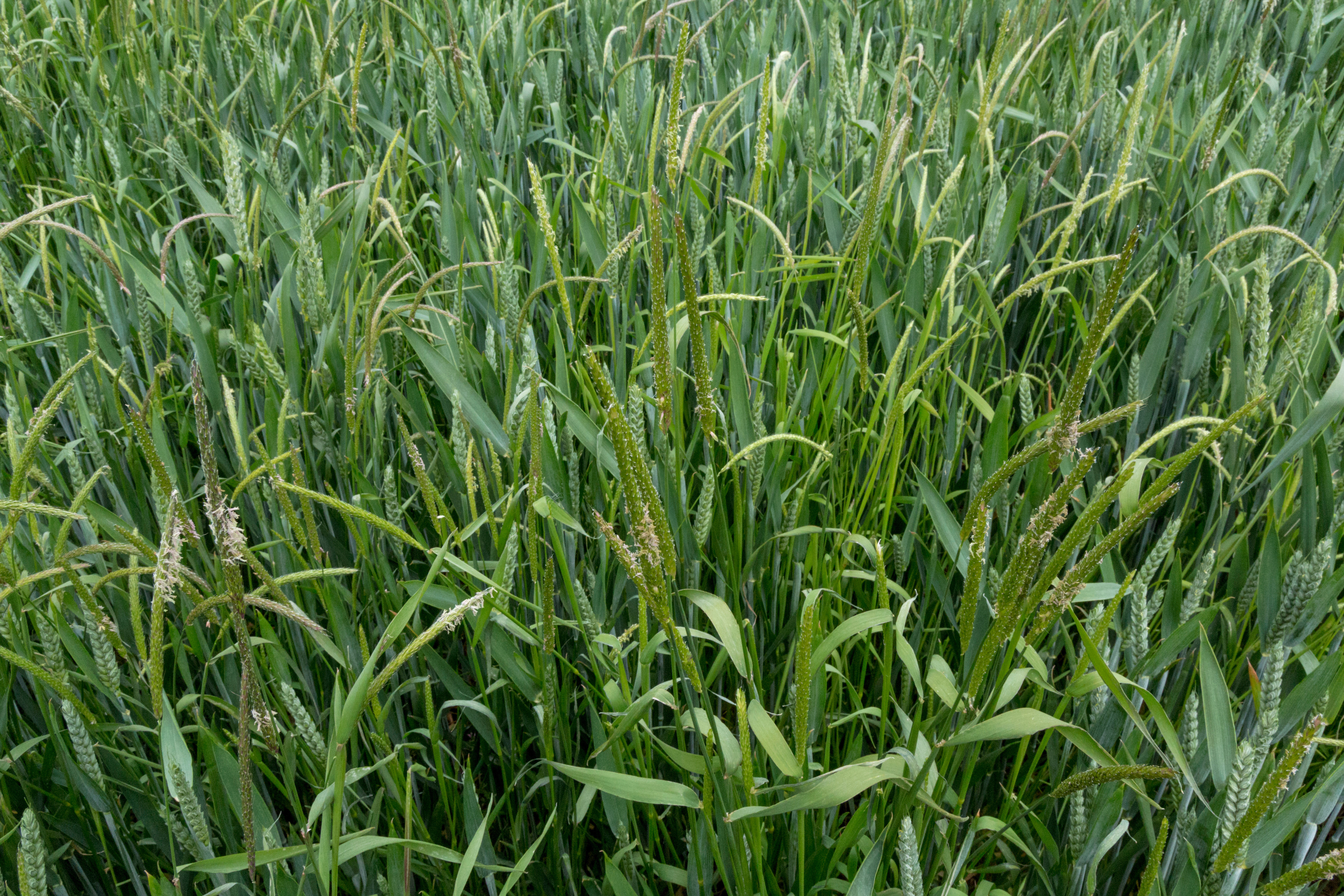
There’s no avoiding the problem that we are vulnerable to high grass weed seed return in crops this season. A post-em programme will help reduce plant numbers, and suppress head and seed counts but recent experience shows that black-grass can cope better with sodden conditions. Patch spraying the worst areas will help although some crop will be lost too. Think about which following crop will help clean the land and sort out likely compaction issues.
Lack of vigorous crop competition is a big danger this season. Weeds like black-grass can quickly exploit thin crops and produce huge numbers of heads. Rolling to promote tillering and early nitrogen will be both promote crop vigour.
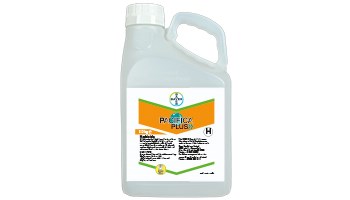
There are a number of herbicides available in spring. To control grass weeds such as black-grass and rye-grass, Atlantis OD (mesosulfuron + iodosulfuron) is a good option in January. From 1 February, there is the option of Pacifica Plus (mesosulfuron + iodosulfuron + amidosulfuron) or Monolith (mesosulfuron + propoxycarbazone). Monolith is for grass weed only product while Pacifica Plus controls a wide range of broad-leaved weeds as well making it a good candidate as a spring ‘clean up’ spray. To control small broad-leaved weed infestations there are a range of other product on the market.
After such a difficult autumn, growers will be keen to get out and apply herbicides as soon as possible. This is the right approach, because a contact acting herbicide like Pacifica Plus is more effective against smaller plants plus adding a residual partner such as 0.3 L/Ha Liberator (flufenacet + diflufenican) will provide protection against further germination. However, applying too soon in poor conditions will result in poorer control. Wait for active growth in a period of mild, bright weather before applying post-em herbicides.