Increased seed rates for better black-grass control

Posted 7 years ago
18/10/2019

Increasing seed rates in cereal crops will help to suppress weeds and increase the level of competition between a black-grass plant and the crop. Black-grass must compete for water, light and nutrients, so the denser the crop, the fewer black-grass plants will be able to germinate, tiller and effectively reproduce.
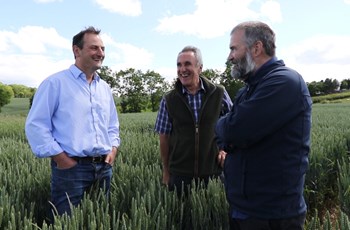
Melton Mowbray arable and dairy farmer Ben Stroud uses increased seed rates in his black-grass control programme to smother weeds and aid crop establishment, particularly in cases where drilling is delayed.
“We increase the seed rate as we go later into October. We tend to start with quite a robust seed rate anyway because we start drilling late and then increase that the later we go into October.
We probably up it by 50 seeds/sq m in the last week of October and if we end up going into November, a little bit more."
“With seed you have to consider the seedbed conditions and weather as well – our decision is driven by whether the seedbed isn’t quite as good as we’d like or if the weather has not been favourable. When deciding on this year’s seed rates it’s important to look at what seed rates you’ve used in that field previously and how they fared at harvest and adjust this accordingly, but where we’ve got black-grass pressure the rate certainly needs to be robust.”
In wheat a seed rate of over 300 plants/sq m is recommended to give around 22-26% better control of black-grass, according to the AHDB. Increased seed rates will aid establishment particularly in late drilled crops where conditions might not be as great for tillering potential as seen in September drilled wheat. However, increased seed rates can also lead to crop lodging and a higher risk of disease, so fungicides and fertiliser programmes should be adapted accordingly.
If you have any questions, please contact your local CTM or Tweet @Bayer4CropsUK.