4 practical tips for loose smut control this season
Ear emergence in winter barley represents the only time it is possible to identify loose smut within the crop.

Posted 7 years ago
13/05/2019
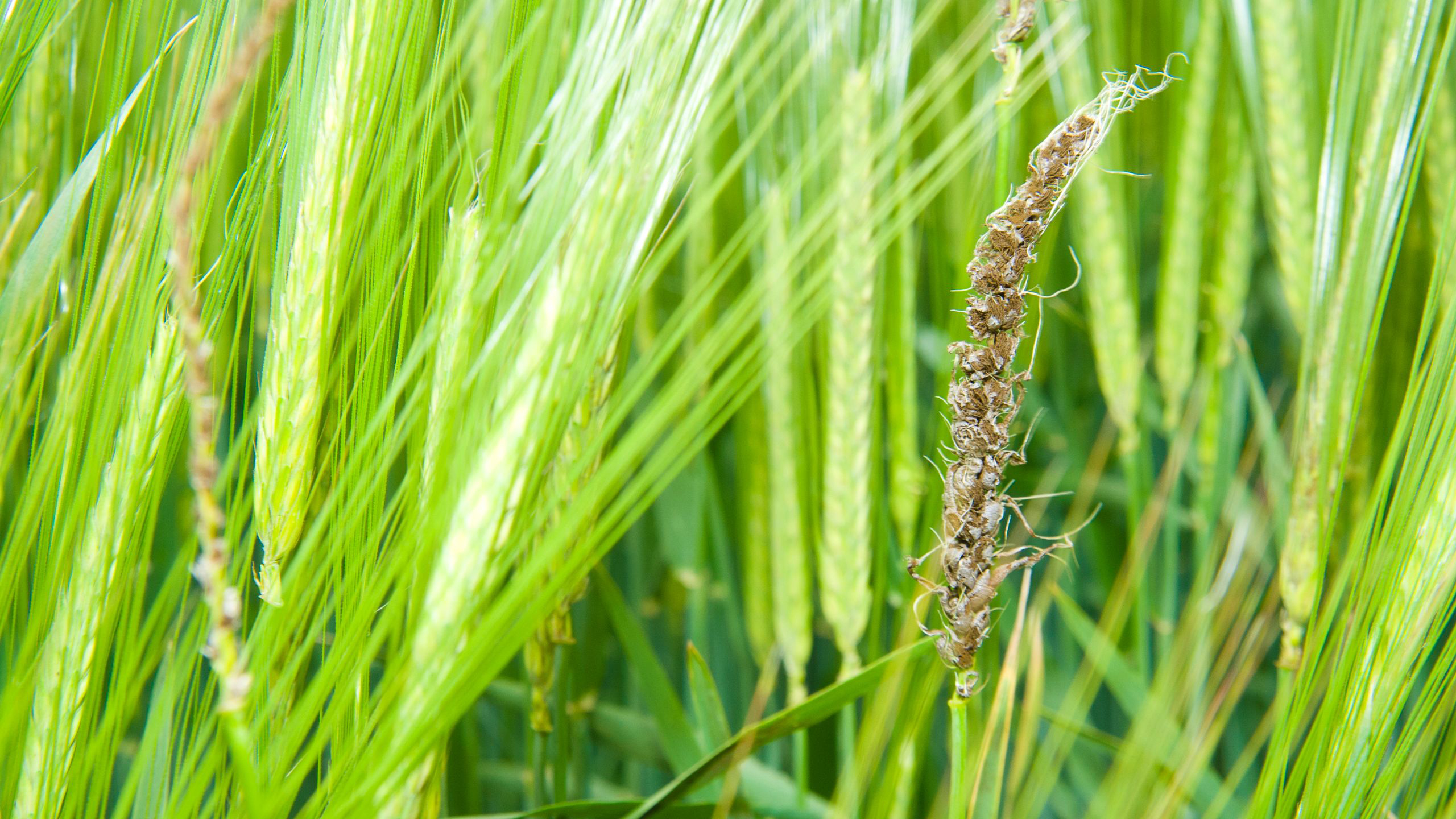
Ear emergence in winter barley represents the only time it is possible to identify loose smut within the crop.
The outbreak of loose smut in winter barley in 2018, which most likely was caused by a ‘perfect storm’ of weather conditions, has demonstrated the importance of continual management of this disease in order to avoid it proliferating and causing subsequent yield penalties.
In the coming months, the following factors are key to protecting your winter barley crop from loose smut:
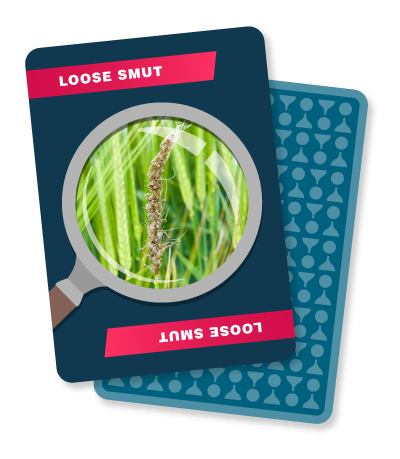
Signs of loose smut infection are only visible as the ears emerge from the winter barley crop, which usually takes place in May. At this stage, loose smut is easily recognised as each grain is replaced by a mass of black fungal spores.
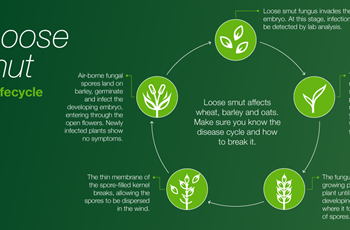
Before this, the only sign might be that plants are taller and mature slightly earlier than uninfected plants. This gives loose smut a competitive advantage, allowing the spores to be ready to infect once the florets of healthy plants open.
Grain infected with loose smut is symptomless and will appear completely normal. Always ensure your grain is properly inspected and of the highest quality, especially if you are farm saving seed. Grain tests should also include checks for seed viability using embryo testing, the results of which are usually available within 48 hours.
The past loose smut outbreak is thought to be caused by a ‘perfect storm’ of weather conditions conducive to loose smut infection. Infection is more likely when flowering is prolonged due to cooler and moister conditions.
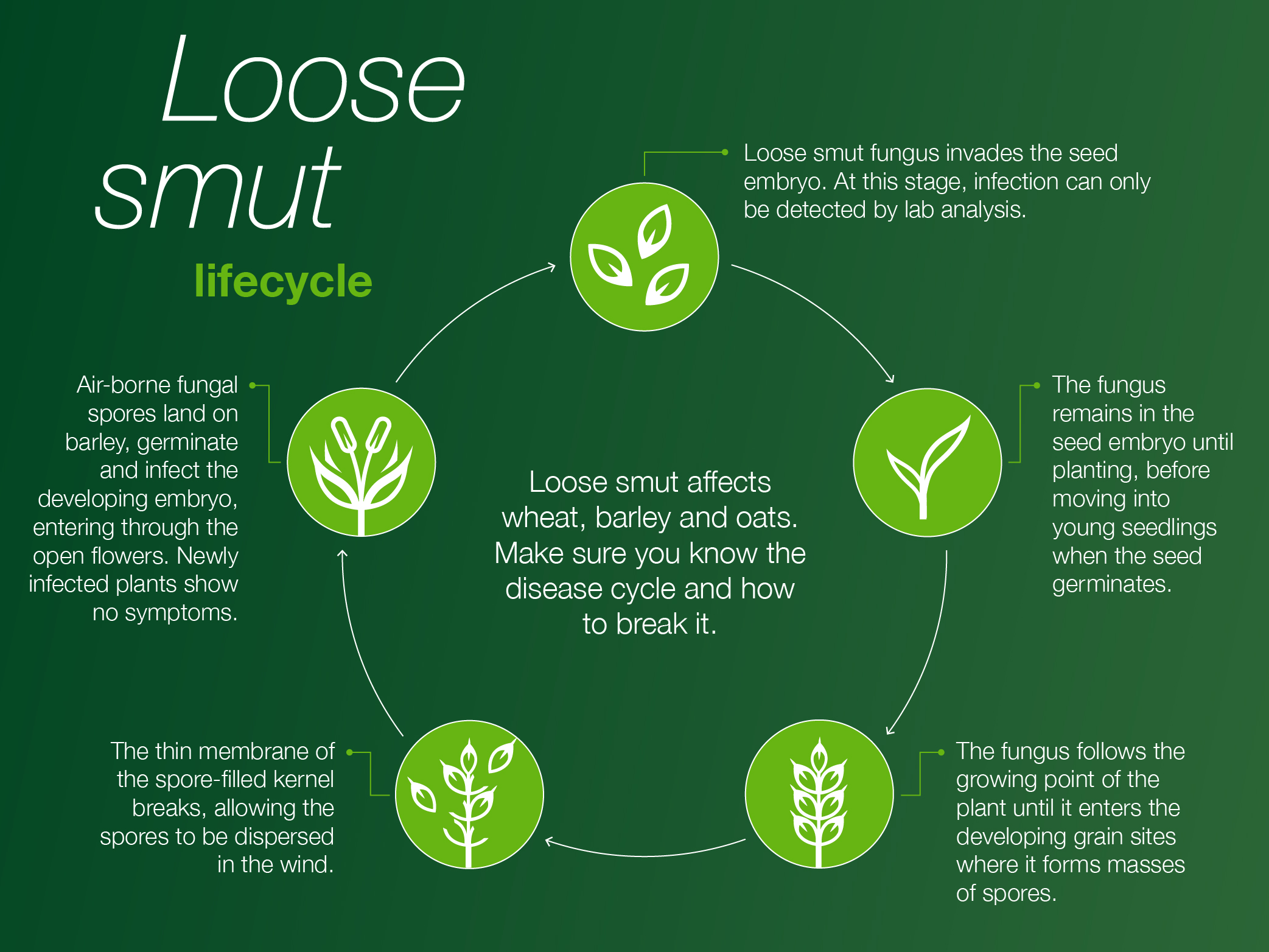
Initial Bayer testing has found that the loose smut outbreak appears to have not been caused by resistance to the active ingredients in seed treatments. As a result, these products are still a vital tool in the armoury against loose smut infection.
It is critical that in future seasons the highest quality seed treatments, such as Raxil Star (prothioconazole + tebuconazole + fluopyram), are used as a preventative measure in the field to further mitigate risk of loose smut and other seed- and soil-borne diseases from increasing in prevalence.