How using a biological fungicide can help grow higher yielding potatoes

Posted 7 years ago
15/04/2019
Trials investigating the relative performance of Serenade ASO, Bayer’s biological fungicide containing Bacillus subtilis QST 713, continue to deliver promising value to potato growers. In soils where there is higher pathogen pressure it performs best when applied in conjunction with conventional treatments while in lower pressure conditions its contribution is often enough to be applied as a stand-alone treatment.
Trials to date have found performance varies between sites, but that there is regularly a positive effect on potato yields, with 10 out of 13 UK and European trials showing yield increases; and an average yield increase of 1.9 t/ha across all 13 trials. In addition, its use has led to increases in marketable yields through more consistent tuber size and better skin finish.
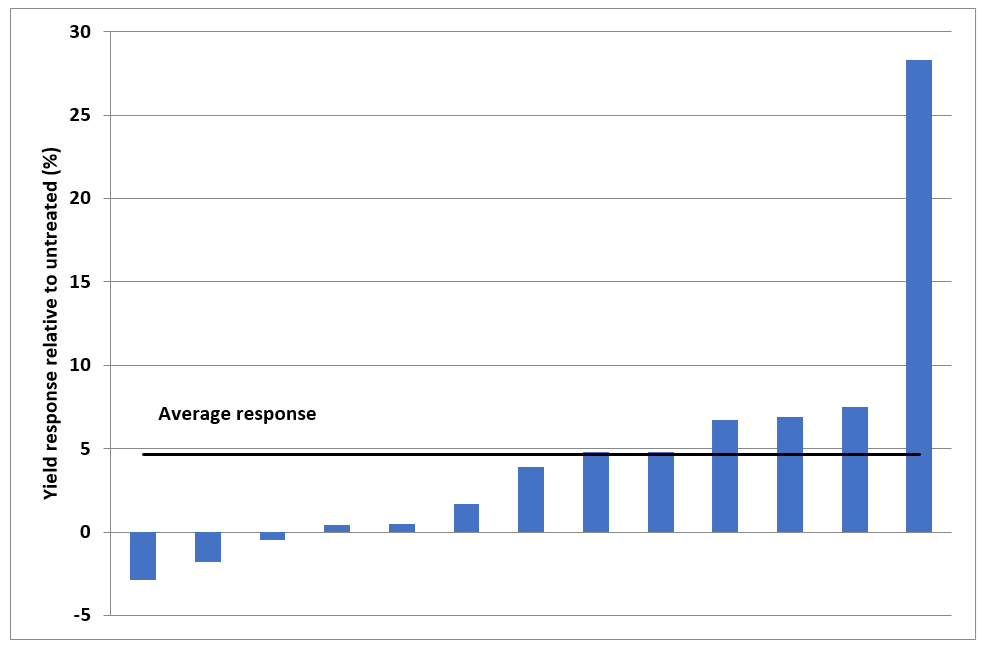
Average yield response from in-furrow applications of Serenade is 1.9 t/ha over untreated. Even after discounting the exceptional result (seen on the far right) the average yield response is an equally worthwhile 1.1 t/ha.
Source: Bayer, 13 EU trials from submitted dossier. Serenade applied at 5 L/ha
“Performance is often influenced by external factors such as soil type, moisture, temperature and disease pressure. This is perhaps not surprising given Serenade is a living organism that will interact with the physical and biological characteristics of the crop and the soil,” says Tim Lacey, Bayer campaign manager for horticulture.
While its development remains a case of work-in-progress, recent trials have highlighted its contribution to black dot control when applied with Bayer’s new tuber treatment, Emesto Prime (penflufen) in addition to positive effects against watery wound rots (Pythium) and other soil diseases seen in previous trials.
When applied with Emesto in a 2018 trial located in Scotland using Rhizoctonia infected seed, a significant reduction in the incidence of black dot compared with untreated plots was identified.
“Emesto at 1 kg/t and Serenade at 5 L/ha in-furrow gave one of the best reductions of black dot of any treatment in trial reducing the incidence of disease by nearly 50% over the untreated,” says Mr Lacey.
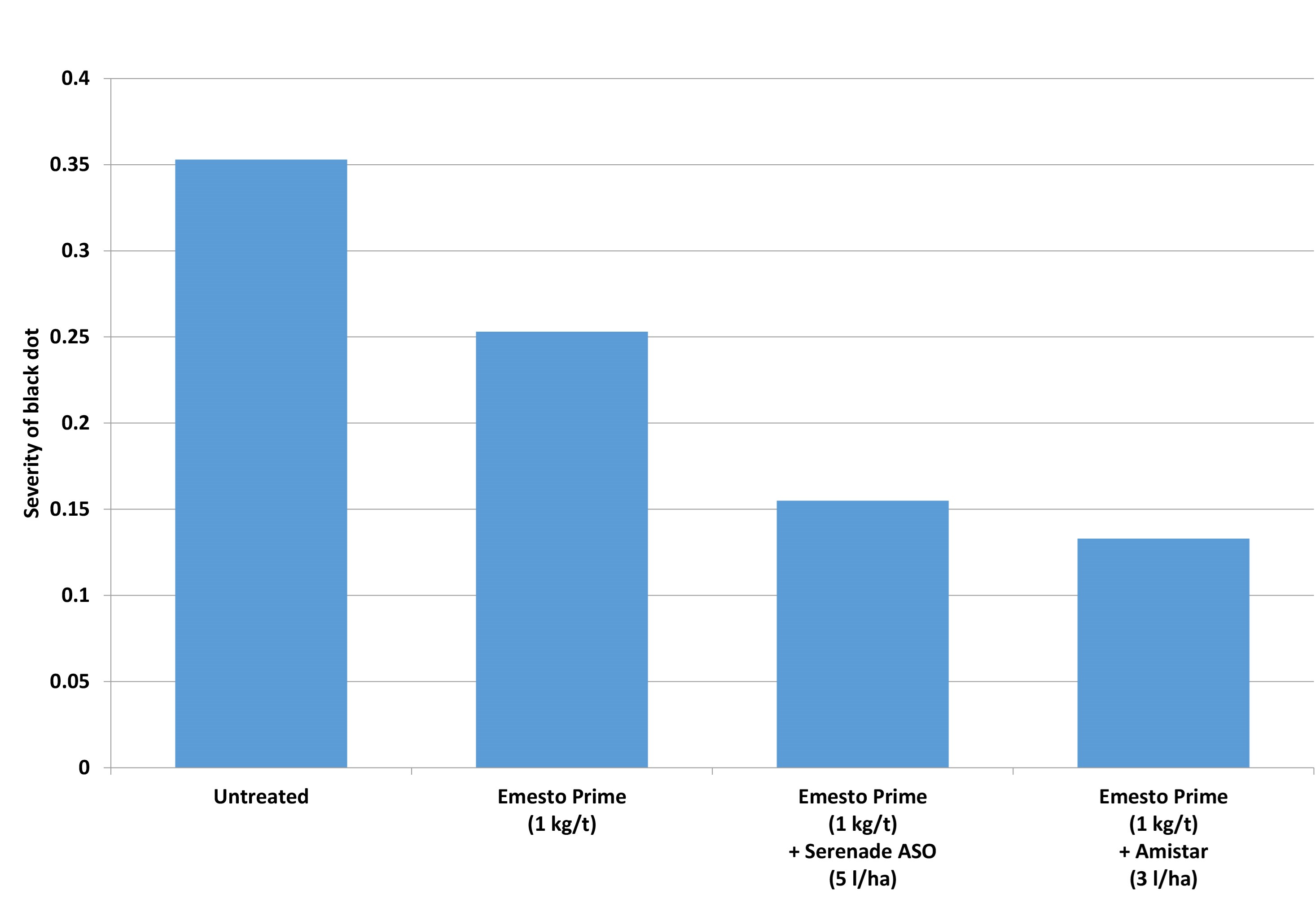
The addition of Serenade to Emesto Prime reduced the severity of black dot by more than 50% compared with the untreated.
Source: Bayer trials, Fife, 2018
Although further trials are needed, its contribution is more than just that of a supporting partner. When co-applied with Velum Prime (fluopyram) for improved yield protection in the presence of PCN, you can expect to gain both tuber quality and yield benefits from Serenade application as well as the PCN protection from Velum, says Mr Lacey.
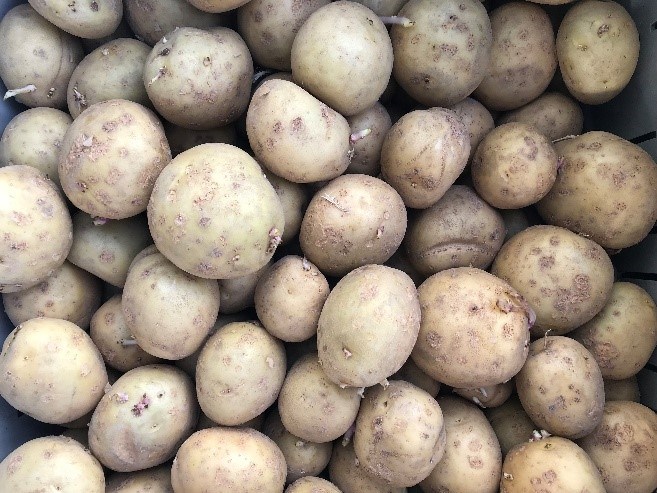
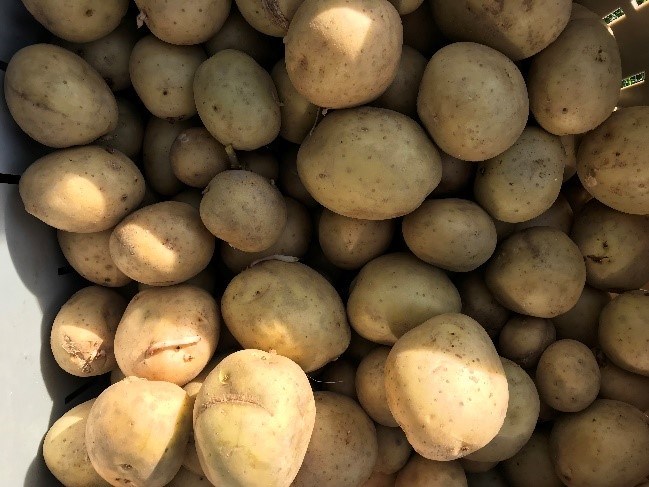
Rhizoctonia trials in the Netherlands in 2018 highlight the contribution of Serenade in protecting against tuber diseases. Top is the variety Sifra grown under normal practice and bottom with the addition of Serenade at 5 L/ha.
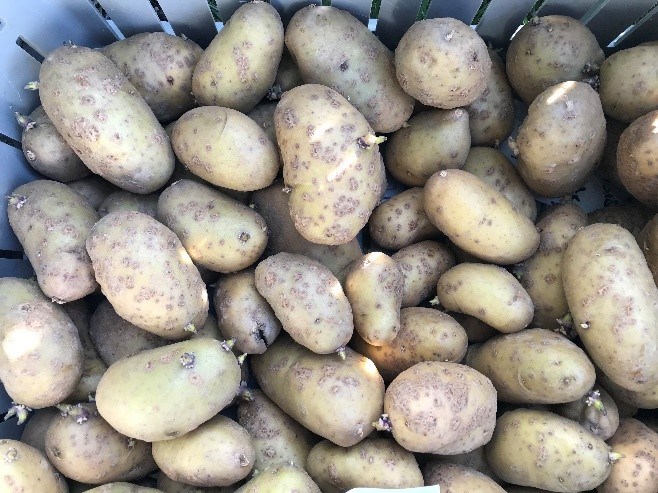
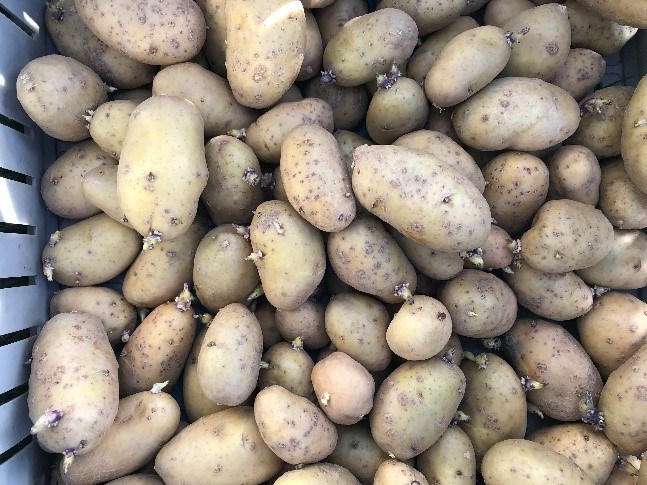
The same trial considered performance with the variety Spunta. Top is the standard practice while bottom is standard practice with the addition of Serenade at 5 L/ha. The greater control from the Serenade-treated crop is evident.