Three potential agronomic jobs for northern growers in August aside from harvest
Adam Hinchcliffe looks at upcoming agronomy tasks in August

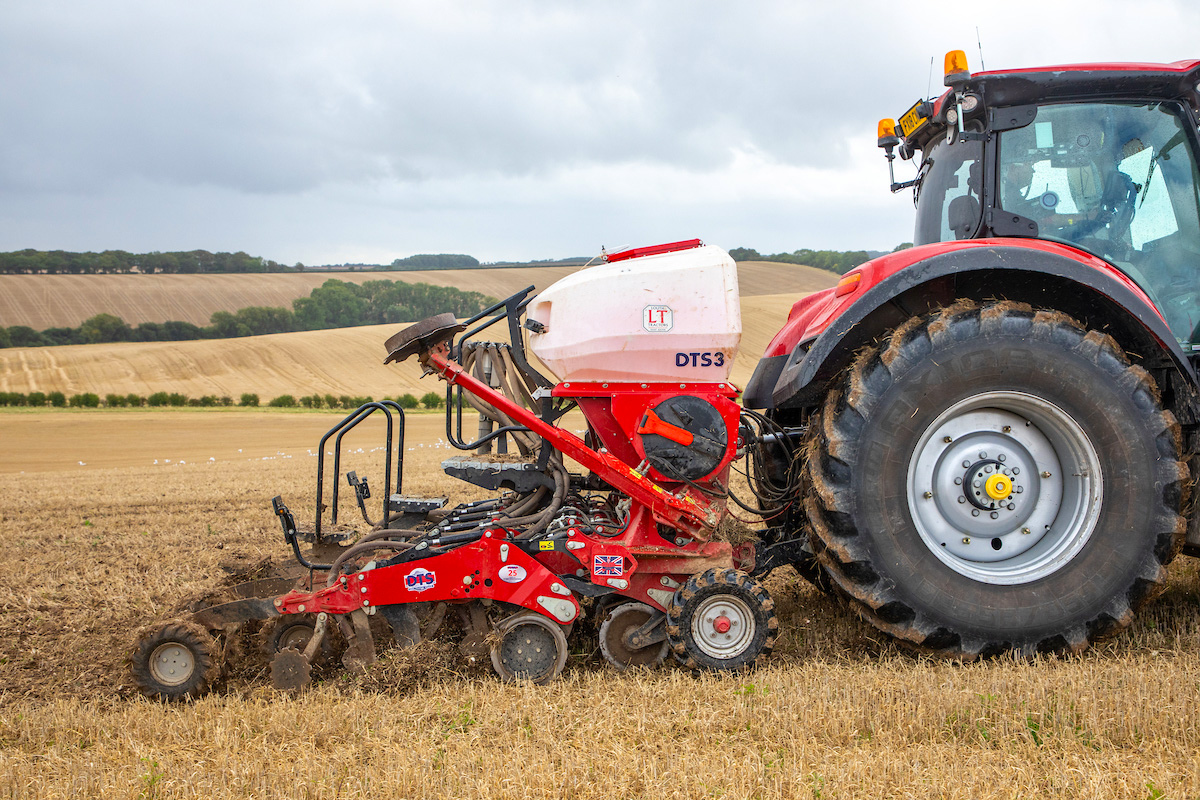
Adam Hinchcliffe looks at upcoming agronomy tasks in August
As I write this, winter barley crops have started to be harvested in the north. It’s too early to get any accurate feedback on yields, but the expectation is for winter barley to average around 7.0t/ha. Oilseed rape also won’t be too long before harvest, with desiccation ongoing.
Again, as this was written, oilseed rape establishment hadn’t started in Yorkshire, but it was imminent. Considering the weather and rainfall in July, early establishment to minimise the risk of cabbage stem flea beetle adult damage looks possible and perhaps the right strategy for this season. However, the flip side is the potential to have a large crop by winter and being reliant on growth regulators.
Moisture retention is the key to good establishment. Keeping away from a plough- or deep non-inversion-based establishment, if possible, in favour of a direct drill approach will maintain moisture best for the most effective establishment and rooting of the crop.
If you decide to go down the early drilling route, then DK Exstar is a good choice. It’s a reliable variety with vigorous establishment, but without that over rapid development in autumn, which means it fits a wide drilling window. With ever changing springs, DK Exstar also has a good early restart, and so is useful if pigeons have caused a headache over the winter.
If you grow Clearfield varieties, then DK Imprint or DK Imove, maybe options, especially for those where broad-leaved weed control is important, including hedge mustard, runch, and or charlock. A DK CL variety can also help if you are susceptible to volunteer OSR which can affect erucic acid levels in your crops.
While pre-harvest Roundup (glyphosate) is an effective way to improve harvest efficiency by reducing seed moisture and ensuring even ripening, it can also act as the first line of defence against weeds ahead of the following crop. It will also help reduce seed losses, reducing potentially problematic volunteers.
That defence continues with post-harvest stubble management. If it is very dry during and after harvest, which currently looks unlikely, then doing nothing until there is some moisture is sensible – allowing weed seeds to naturally degrade and be eaten.
Otherwise for most grass weeds, such as black-grass, Italian ryegrass and sterile brome, lightly cultivate to encourage a chit before spraying off with glyphosate. If you have had poor control this season, and haven’t used the plough for a while, that’s also a good option to consider, to help reset the system – just make sure you fully invert soil to maximise effectiveness.
Meadow, soft and rye brome are an exception – these species require a period of about a month on the surface to ripen before any cultivation to make sure they chit prior to the next crop.
Weed Resistance Action Group (WRAG) advice recommends a maximum of two glyphosate applications after harvest, before drilling the next crop, with cultivation used to eliminate any survivors.
Resistance to glyphosate is a real risk, so taking steps to minimise this risk is essential. In the wider sense that includes taking full advantage of cultural control methods to drive weed population numbers down, and being dynamic and diverse in control approaches. Don’t rely on one method, mix it up.
When using glyphosate, use the correct dose for the weed size and species present, and use the dose for the hardest target.
Application is key to success – make sure the sprayer is calibrated and serviced, and choose the right nozzles for the job. Don’t go too quickly – while you may have large expanses to cover, this is just about the most important herbicide application of the season, so it pays to slow down to maximise efficacy. Keep forward speeds to 12kph or below, and keep boom height at 50cm above the target, while minimising boom bounce.
High temperatures and humid conditions have increased blight pressure in Yorkshire during July. Keeping to programme intervals has been a challenge for some growers, which has had a knock-on effect on programme planning.
With 13 modes of action available for late blight control in the UK this might not seem too challenging. However, only three are considered to have good activity against zoospores and therefore against tuber blight at the latter stages of the season. Fluazinam is one, but for those who don’t want to run the risk of insensitivity there are just two: Quinone inside Inhibitors (QiI), belonging to FRAC code 21, and the pyridinylmethyl-benzamide group containing fluopicolide, belonging to FRAC code 43.
As the active substances of Shinkon/Gachinko (amisulbron) and Ranman Top (cyazofamid) are both QiI fungicides they should not be used in alternation or mixtures with each other as part of an effective fungicide resistance management strategy.
The use of amisulbrom- and cyazofamid-containing products and Infinito (fluopicolide + propamocarb), which has a maximum four applications of 1.6 L/ha, therefore need to be planned carefully to ensure that sufficient fungicides with tuber blight activity are retained for when they are needed.
Tubers are at risk of infection from the point of initiation, which depending on variety, is around the end of the rapid growth phase and the beginning of the stable canopy phase. A grower wanting to protect tubers from this point onwards will need to alternate between QiIs and Infinito.
Whether this is possible will depend on the number of QiI and Infinito sprays used during the rapid growth phase, hence the importance of planning an appropriate strategy across the entire fungicide programme which will protect foliage and tubers from late blight and provide good resistance management.


