Dry Autumn Dilemma

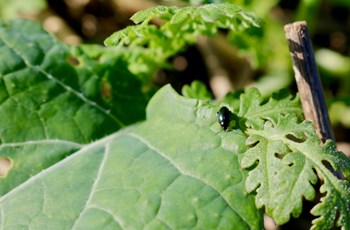
While showing crop survival and condition are definitely improved by earlier drilling where CSFB pressures are high, Bayer’s latest national OSR benchmarking study also clearly demonstrates crops can do as well from sowing in late August and early September if pressures from the pest are lower.
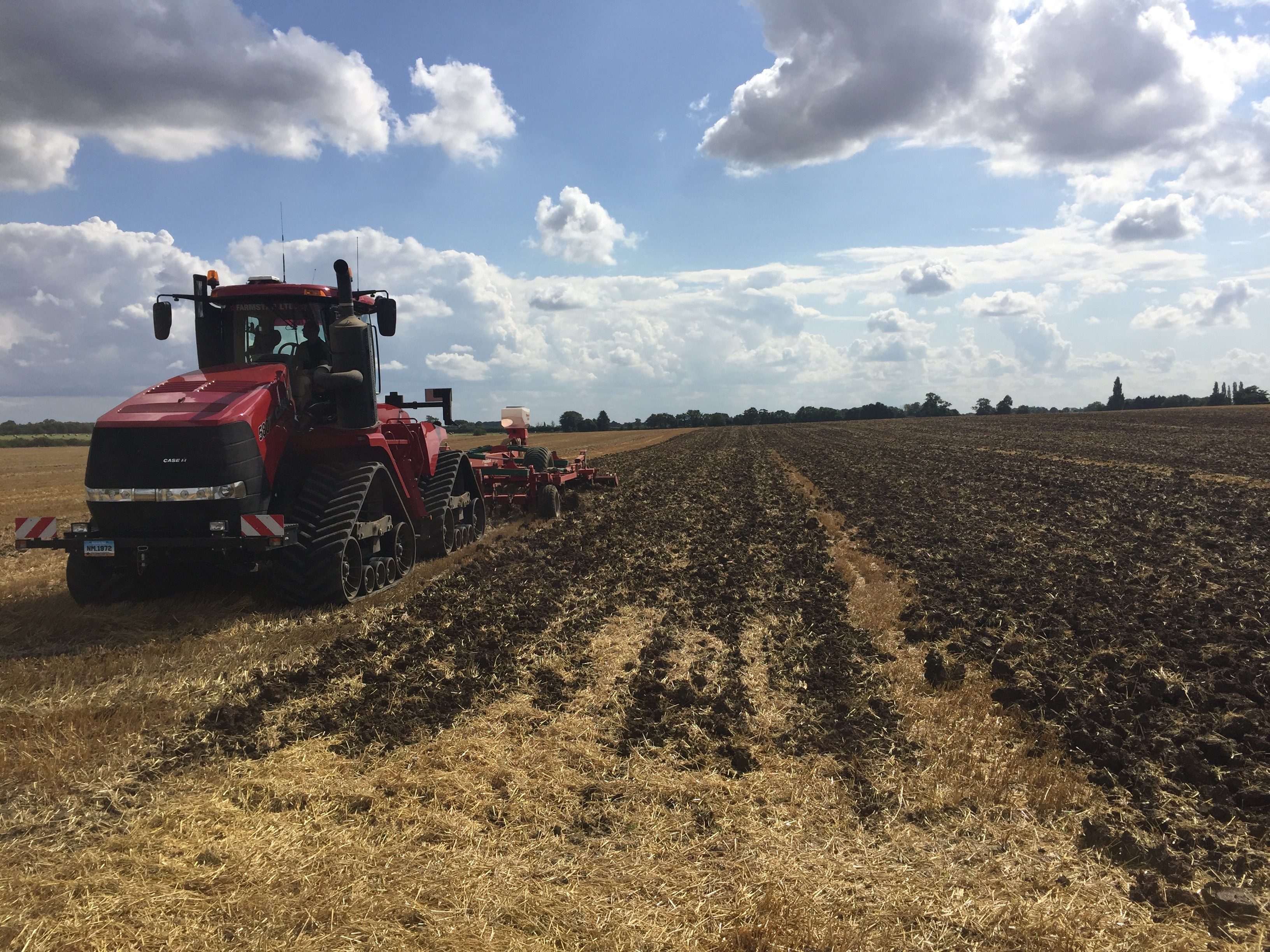
At the same time, the 170-plus growers involved in the study identify only sowing when and if there is sufficient moisture as the single most successful risk reduction technique.
“Sowing patience will be a particular virtue this season,” advises Adam Nears, Bayer’s Seed & Seed Treatment Business Manager.
“Even if this means holding-off until September to be sure there’s enough moisture for good establishment.
“Several years of our studies show hybrids have a particular edge over pure line varieties from sowing after August 20. And we know that hybrids with the speed of autumn development and resilience of DK Exsteel are especially valuable here.
“With the best establishment so critical to OSR success and CSFB again appearing rather less threatening in most areas sowing the most suitable hybrids somewhat later than planned looks set to be the best strategy for many.