Emerger delivers lasting weed control, even in testing condtions

Posted 4 years ago
11/04/2022
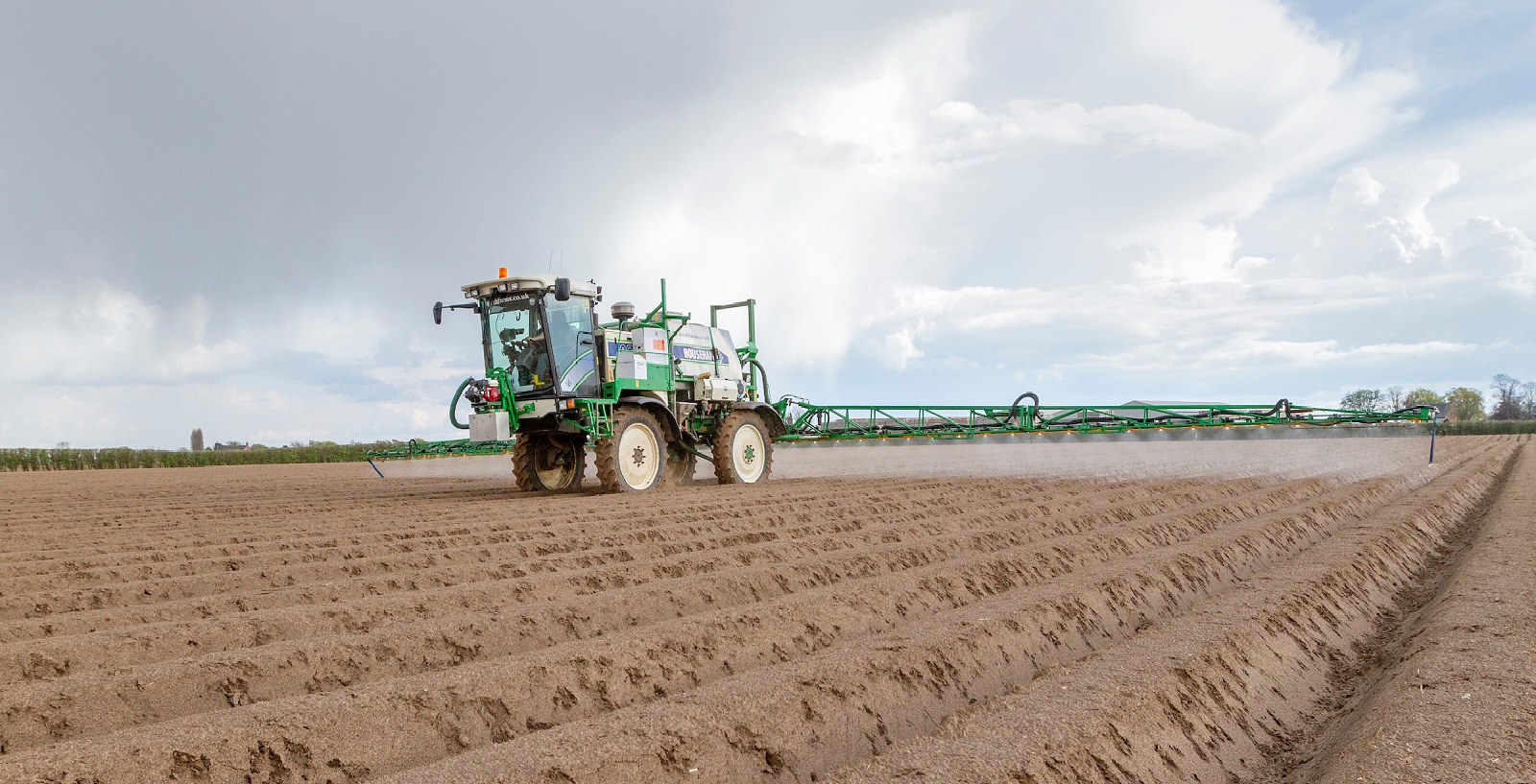
Weed spectrums and soil conditions are the key factors that influence herbicide strategies. There are often considerations and compromises, with variety sensitivity and soil type high on the list. Balancing the many factors involved, however, does not mean having to accept poor control.
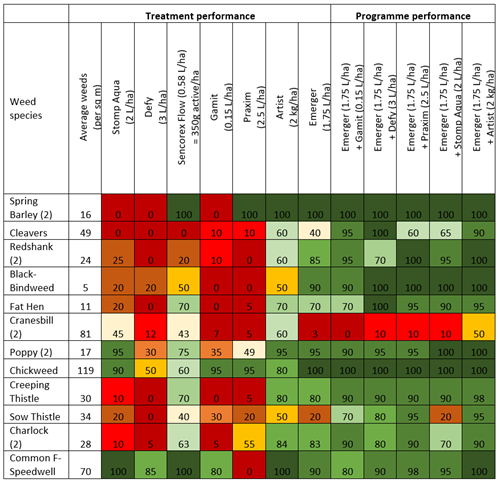
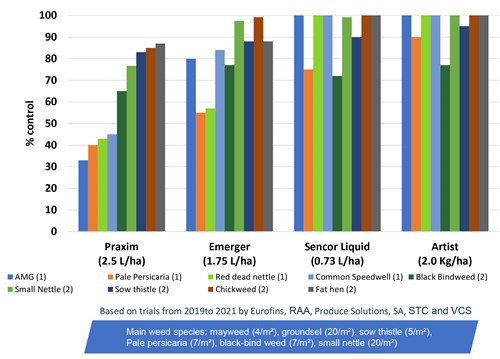
Emerger (aclonifen) has consistently delivered robust control of a broad spectrum of weed species across testing conditions and a range of soil types.
Tolerance to metribuzin is a primary consideration. It has the widest spectrum of control of any herbicide authorised for use in potatoes, but its use is either not supported with many varieties or limited depending on soil type.
On soils where varieties will tolerate metribuzin it makes sense to go with this as the basis of the programme and it should be incorporated in to the top 10-15 cm of soils at the final stage of cultivation ahead of planting. Where small nettle, fat-hen, orache, polygonum species and black-bindweed are a problem, a pre-emergence application of Emerger will bolster control.
Where the soil texture or variety mean metribuzin is either not a suitable option or has to be applied in low quantities, Emerger alone or in combination with prosulfocarb has been shown to deliver control. On soils high in organic matter, where residual control can be compromised by the poor ridge stability, growers have reported a level of control beyond their expectations.
Soil moisture status is another consideration. Emerger is a diphenyl-ether, which is taken up by the hypocotyls, cotyledons and coleoptiles of weeds as they push through the soil surface. It is then translocated to the meristems causing bleaching and chlorosis of the young tissue as it develops. As such, Emerger is less affected by dry soils than prosulfocarb.
This brings application flexibility and offers a potential cost saving as Emerger can be applied earlier than is often needed with prosulfocarb and does not require a standalone pass to ensure optimum timing. The addition of prosulfocarb should be considered where cleavers present a challenge.