Look out for these 5 agronomy tasks in August in the west
What other agronomy jobs are there in August, other than harvesting? Tom Astill dives in with his insights for the west.

Posted 5 years ago
01/08/2021
What other agronomy jobs are there in August, other than harvesting? Tom Astill dives in with his insights for the west.
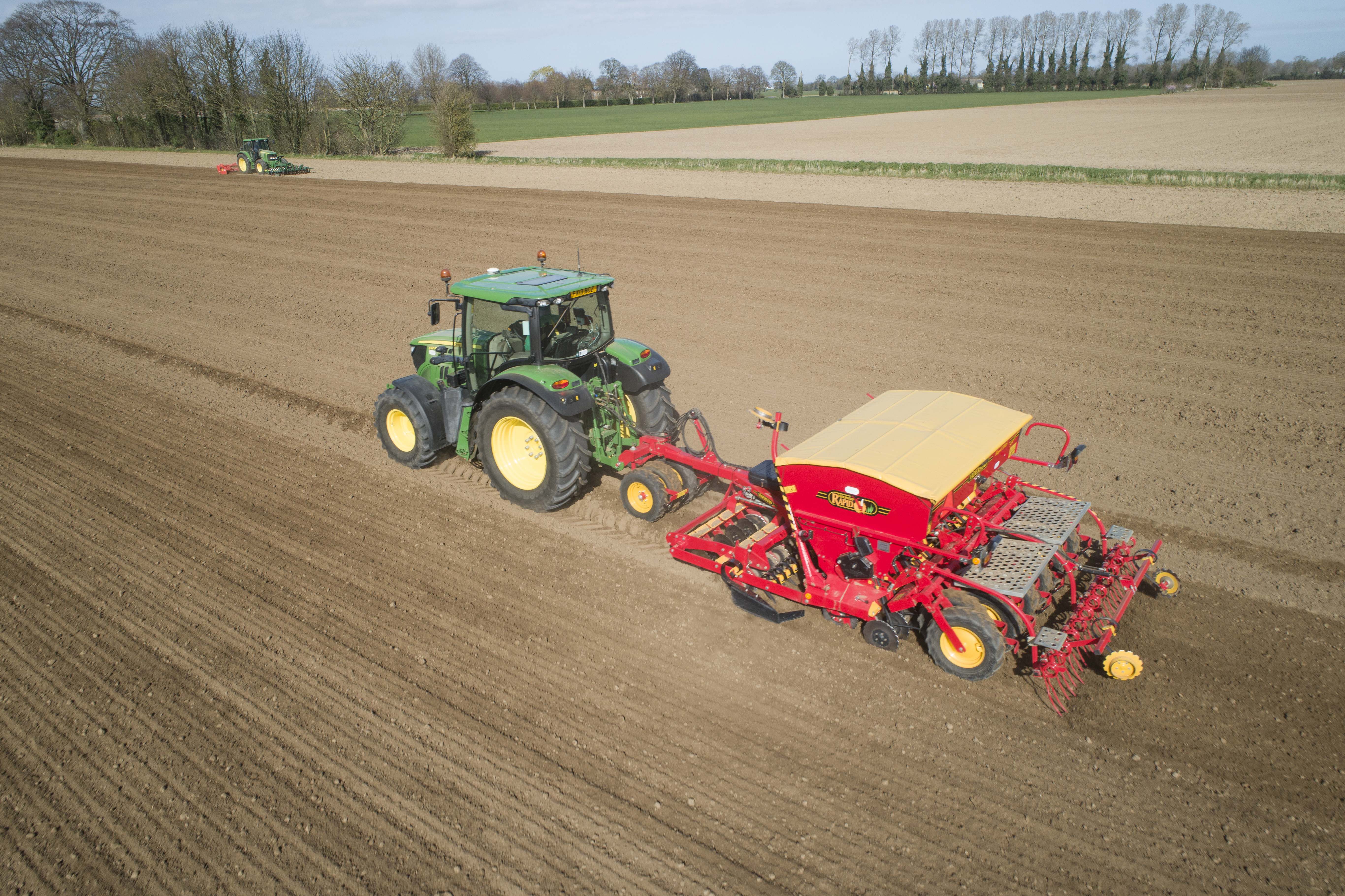
Last season highlighted how vital soil moisture was to oilseed rape establishment with generally much better results than the previous season. There are a range of techniques such as companion cropping, leaving long stubbles, applying smelly organic fertilisers, etc., that can help contribute to escaping the threat of cabbage stem flea beetle, but moisture is the overriding factor.
Amid the battle against the beetle, don’t forget about slugs. Minimal soil disturbance is vital to hold onto soil moisture but can favour slugs, so rolling is a good tool.
In both cases choosing a Dekalb variety in the DK Establishment scheme will provide extra insurance in case of failure. DK Exstar, DK Extremus, DK Excited and DK Imprint CL are all included in the scheme, which credits £100/bag in the event of blocks of 6ha or more failing to establish.
Virtually all the Dekalb varieties provide vigorous establishment in the autumn, robust disease resistance ratings, and have pod shatter resistance.
A good starting point for weed control for the new season is to evaluate last year’s control and decide what cultivations will work best for the new season. Being flexible in your approach is helpful.
One of the main threats may be Italian ryegrass. With both that and black-grass the decision is whether to cultivate to 5cm to encourage a chit or just to leave on the stubble – moisture again is probably the biggest driver of this decision. Rotational ploughing is a good tool to bury weed seeds but is difficult to predict what you will plough up.
When using Roundup (glyphosate) on stale seedbeds I would strongly encourage you to look at the recently updated Weed Resistance Action Group guidelines for managing glyphosate resistance in the UK.
Rates for taking out ryegrass and black-grass should be a minimum of 540g/ha for seedlings up to 2-3 leaves and 720g/ha when tillering. It is best practice to cultivate between applications as a non-chemical means of killing any survivors.
If you have brome species then identification ahead of stale seedbed preparation is important. For Anisantha species such as sterile or great brome then shallow cultivation immediately after harvest to cover seeds will encourage them to break dormancy and germinate, whereas for the Bromus species (meadow, rye and soft brome) then leave the seeds on the surface for about a month before shallow cultivation which allows them to ripen and break dormancy and chit. But if you have very high pressure consider using the plough to bury seed deep.
Another option post-harvest is to establish a cover crop to protect vulnerable soils from erosion and nutrient loss. Look to establish these straight behind the combine. Consider what you are trying to achieve – and select species carefully as some may lead to disease or pest issues.
There have a few confirmed blight outbreaks in the west, but blight pressure in potatoes had been reasonably low up until the end of July. Warm and wetter weather is forecast for early August which will likely increase pressure.
The AHDB’s Blight Spy service provides good updates of the latest picture.
If pressure increases keep intervals tight to no more than seven days, and as the season progresses consider using products with tuber blight activity, such as Infinito (propamocarb + fluopicolide).
In catchy weather, the use of pre-harvest Roundup to help protect grain quality, aid harvest efficiency and clean up weeds is extremely useful. In cereals, it helps reduce green material including immature tillers.
Best practice is to only use glyphosate when the grain has less than 30% moisture content (around hard dough GS87) so not to compromise yield. AHDB guidance will help you judge when this is.
If you’re using it to help tidy up weeds, ideally target weeds when they are green and actively growing, and ensure you use the correct rate for the target.
Glyphosate stewardship is important so always abide by the label harvest intervals and do not use in crops intended for seed production.
If you’re farm saving seed, don’t forget about seed-borne diseases. Testing for diseases such as bunts, loose smut, leaf stripe, net blotch, Microdochium nivale and Fusarium spp. can help decide whether and what to treat seed with, alongside doing a germination test.
Where treatment is required products such as Redigo Pro (prothiconazole + tebuconazole) and Raxil Star (prothioconazole + tebuconazole + fluopyram) are good options. Redigo Pro is an all-rounder for all cereals and Raxil Star delivers leading control of leaf stripe in winter barley.