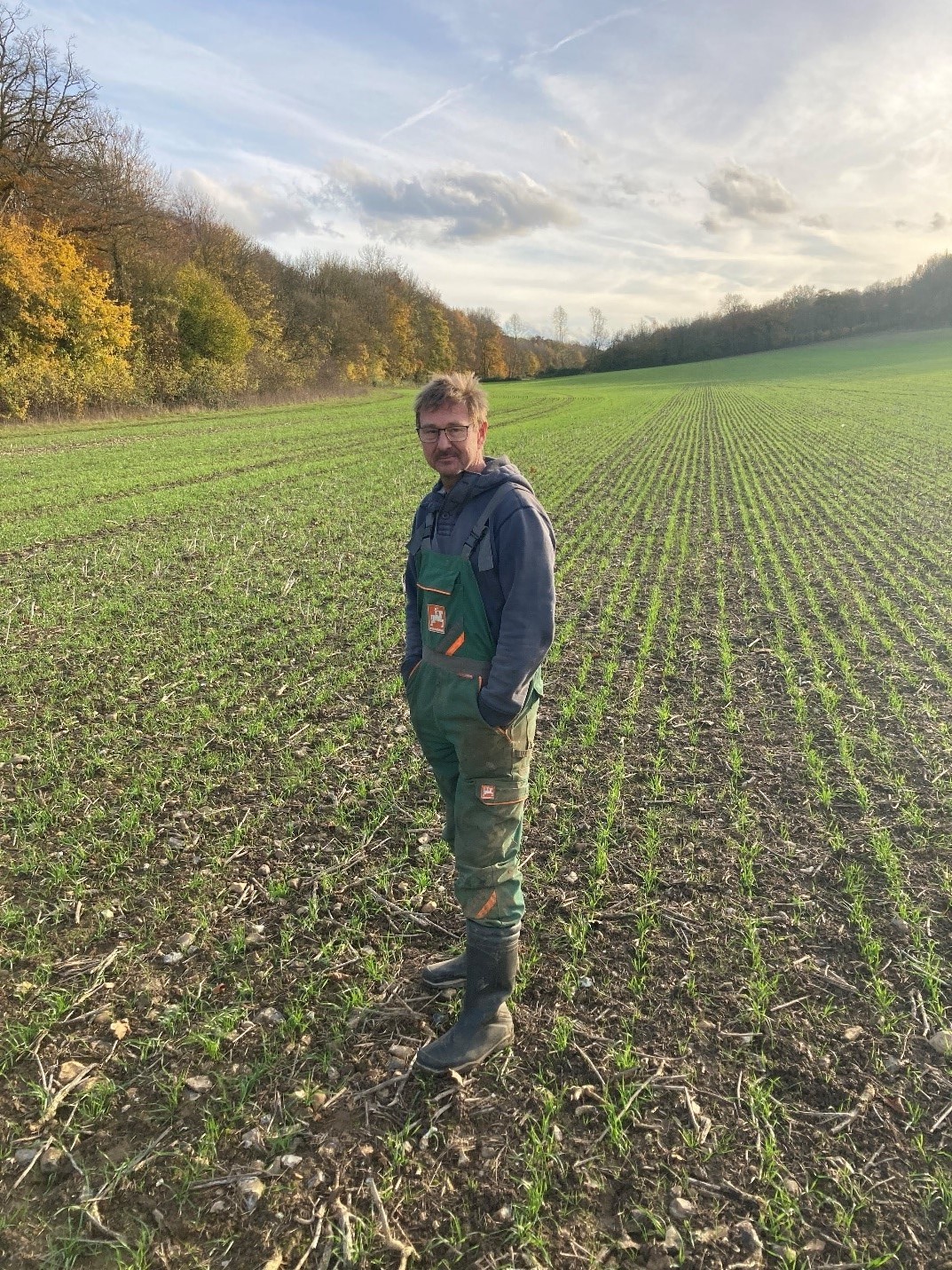
Find out about Kent farm manager Ben Binder's experience of ryegrass control with Proclus
Bayer's Commercial Technical Manager Richard Prankerd finds out how Kent farm manager Ben Binder has found using Proclus for his Ryegrass control this season.
Richard PrankerdCTM
Posted 6 years ago30/11/2020
Q1: how many years have you farmed the estate and when did ryegrass start to become a problem?
Ben moved to Belmont estate 20 years ago and ryegrass was already present on the farm with Ben saying that ‘it’s always has historically been a big problem’. And now the majority of the farm has some level of Ryegrass present with different levels of resistence almost field to field. When Ben took over the farm manager role, Trooper (Flufenacet + Pendimethalin) was first launched to market and straight away it gave good results. However this was only to last for 5-6 years, to which efficacy of the herbicides were beginning to wane. While the estate were getting good levels of control for the herbicides they continued to drill early with the aim to be completed by 5th October.
However with drilling early and herbicides not giving the desired control around “7-8 years ago the problem was growing and we couldn’t get on top at all. Didn’t know where to turn, the problem was not getting any easier despite good stale seedbeds, rotation and cultural tools. Ploughing was not the answer so I moved to targeted ploughing but was bringing up more ryegrass seed than what was in the previous cropping year, so I quickly ruled ploughing out all together. We then tried using Cover crops and direct drilling into them with spring wheat and barley. The barley was not the answer, but spring wheat was bringing success.”
Unfortunately, in spring 2018 they went big on cover cropping and spring wheat but were caught out by the beast from the East, the cold wet spring did nothing for the germination of the wheat but ryegrass loved it! Since then they have moved away from this approach but continued to direct drill and cover crop where possible, and this year they brought a weaving sabre tine drill which has proved an instant success this season.
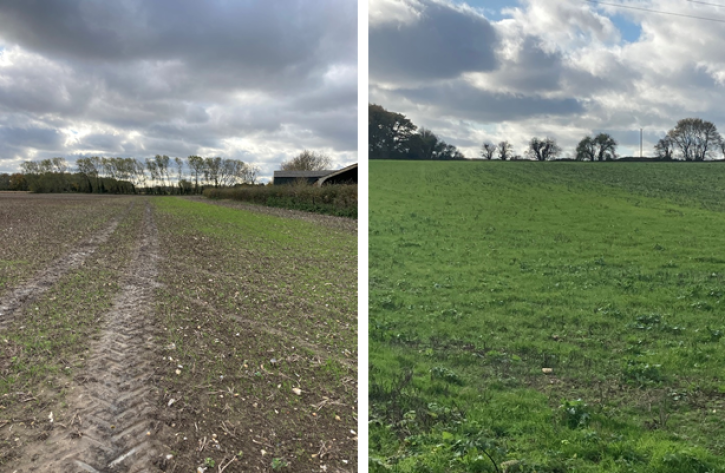
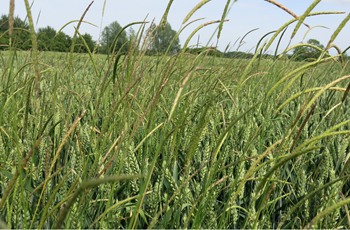
Ryegrass emerging on headland Ryegrass populations in fallowed field
Q: Resistant ryegrass, when did you have it tested and what has been the strategy before this year?
Bayer sampled for resistance in 2016 and have held trials year on year since 2017. Trying other contact chemistry such as Axial and Broadway Star has proved to have very little effect and spring applied meso was failing. “I tried switching to autumn meso which has shown an improvement on control however the efficacy is dropping now and volume of ryegrass meant that success was variable.” Ben believes that “the resistance between fields varies as Meso has better control in some fields but not others, and the problem is you cannot test every field”.
A large stack of active ingredients at both pre and peri emergence is used now along with autumn meso.
Ben says “ryegrass does not follow the same emergence pattern of blackgrass as he has seen emergence continue through the autumn and well into late winter, therefore the late drilling is only useful for the extra ability/time to create stale seedbed’s but he knows that ryegrass will still germinate right when he drills the field”. Also Ben pointed out that, “extremely late drilling does not provide good enough crop competition, so the crop needs to go in while the soil temperatures are still warm enough to establish otherwise his crops won’t fill out enough and the ryegrass will move in as it will germinate once the residuals have run out of steam”.
Q: When did you start drilling this season, and how did you manage getting residual herbicides on?
Ben struggled this year with the wet weather, but the new drill has helped as they haven’t moved the volume of soil as they have in previous years, and as a result Ben has manged to get 100% of his winter wheat drilled, compared to 28% last year. In order to complete the drill program, the drill man and himself were able to change between drilling, rolling and then spraying in order to make the most of weather windows and to get the pre ems on within 48hrs.
Q: What have you made of the control from Proclus on the ryegrass?
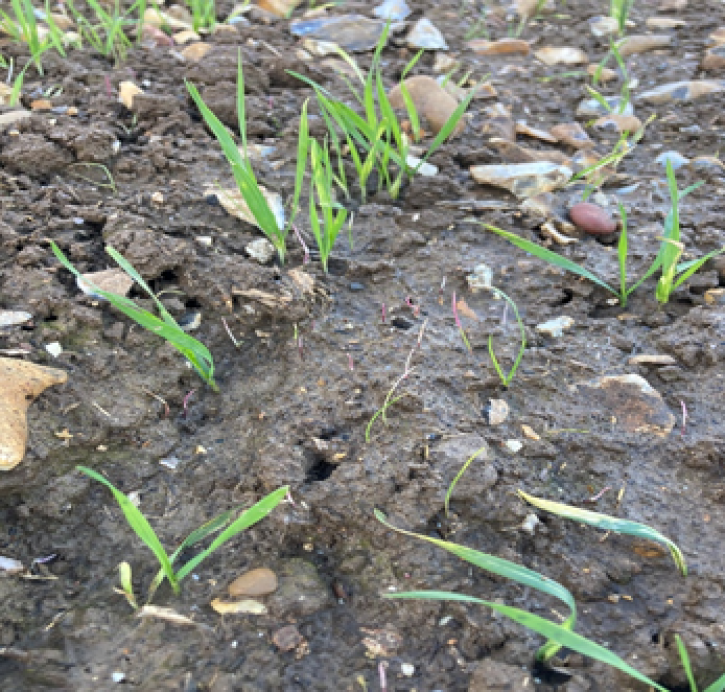
“Looking around at the moment, Proclus has done a fantastic job in controlling ryegrass on the farm, it’s been a real game changer for us”. “Initially we were only going to try Proclus plus Liberator on a couple of the fields, but I am so glad that we decided to apply it to every field of wheat now on the basis that if you continue to do the same you get the same results! except the 2 where the sprayer couldn’t travel because of the wet ground conditions”. Ben is ok with the fact that as long it kills the ryegrass he is happy with the little bit of superficial crop damage on his overlaps, and understands that it is not a silver bullet but using a new mode of action has made a real difference this year and is planning to incorporate it into his strategy on going which include as many cultural opportunities as chemical.
Ben Said “I’m currently waiting to discuss whether there is any need for autumn meso for the first time in many years, as the level of ryegrass control doesn’t warrant it so far”.
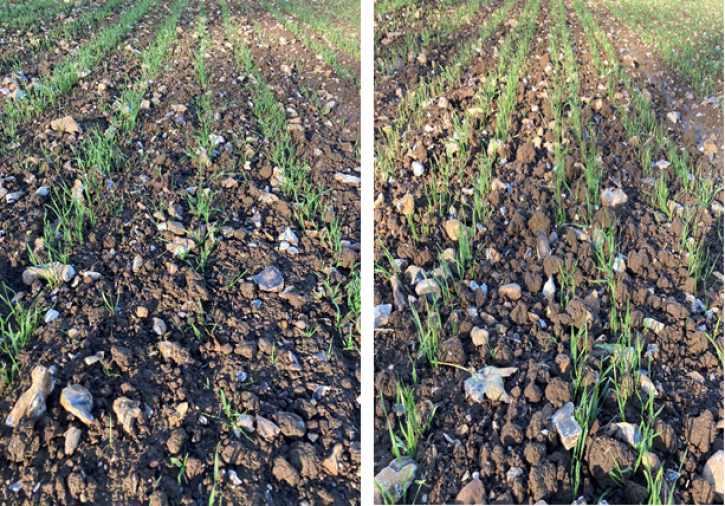
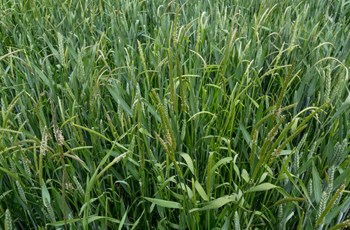
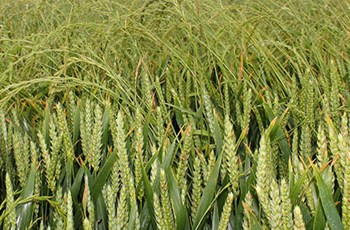
Unsprayed field Proclus + Liberator + Defy
Ben left the sprayer uncleaned after applying Proclus for 4 days and found a film around the tank which needed pressure washing out. We followed the Bayer instructions and put 600 litres of clean water through it every night without fail and suffered no application problems. Apart from that all good.
We would like to use optional cookies to better understand your use of this website in order to improve our website. Your consent also covers the transfer of your Personal Data in unsafe third countries, especially the U.S., involving the risk that public authorities may access your Personal Data for surveillance and other purposes without effective remedies. Detailed information about the use of strictly necessary cookies, which are essential to browse this website, and optional cookies, which you can reject or accept below, and how you can manage or withdraw your consent at any time can be found in our Privacy Statement