Make pre-em applications count against black-grass

Posted 6 years ago
13/10/2020
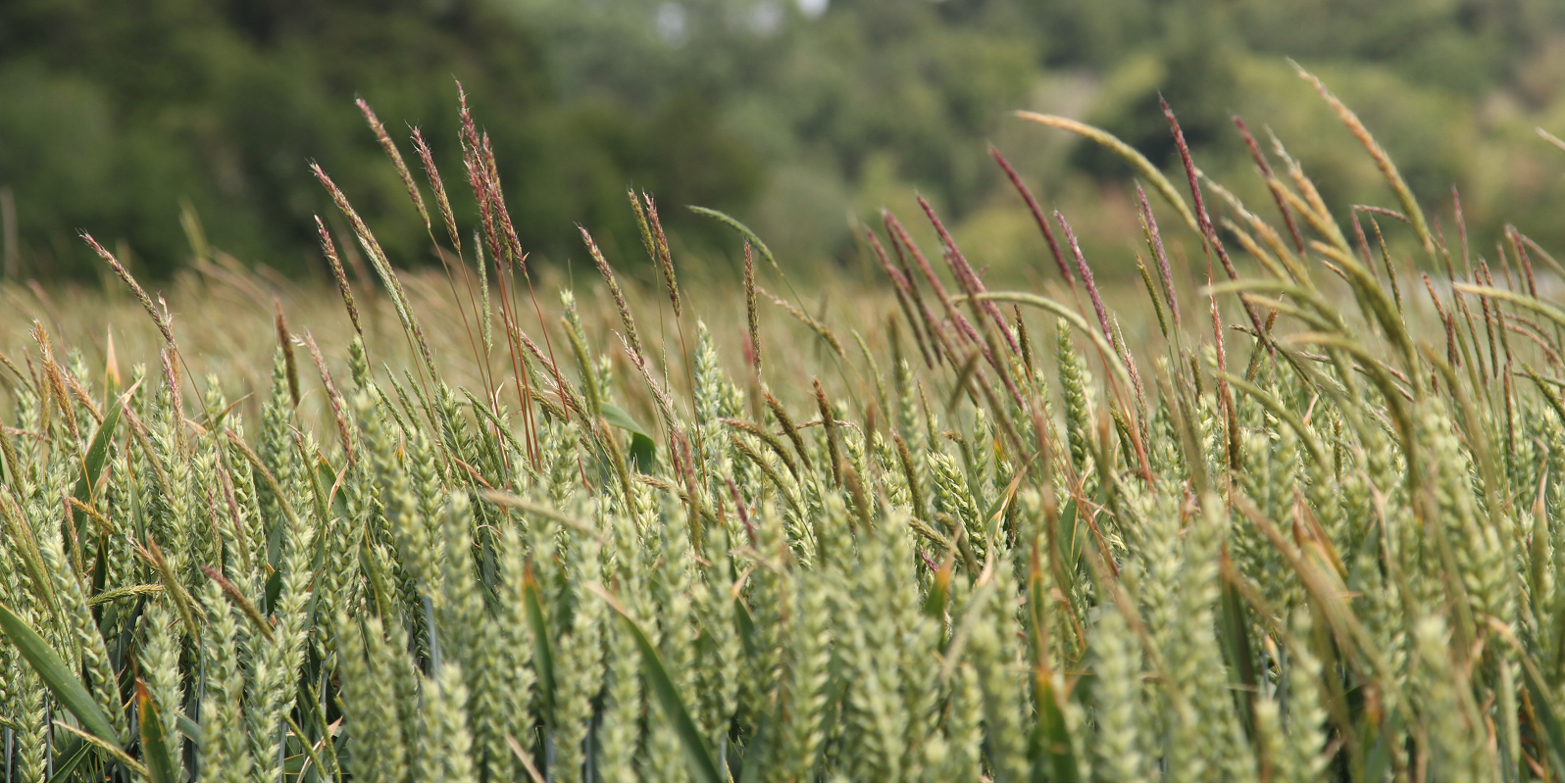
With drier conditions forecast, the next week or so will be absolutely vital for wheat establishment and black-grass control.
Wet weather put a stop to field work in many places in early October. Arrival of the rains is beneficial in providing moisture to stimulate black-grass germination. Following a significant flush, take the opportunity to use an application of pre-drilling Roundup to reduce numbers ahead of drilling the crop
However, wet conditions and seedbeds put pressure on drilling schedules which can lead to pre-em applications being rushed or missed entirely. Ensuring that crops are treated at the true pre-em timing should remain a priority even when there is still lots to drill.
“Liberator (flufenacet + diflufenican) performs better and more consistently at the true pre-em timing. If bad weather is forecast, it’s easy to push on with the drill but not leave time to spray which makes things easy for black-grass and other weeds to get established in the crop,” says Bayer’s Darren Adkins.
Mr Adkins emphasises that when applying pre-ems, good application technique is vital to get consistent coverage of the soil surface so the herbicides can control weeds as they germinate.
Black-grass control has been improved on one Cambridgeshire farm through a partnership between Sentry Farming and Bayer.
A series of application studies looked at sprayer set up and nozzle choice, and resulted in Ed King of Wood Farm, Chatteris alternating nozzles to improve pre-em spray pattern. He is using forward facing Defy 3D nozzles with a standard flat fan at alternate 25 cm spacings. “It’s a win win situation. I’m using 0.4 nozzles at a water volume of 300l/ha which is allowing me to maintain travel speed and achieve a fine spray. Effectively I’m working at a 0.8 nozzle water volume rate but getting droplet size and pattern of a 0.4 nozzle.”
With triple R resistant black-grass pre-ems are his best chance of controlling the weed. That nozzle pairing works particularly well in challenging seasons, such as last autumn. The finer pattern improves black-grass control in cloddy soils. “It is in those conditions where pre-em control can be particularly compromised, but the better pattern improves coverage,” he notes.