Check germination to stay in control of black-grass

Posted 6 years ago
21/09/2020
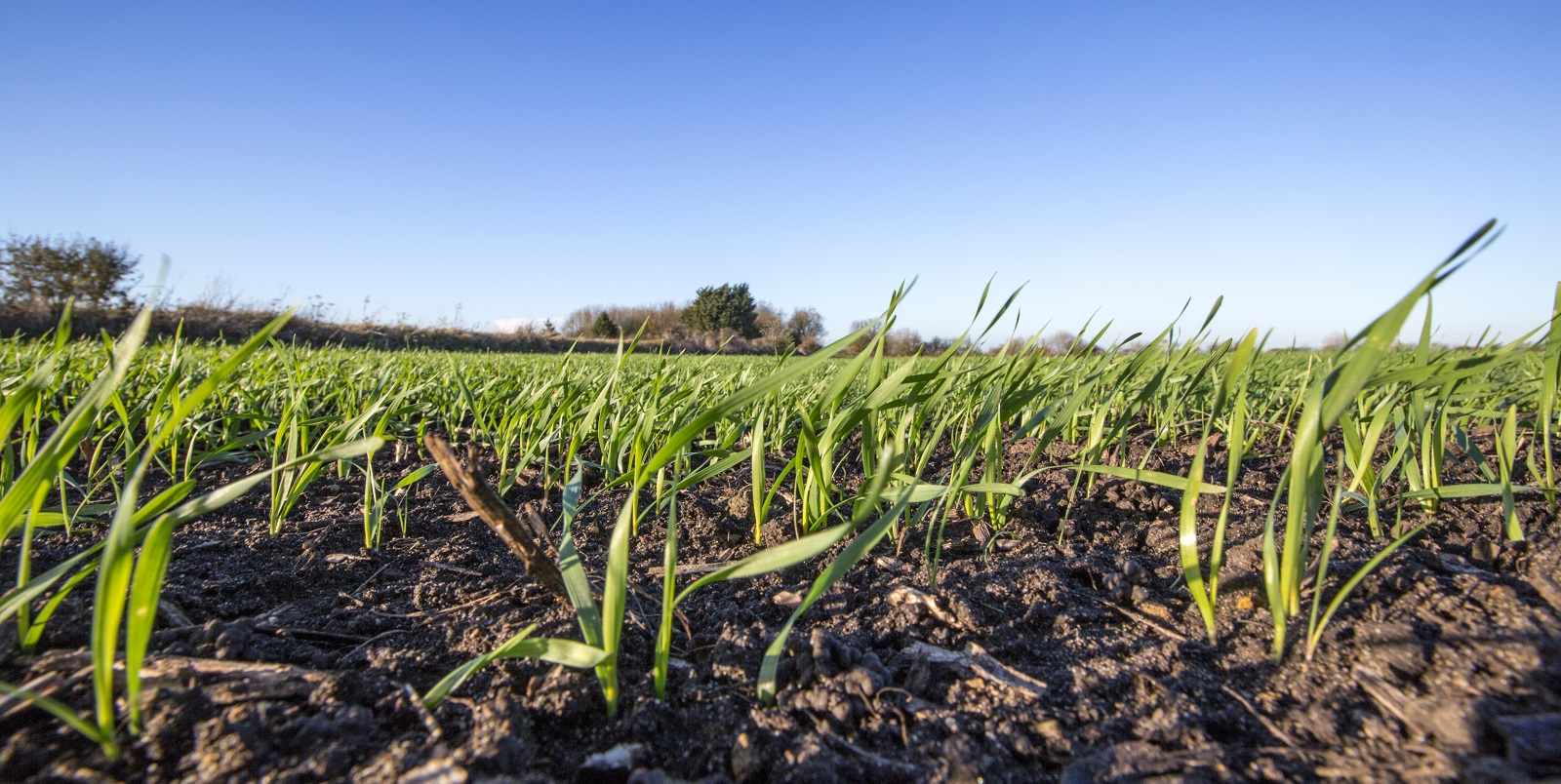
Patience is essential at this time of year to get the best control of black-grass in wheat. Delayed drilling relies on waiting until the main flush of black-grass has passed.
“Black-grass has short innate dormancy and we can always expect the main flush of black-grass to come during late September or October,” says Bayer’s Darren Adkins. Dormancy forecast are of limited value because the exact timing of black-grass germination depends on a number of factors.
“Moisture levels and cultivation all influence black-grass germination, general forecasts and measures of dormancy obscure the large amount of natural variability in black-grass germination within and between populations.”
In addition, all but the shallowest cultivation brings seed to the surface that was shed in previous seasons which further confuses any dormancy prediction.
The best option is to get into the field and monitor black-grass germination from late September onwards. But farmers shouldn’t be too quick to spray off and drill even once germination has started. Make sure the main flush has passed before getting on with fieldwork.
“The simplest way to avoid significant black-grass germinating in the crop is to wait until at least the 15th October before drilling. Obviously, many farmers have a lot of ground to cover and are understandably wary of the weather because of last autumn. So careful monitoring of germination can help them pinch a few more days instead of going by the calendar date.”
To keep track of black-grass germination across the country, Bayer is asking farmers and agronomists to post images using social media to #BlackgrassMap and also quickly log when they have seen black-grass germinating for a map that we will update daily.
 |
21 September - 27 September |
 |
28 September - 4 October |
 |
5 October - 11 October |
 |
12 October - 18 October |