Crop Genetics vs Chemistry: The Limits of Varietal Resistance
A diminishing fungicide armoury and tight crop margins are putting more focus on varietal resistance for disease control. But can genetics ever replace chemistry?
Varietal resistance is important for risk management given limited chemistry
Use genetics alongside fungicides, drilling date and other cultural controls
Resistant varieties offer spray timing flexibility and possibility to reduce inputs in some situations
Many new varieties have come to market promising improved septoria resistance, high yields and some, like KWS Extase bring good grain quality.
As fungicide options, such as chlorothalonil (pxx) are lost to regulation, and the efficacy of other actives is eroded by resistance, these varieties are rightly attracting more interest.
Integrating varietal resistance with existing chemistry: Trial results
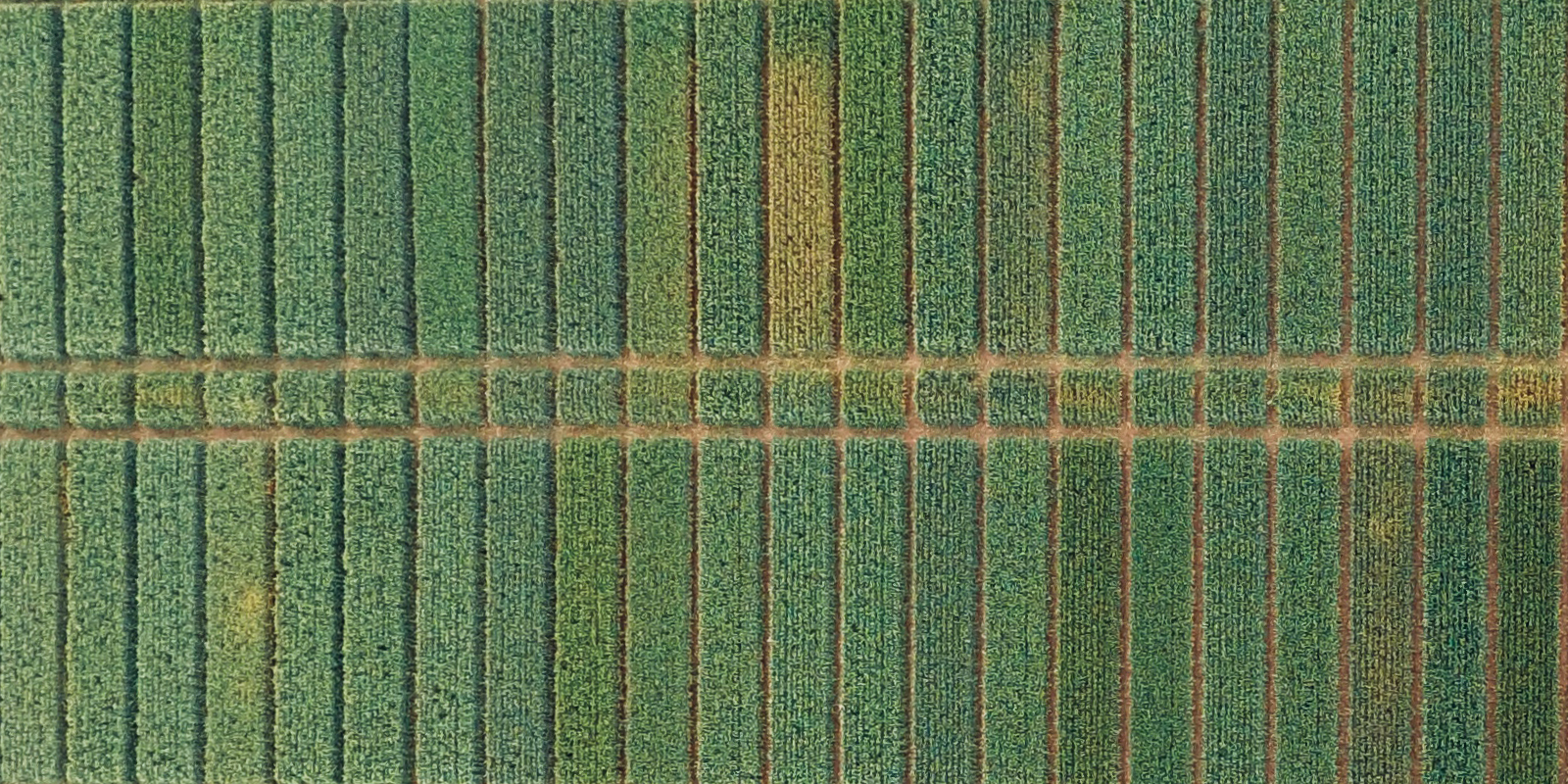
Understanding how best to integrate varietal disease resistance with existing chemistry was the focus of a Bayer and KWS trial at Callow in Herefordshire last season.
Seven KWS varieties with septoria scores from 4.3 to 8.1 were treated with different fungicide programmes that excluded the key multisite chlorothalonil and a T0 fungicide. T1 and T2 treatments were based around Ascra Xpro or Proline with Folpet, while T3s (where applied) included Proline and Comet.
High disease pressure proved a stern test for varieties and chemistry, and highlighted the complexities of choosing the best strategy.
Yellow rust skews results
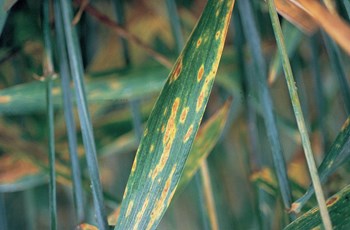
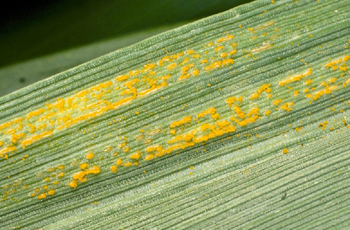
Although the trial focused on septoria tritici resistance, early yellow rust and late brown rust in some varieties shows it is impossible to consider diseases in isolation.
Early yellow rust was exacerbated by no T0 being applied.
“Without CTL, the T0 isn’t cheap, so from a septoria viewpoint you have to question its value, especially where crops are sown later, which reduces disease risk,” says KWS product development manager John Miles.
“While there may be scope to cut back the T0 and potentially invest in a more robust T1 and T2 instead, we’ve seen how quickly yellow rust can affect some varieties, so this should drive T0 decisions.”
High resistance ratings are often based on adult plant scores rather than juvenile plants, so even varieties with strong RL ratings can be affected by rust if infected before adult resistance kicks in, he notes.
“If you’re not growing one of the few varieties with juvenile resistance, be prepared for a yellow rust-targeted T0.”
The trials show including a triazole will benefit yellow and brown rust control. Bayer’s Gareth Bubb says applying a simple triazole or strobilurin-based T0, with a mildewicide if needed, could also reduce pressure on T1 sprays, especially in earlier-sown crops or susceptible varieties.
Septoria control
Analysing results for varieties less affected by yellow rust reveals a strong correlation between septoria resistance and fungicide yield response at Callow.
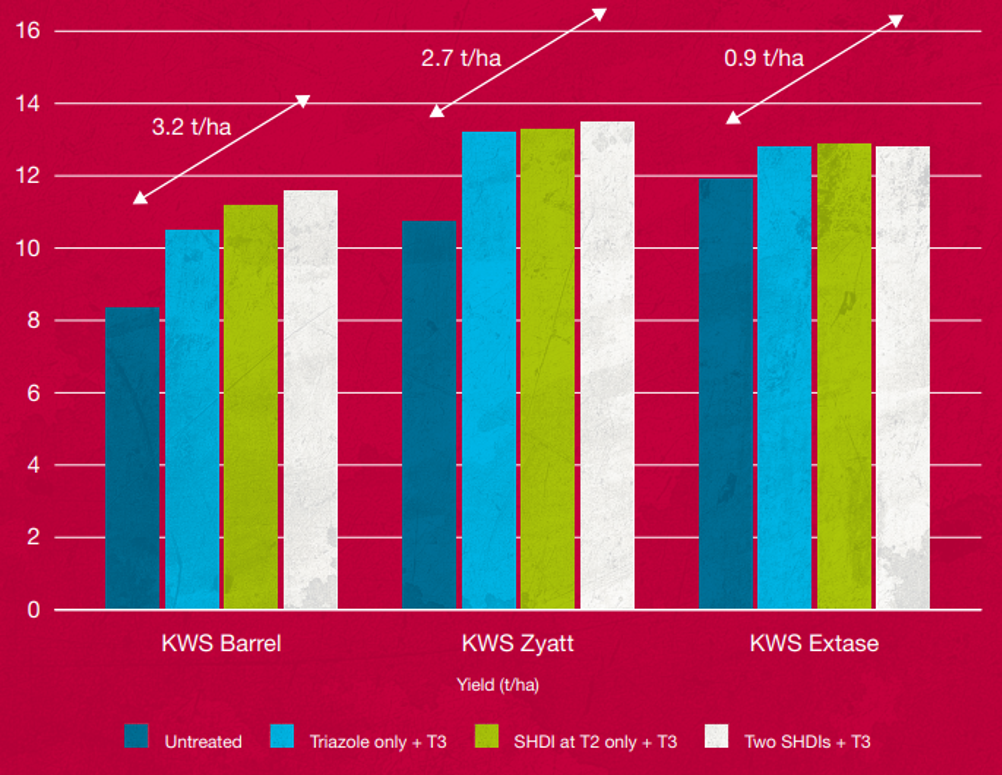
With a septoria score of 4.3, KWS Barrel gave the greatest response over untreated, at 3.2 t/ha for the full programme of Ascra Xpro plus Folpet at T1 and T2, followed by Proline and Comet at T3. In contrast, Extase, which has one of the highest RL septoria ratings at 8.1, yielded 0.9 t/ha more than the untreated under the same programme, with no significant difference between fungicide treatments.
Quoting his KWS colleague Bob Simons, Mr Miles says growing a resistant variety like Extase is “almost like having another multisite in the tank” so could offer cost savings.
Indeed, in this trial Extase showed no difference in yield response between the full SDHI-based programme and the non-SDHI approach, based around Proline and Folpet/Comet at the three timings.
“Such an approach might be enough in some situations, but relying on one type of chemistry isn’t good for managing fungicide resistance.”
Mr Bubb agrees. “Varietal resistance is brilliant, but we need to use it sensibly as a risk management tool. There may be opportunity to reduce inputs on more resistant varieties, such as not applying an SDHI at T1, but cost-savings shouldn’t be the driver.
“One main benefit from varietal resistance is to buy more time around key spray timings and help prioritise fields to treat first.”
Mixing up modes of action still essential
Using a range of chemistry with different modes of action remains vital for fungicide stewardship, and helps protect genetic resistance, especially as weather, disease pressure and the races present in the field, can be unpredictable, he says.
“Genetics and chemistry must be used in tandem; too much emphasis on either one will break the chain.”
Mr Miles notes that some varietal disease resistance may rely heavily on a single gene, which is equivalent to using a fungicide with one mode of action. Others, including Extase, feature multi-gene resistance, which may be more resilient, but both types will benefit from some chemical protection.
“Growers might try to grow resistant varieties very cheaply, but that’s not sustainable for protecting genetic resistance; all it does is ramp up the selection pressure on that resistance mechanism.”
SDHI and T3 benefits
While there was a smaller yield benefit from SDHIs in the most resistant varieties, the chemistry still plays a crucial role.
“We saw a massive impact from multisites on septoria last year and without Folpet, I suspect we’d have seen a bigger benefit from the SDHI,” says Mr Miles.
SDHIs also clearly improved green leaf area and reduced brackling. The most effective treatment was Ascra at T1 and T2.
SDHIs offer better curative disease control and greater persistence than triazoles, which will be essential in higher disease pressure situations and where Septoria and brown rust develop later, says Mr Bubb.
This is particularly true if growers plan to just use an azole and multisite at T1, and not apply a T3, thereby putting extra focus on a robust T2.
Mr Miles says there was an average yield benefit of 0.4 t/ha from the T3 in last year’s trial, so growers should think twice before omitting it, even when growing a variety like Extase, which showed a 0.5 t/ha benefit from the T3 in a Proline-based programme without SDHI.
We would like to use optional cookies to better understand your use of this website in order to improve our website. Your consent also covers the transfer of your Personal Data in unsafe third countries, especially the U.S., involving the risk that public authorities may access your Personal Data for surveillance and other purposes without effective remedies. Detailed information about the use of strictly necessary cookies, which are essential to browse this website, and optional cookies, which you can reject or accept below, and how you can manage or withdraw your consent at any time can be found in our Privacy Statement