Opinion: Ben Coombs
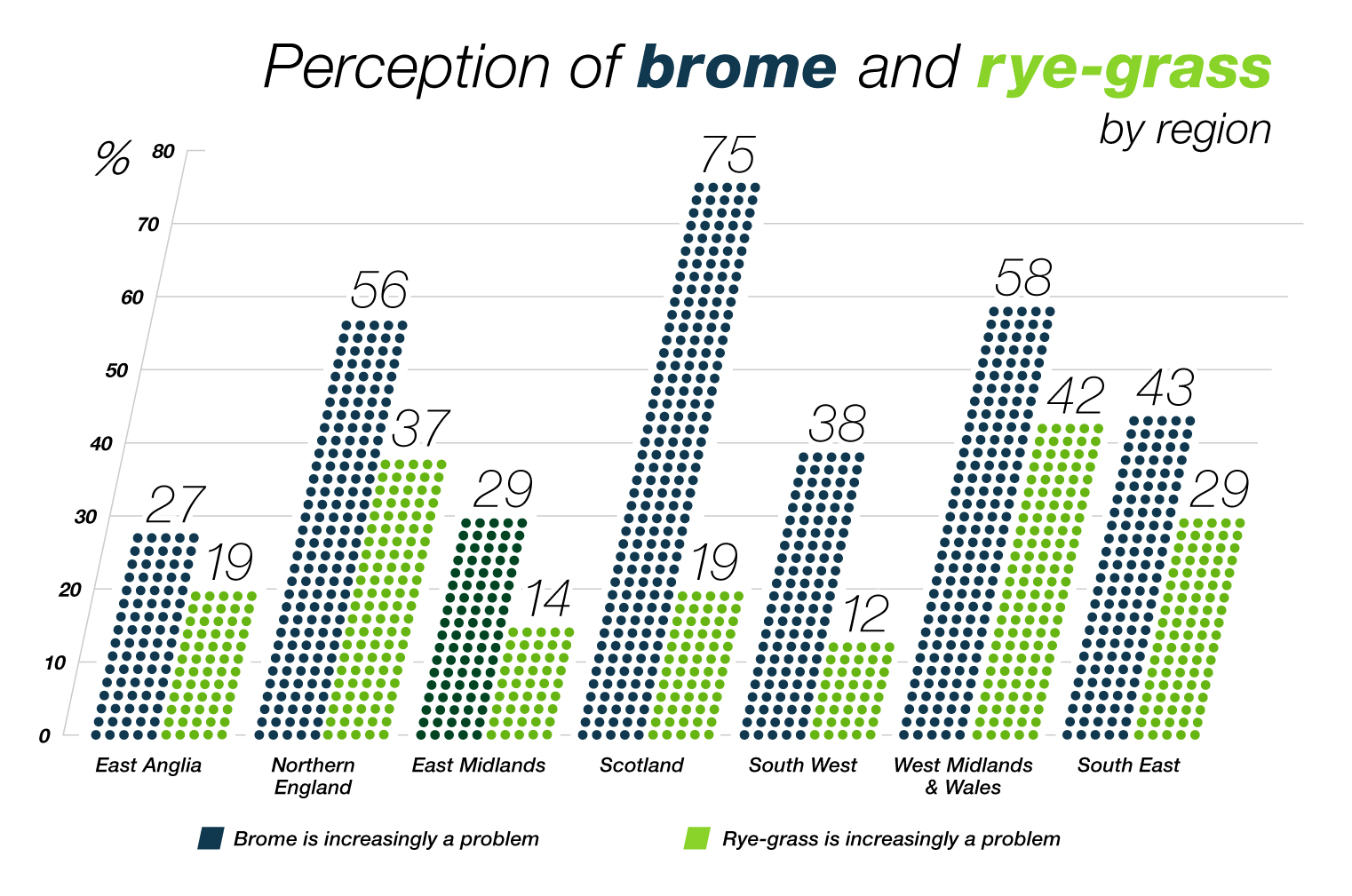
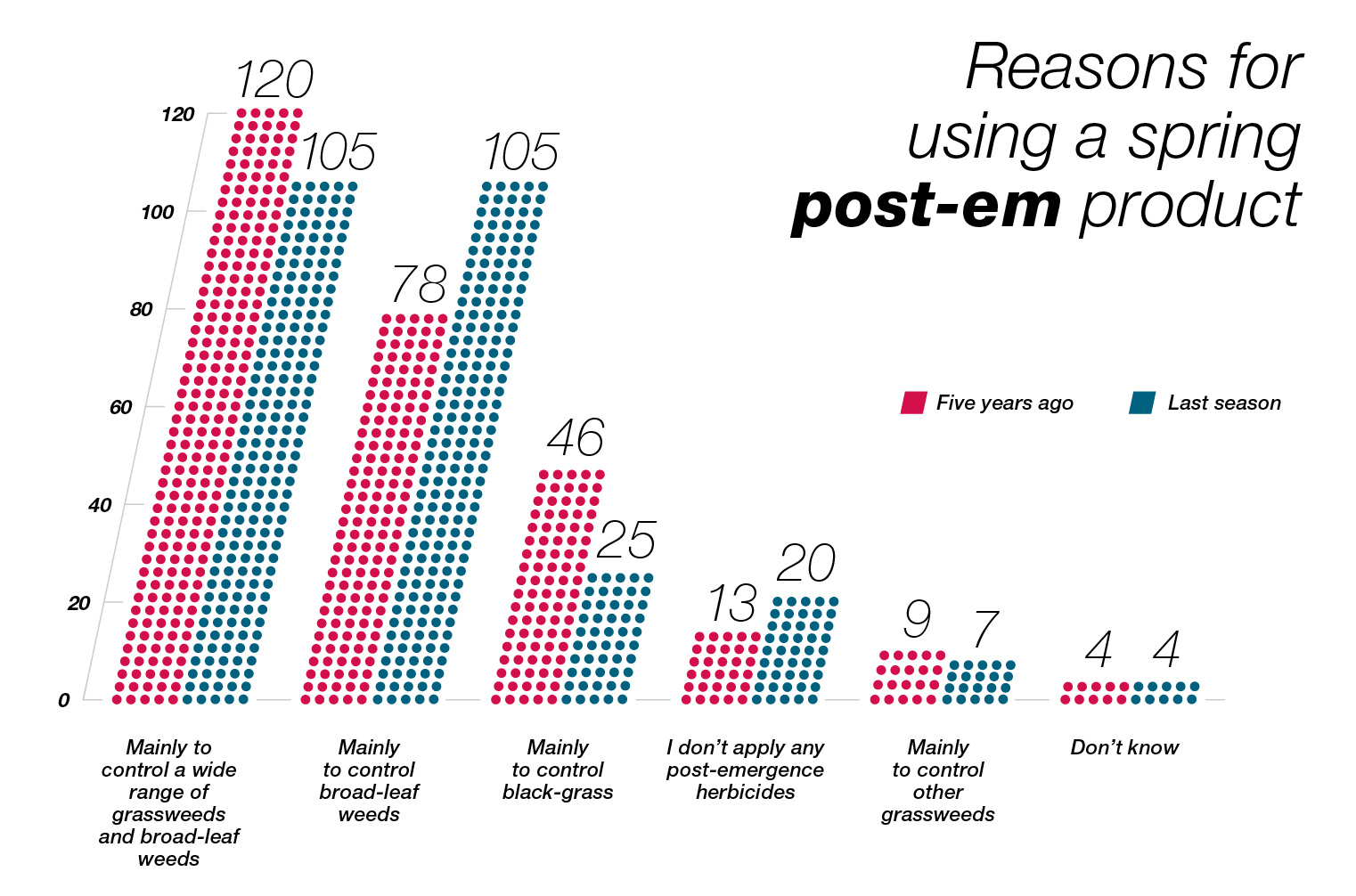
The results of this survey back up reports we have got in from the field about the changing shape of spring weed control. The shift has been subtle but it’s definitely there. Brome and rye-grass are adding to the grass weed burden in many situations and broad-leaf weed control in spring is now very important.
Cultural control and herbicide methods have changed to manage black-grass, and this has created situations where other weeds can flourish. I think the reduction in use of post-ems following resistance concerns has been vital in causing other weeds to rise to prominence. Products like Atlantis (mesosulfuron + iodosulfuron) also did a good job on several other weeds that now require specific control if no black-grass post-em is applied.
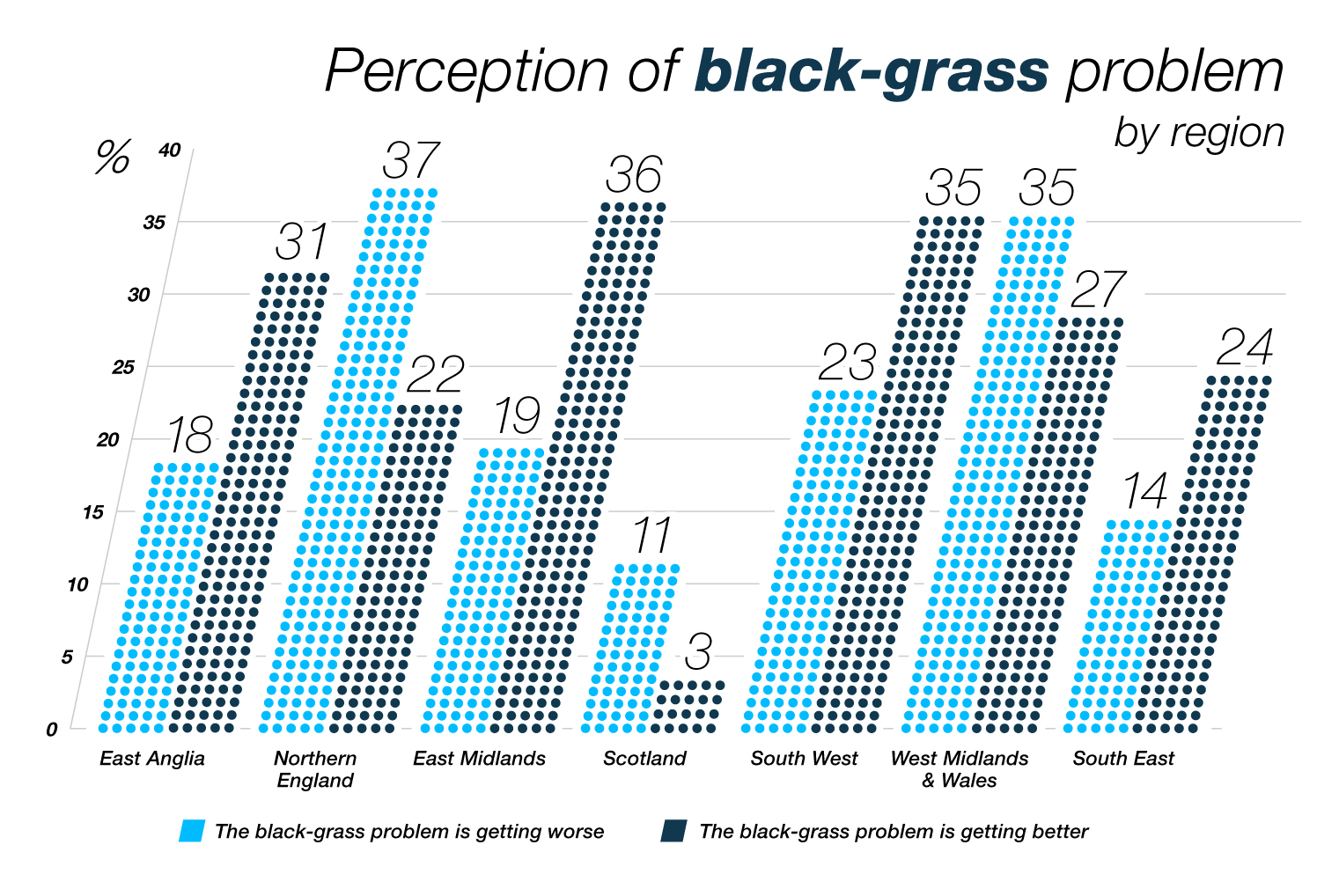
Of course, there are huge regional variations and I was particularly interested in how farmers in the West and North seem to be more concerned about increasing grass weed problems whereas those in the East are used to it and are even feeling optimistic. We are already looking at what the West can learn from the East in our Black-Grass Task Force In Action project and these results underline that there is lots of interest in this work.
Looking at this season in particular, we all know autumn was difficult and many wheat crops didn’t get a pre-em or are poorly established so spring weed control will be absolutely crucial to nurse these crops through to a decent yield. To help farmers, we have a new product available this year Pacifica Plus (mesosulfuron + iodosulfuron + amidosulfuron). It has all the grass weed control of Pacifica coupled with broad-leaf weed control from amidosulfuron. As a single product co-formulation, we envisage it being a simple one product solution to the mixed spring weed situations we are now seeing.
Ben Coombs is Combinable Herbicides Campaign Manager for Bayer