Focus field 2019–2020
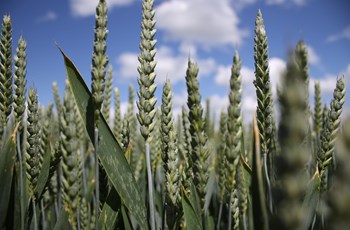
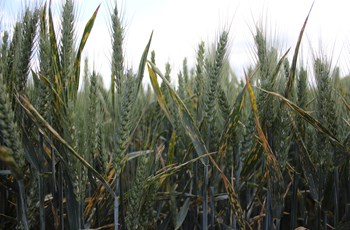
The focus field is currently a winter wheat crop due for harvest in August 2019. Headcounts conducted by Bayer show that black-grass is at ‘low’ levels of 5–30 heads/m2 in specific areas of the field while the rest is nearly clean and can be hand-rogued.
Typically, spring beans would follow the winter wheat crop with a cover crop used beforehand. However, poor results from spring beans this year has left Mr Williamson open to other options for a spring established crop as he does not intend sow another winter cereal and the harvest is usually too late for good oilseed rape establishment.
Following discussions with Mr Wright and Mr Cussans, the decision was made to grow spring oats preceded by a simple rye and spring bean cover crop. “Spring oats are a competitive crop plus we have grown and sold them successfully in previous seasons. I think that establishing the cover crop might be the difficult part, it will depend on harvest date and conditions so I can’t say immediately how I will do it.”
The purpose of the cover crop is to protect the soil over winter and reduce waterlogging to allow spring drilling at the optimum timing. The cover crop is intended to be fairly open so that weeds germinate and can be destroyed prior to drilling in spring.

In addition to the cover crop, Mr Wright recommended doing some soil loosening using a grassland sward lifting machine within the cover crop. The idea is that it will help reduce any compaction and allow the cover crop rooting to be more effective in improving soil structure. To measure the effectiveness of soil loosening the plan is to do a strip trial.
After the cover crop is established, the whole field will be assessed by looking at establishment and digging inspection pits. If there is evidence of compaction, the whole field will be loosened except one strip to compare the difference. Conversely, if the soil is in good condition across the field, one strip will be loosened to see if it has any benefit compared to no loosening.
We will get an update on how the focus field is shaping up at around the time of wheat harvest.
Preventing drill tractor compaction
According to Philip Wright, preventing compaction caused by the drill tractor is an important step for black-grass control. Compacted soil tends to favour black-grass over the crop and will have poorer yield even without any weed competition. Tyre pressures and proper ballasting are vital. Tyre pressures below 1 bar (14.5 psi), ideally 0.8 bar (11.6 psi) are very important in preventing any compaction. Later in the season, the plan is to invite a specialist from Michelin to work with Andrew on tyre pressures.
‘Lucerne’ corner
One corner of the field has high levels of black-grass and numerous wheelings which affect the competitiveness of the crop. The plan is to manage this corner separately from the main crop by sowing it with lucerne for two seasons which can be baled and sold to livestock farmers. After two years, the corner will be brought back into the main rotation for the oilseed rape and wheat crops which are typically the most profitable.