Crop progress
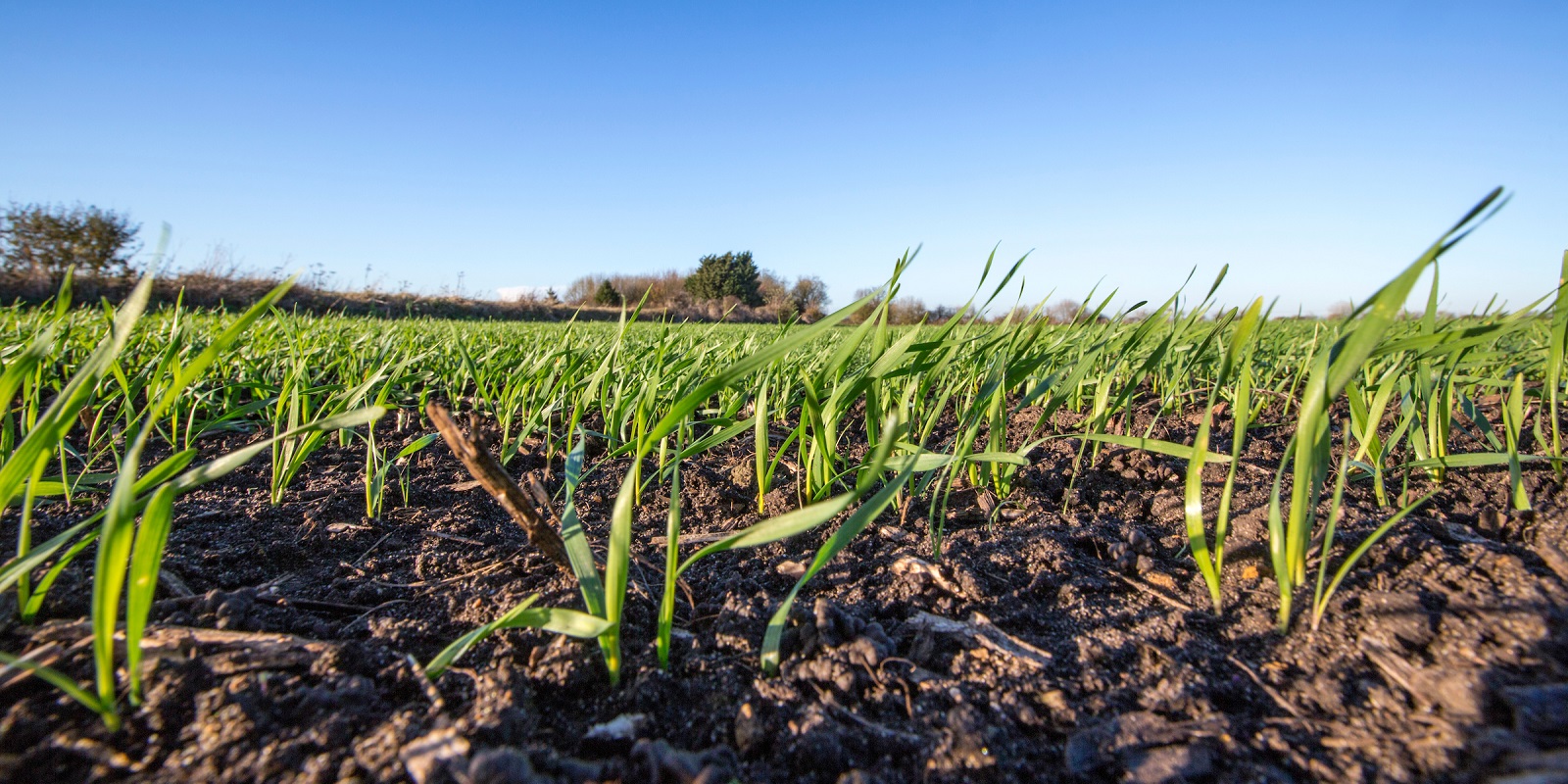
Across the South, it has been a dry autumn so far, which has been handy for the maize harvest, ensuring a timely harvest with minimal soil damage. In areas without blackgrass, from west Somerset and into Devon and Cornwall, it has allowed all winter cereals to be drilled up easily and in good time.
From east Somerset to Kent, where blackgrass is more problematic, the dry conditions have meant that it has been difficult to get a blackgrass flush to spray off ahead of wheat drilling. However, the good conditions have allowed growers to delay wheat drilling into late October and helped with pre-drilling control.
There are some big oilseed rape crops across the region, but it is now too late to manipulate crop size with plant growth regulators. Cabbage stem flea beetle damage has moved further west this year, but in many cases across the whole of the south, very dry soils have been more of a hindrance than the pests. Some crops have been re-drilled after one or other of the problems.
Tim’s agronomy tips for November
- Don’t let phoma and light leaf spot creep in to OSR crops
Despite the AHDB Rothamsted Phoma prediction scheme predicting Phoma thresholds of 10% affected plants would be reached three weeks earlier than last season, many crops are only just approaching thresholds in the first week of November. Be aware it can be only a few days for 10% of plants affected to very high levels of infection. Growers should take the opportunity to apply a fungicide with November propyzamide applications to control the disease and suppress any light leaf spot infection in the crop. A 0.46L/ha rate of prothioconazole will give best results.
- Remain vigilant against aphids in cereal crops
Where a Redigo Deter (prothioconazole + clothianidin) seed treatment has been used in winter cereals, crops drilled at the end of September and beyond shouldn’t be at risk from barley yellow dwarf virus (BYDV) transmitted by aphids. We have also had some hard frosts in late October, which will further reduce the risk.
However, if there is a return to milder conditions it is important to check crops for the pest, particularly in coatal areas. Use a T-Sum of 170 accumulated day degrees above 3C to guide timing of pyrethroid applications where needed. The start point for calculations is from emergence in untreated crops and about 8 weeks post-drilling for Redigo Deter-treated crops.
- Don’t make knee-jerk reactions with post-emergence herbicides
Full rate pre-emergence herbicides such as Liberator (flufenacet + diflufenican) in mix with actives like prosulfocarb will be a great start to grassweed programmes for weeds such as blackgrass and ryegrass. However, bear in mind that these herbicides are taken up by the roots. Where grassweeds are coming through in the crop, they may take time to die, so don’t make panic and make knee-jerk reactions with post-emergence applications.
- Keep on top of grassweeds with residual and contact herbicides
Where fields do have bad blackgrass, a further residual herbicide top-up of 0.3L/ha of Liberator will be wise. This will be effective on blackgrass up to 1-leaf, but if the target is 2-leaf or larger and daytime temperatures are still warm enough, Atlantis (iodosulfuron + mesosulfuron) can be mixed in with it to improve control.
- Consider Atlantis for early sterile brome control
For sterile brome, autumn-applied Atlantis can do a good job, despite it not being a label weed. However, the product needs to catch the weed when small and after a good pre-emergence programme has been applied. If growers have missed their pre-emergence timing, don’t delay the application until it can be mixed with Atlantis. Get on with the residual and apply the Atlantis once the weed is at the 2-leaf stage.