North: OSR disease and grassweeds are top targets this month
Protecting oilseed rape crops against light leaf spot and tackling problem grassweeds are top priorities across the North of England this November, say Sean MacGill.
Sean MacGill
Posted 8 years ago06/11/2018
At a glance
This month’s key messages
Use the Bayer/ADAS SpotCheck service to gauge light leaf spot risk in OSR
Apply a prothioconazole-based fungicide in November to protect against LLS
Additional residual herbicide application can maintain grassweed control in wheat
Use Atlantis OD to target ryegrass and brome emerging in wheat crops
Apply contact herbicides by mid-November for best results
Crop progress
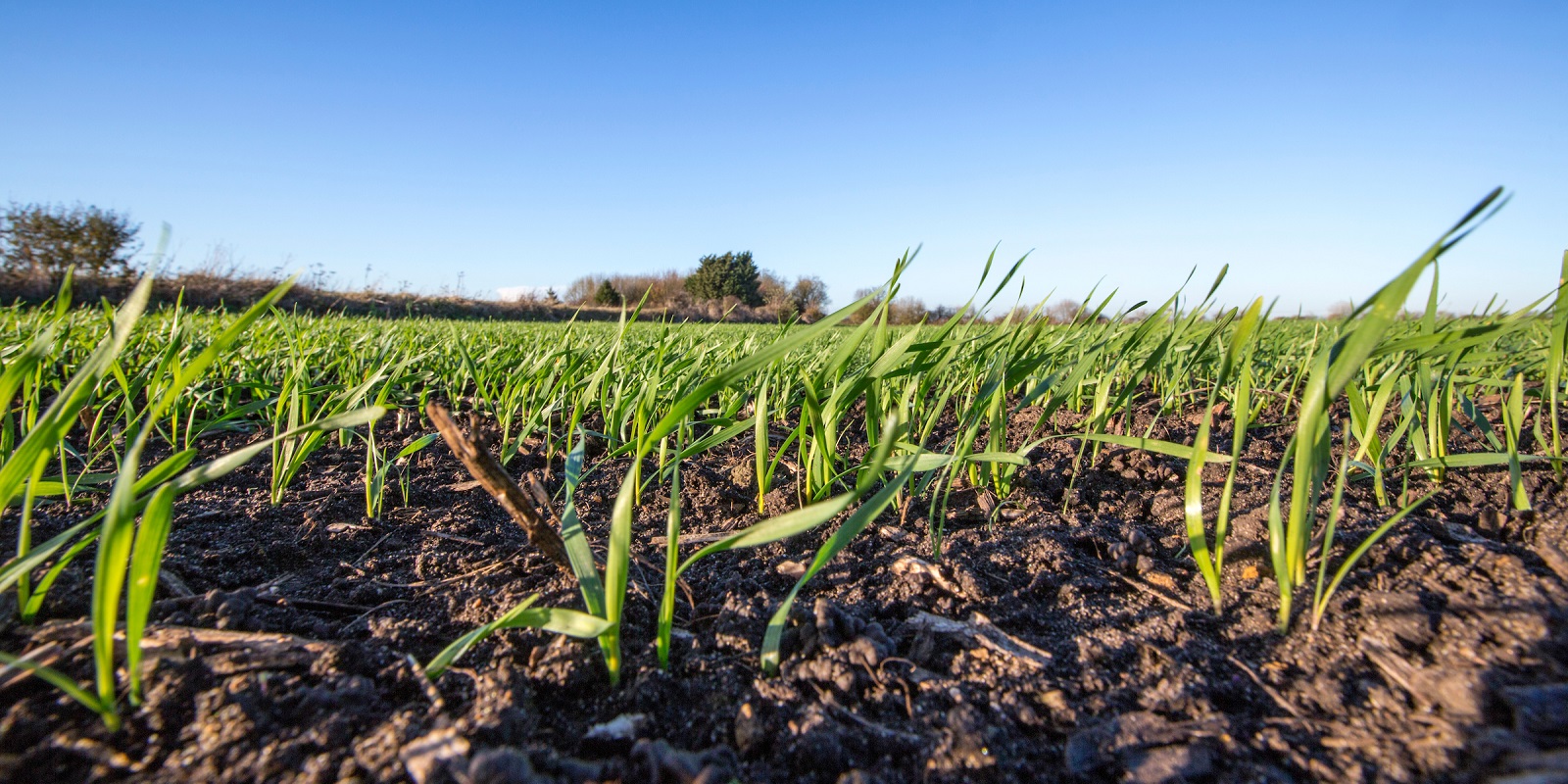
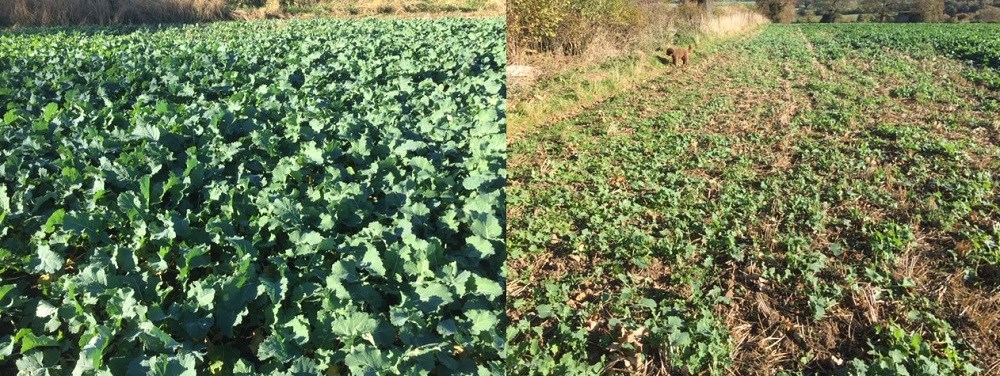
Winter wheat drilling was almost complete across northern England by the end of October, except in some areas of East Yorkshire where blackgrass is more hostile. Those that forced seed-beds in dry conditions and drilled early have paid the price, with pre-emergence herbicides having had varying success where applied in sub-optimal conditions. There are reports of ryegrass and bromes emerging in treated crops. Oilseed rape drilled early looks good, although some crops are perhaps a little too thick coming into the winter. Later-drilled crops did struggle early on, but they will all make it now and should yield as well as any next year.
Early drilled and lush Late drilled and thin
Sean’s agronomy tips for November
Use SpotCheck to calculate disease risk in OSR
Many oilseed rape crops have not yet received a fungicide. As the available fungicides to control light leaf spot – the number one disease in the North – are protectant, it is important to try and apply ahead of disease symptoms appearing. One way of finding out how much latent disease is in the crop is using the Bayer and ADAS SpotCheck initiative. Samples sent to ADAS Rosemaund will be tested for presence of disease and provides a valuable tool for timing fungicides correctly.
Apply an OSR fungicide to protect against light leaf spot
Where there is risk from light leaf spot, an application of at least 125g/ha of prothioconazole should be applied in mid-November to hold the disease at bay until spring. This protects against both light leaf spot and phoma and the addition of tebuconazole can further bolster light leaf spot activity. Application may well coincide with the propyzamide herbicide timing, which is compatible in a tank mix with all prothioconazole-based products.
Top up residual herbicide activity in winter wheat
Now that more moisture is available in the soil, topping up the residual herbicide loading in wheat crops should give good grassweed control results. This can be done with a 0.3L/ha application of Liberator (flufenacet + diflufenican), which will continue to catch any late germinating seedlings.
Use a contact herbicide to tackle ryegrass and brome
High levels of ryegrass and bromes emerging in some early-drilled wheat crops have triggered several enquiries about how to address the problem. An application of 1.2L/ha of Atlantis OD (iodosulfuron + mesosulfuron) plus Biopower gives the broadest spectrum of grassweed activity and controls annual meadow grass, too. There are varying levels of ALS-inhibitor resistance in ryegrass populations, but if targeted when the weed is small, Atlantis can still give good control where resistance is present.
Maximise efficacy of post-emergence contact herbicides
As temperatures fall through November, so will the potential efficacy of contact-acting herbicides such as Atlantis. Depending on weather, mid-November is likely to be the cut off for application. Until then, there are several tricks that can help maximise performance, which include spraying in the middle of the day in bright, sunny conditions and targeting a dry leaf where possible. Also, use a fine to medium spray quality, low boom height and steady forward speed.
Sprayer operators should avoid frosty mornings, as this may lead to increased crop effect from the herbicide.
We would like to use optional cookies to better understand your use of this website in order to improve our website. Your consent also covers the transfer of your Personal Data in unsafe third countries, especially the U.S., involving the risk that public authorities may access your Personal Data for surveillance and other purposes without effective remedies. Detailed information about the use of strictly necessary cookies, which are essential to browse this website, and optional cookies, which you can reject or accept below, and how you can manage or withdraw your consent at any time can be found in our Privacy Statement