Six insights into June and July agronomy tasks
Tom Sowerby takes a look at latest crop progress and gives some thoughts on remaining agronomy tasks for June and July

Tom Sowerby takes a look at latest crop progress and gives some thoughts on remaining agronomy tasks for June and July
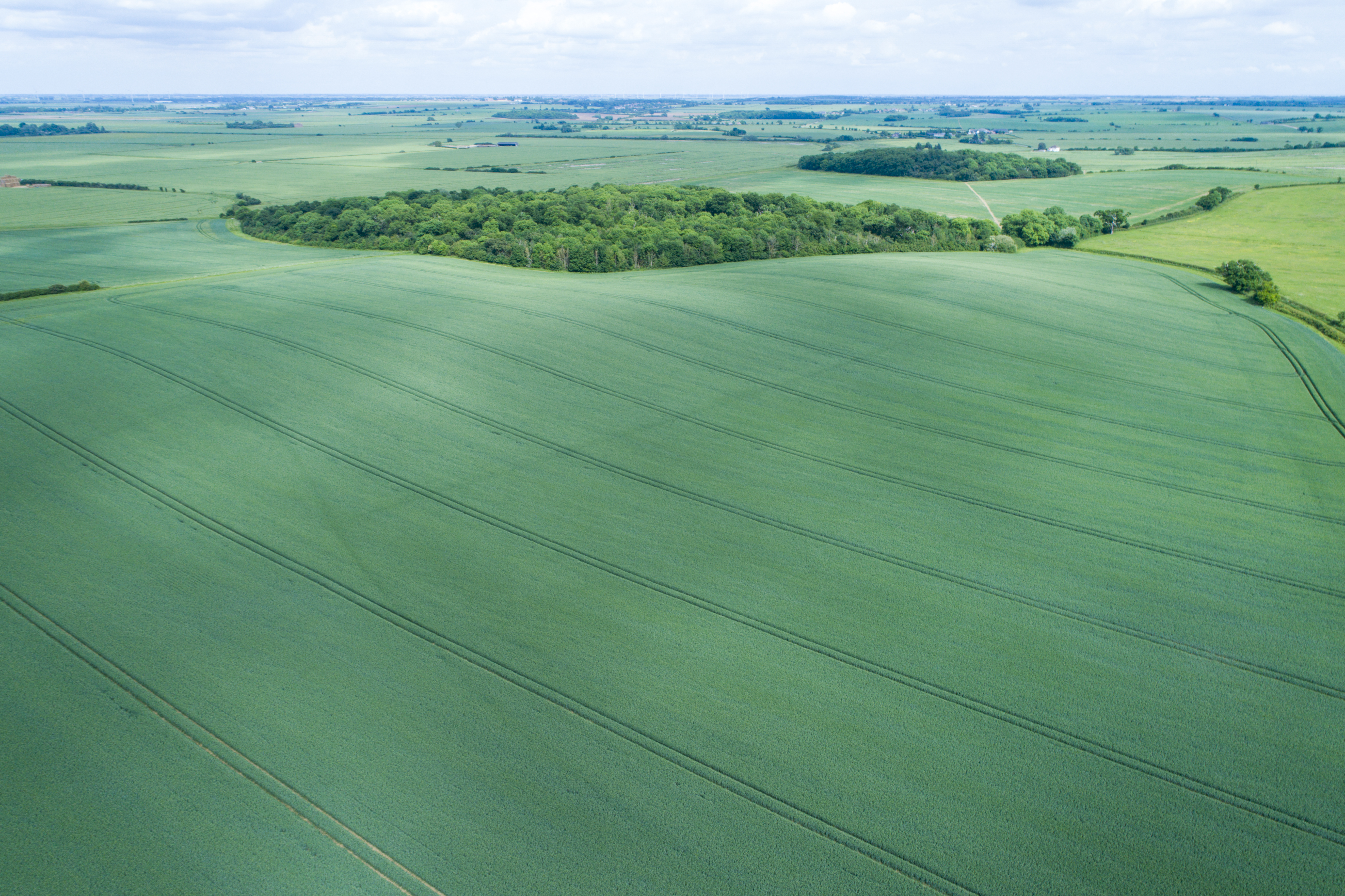
Growers managed to catch up with field work as the weather improved during May. Flag leaf sprays in wheat have started with most due in the week leading up to the last bank holiday of the month.
Septoria has been bubbling away in wheat, but leaf three generally looked cleanish at that point, although the cooler weather we’ve had up until now perhaps has slowed it down.
Potato planting and sugar beet drilling, while late, have been continuing at pace. Potato planting should be just about finished by the end of the month. At least when they have finally been planted it has generally been into decent seedbeds.
1) Consider using a SDHI fungicide at T3
With the addition of Univoq (fenpicoxamid + prothioconazole) or similar products to the fungicide armoury, it means some growers might not have used their allocation of two SDHI-containing fungicides before T3. That opens the possibility of using a SDHI fungicide, such as Aviator (bixafen + prothioconazole) as the ear spray.
Disease pressure, especially Septoria, has been high this season and I can see growers considering using a robust T3 to provide some foliar disease top up, as well as Fusarium and other ear disease control.
Aviator at 0.75 L/ha to 1 L/ha would cover all those diseases, although you may need to add some cheap tebuconazole or prothioconazole at the lower dose if Fusarium is high risk. While that is quite an expensive ear spray, it should be worthwhile especially if the weather remains as unsettled as it has been earlier this spring.
Where two SDHIs have already been applied, then 0.55 L/ha of Proline 275 (prothioconazole) potentially with either tebuconazole or a strobilurin to boost brown rust control if needed, is the choice. This will be good on traditional ear diseases, but less strong as a foliar disease top up. Aim for early to mid-flowering (GS63-65) if targeting Fusarium, especially.
2) Protect spring barley from disease
Spring barley is looking fairly decent and is rushing through growth stages as we approach the end of May. Where T2s haven’t yet been applied, they will be imminent. The flag leaf spray in spring barley tends to be the more responsive timing for fungicides, unlike winter barley.
If you have saved your one application of Ascra (bixafen + prothioconazole + fluopyram), then this is the time to use it at 0.7 L/ha. It covers all the main barley foliar diseases, and has more activity against Ramularia than most alternatives.
Where it has been used at T1, then Siltra remains a good alternative choice, potentially with the addition of a multisite fungicide to boost Ramularia suppression.
3) Monitor oilseed rape carefully for desiccation timing
Oilseed rape looks to be 10-14 days behind this year, so be careful when considering when to spray it off before harvest. It can be tempting to rely on calendar dates for timing, but I think flexibility and patience will be key this year.
Spraying off too early has been shown to reduce yield and oil content, while increasing the risk of red seeds and rejections.
The best, if not the easiest, way of judging when crops are ready to be sprayed off is to sample pods. Don’t just walk to the edge of the field – you need to find representative parts of the field and then take a random sample of 20 pods from the main racemes.
When at least two-thirds of the seeds have turned from green to brown in at least 15 of the pods, you’re at the earliest correct timing of less than 30% moisture content for glyphosate applications. Full details can be found here on our website.
Using a Bayer branded Roundup improves both efficacy and speed of activity. If you’re targeting perennial weeds as well as harvest management then rates should be around 940-1080 g/ha of glyphosate.
Remember there is a statutory 14-day harvest interval and glyphosate cannot be applied to seed crops.
4) Look for autumn vigour in OSR varieties
Oilseed rape crops in the north look generally well, and we seem to have been hit less by cabbage stem flea beetle and rape winter stem weevil than those in the east and south.
While the price has come back a lot from last year, oilseed rape is a really good break crop and at least in this area growers seem to have confidence in growing it.
When it comes to variety choice for next season, autumn vigour remains probably the key requirement. Getting the crop drilled in good conditions and for it to get away quickly is crucial. Last year we were luckier than some in getting some moisture during August which helped those who drilled early.
On top of that other characteristics can be added as required – disease, turnip yellow virus, pod shatter, clubroot resistances or Clearfield herbicide tolerance, for example.
The Dekalb range of varieties provides options to pick what will best suit your system. DK Exstar, for example, is really strong all round variety with good light leaf spot, Phoma and pod shatter resistance combined with good autumn vigour.
5) Plan blight programmes
It’s worth planning out blight programmes to some extent. Products with tuber blight activity are more limited than foliar blight, while resistance is also becoming a factor to consider.
Infinito (propamocarb + fluopicolide) is one of the products with good tuber and foliar blight activity and is unaffected by any resistant strains. That means it can be used at different times within the programme to good effect, but you are limited to only four applications in a season, so it is worth mapping out when those might be best utilised.
If you’re growing a variety that is susceptible to Alternaria, such as Markies, then also consider using Caligula (prothioconazole + fluopyram). In EuroBlight trials it has performed very effectively against the disease. Remember it only control early blight so late blight will need to be controlled using alternative products.
6) Come to our Cawood Field Day
We’d be extremely pleased to see you at our Bayer Field Day at Cawood on 8 June. We have 38 untreated and treated wheat varieties and three blends to compare, plus other fungicide programme trials, including a look at our new SDHI fungicide based on Iblon technology. There’s also winter barley variety plots and the popular weed screen.
Ripon Farm Services, the local John Deere dealer, will also be demonstrating how Climate FieldView works on their sprayers, while AHDB will also be in attendance.