Four quick agronomy tips for February in Scotland
Grant Reid highlights four things Scottish farmers could be looking at in February

Grant Reid highlights four things Scottish farmers could be looking at in February
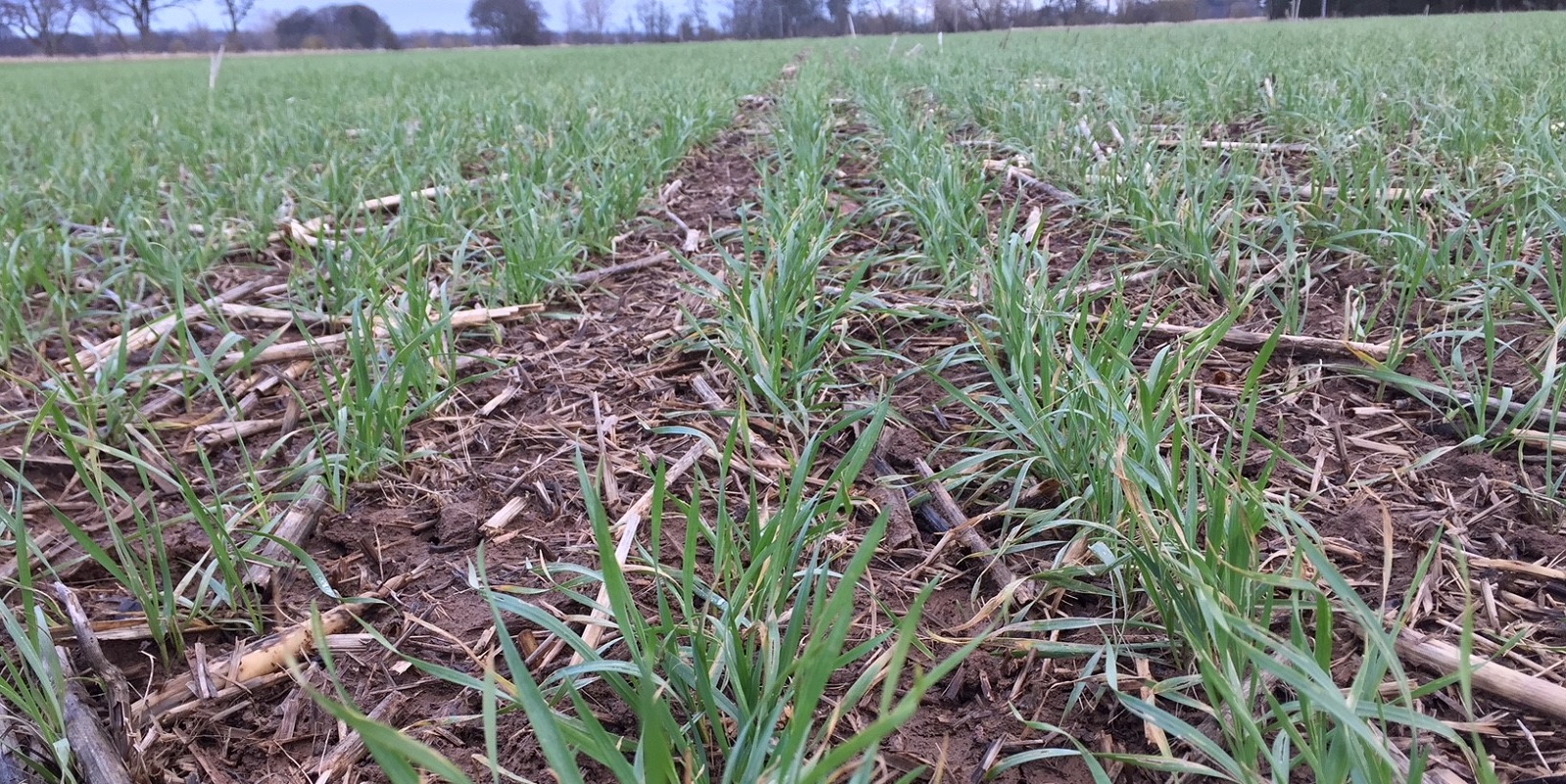
Cereal and oilseed rape crops have so far come through the autumn and winter well. It was a bit wetter around Christmas and into January, so some low-lying areas have been affected by waterlogging, while the recent cold snap has given oilseed rape crops a sore head and slowed growth a little. The latter is not necessarily a bad thing, and generally crops look to have good potential heading into the spring.
Most cereal crops had a residual herbicide this autumn, with the main exceptions likely to be later drilled crops after potatoes or crops on heavier land where growers wait to check for successful establishment.
This reduces the need for urgent weed control in February, but it is still a useful month to walk fields and assess where action will be required once spring growth kicks in. Map areas of weeds for treatment, especially difficult grassweeds such as bromes – potentially these could be spot-treated, saving on chemical use and cost in the spring.
With bromes, especially check around the field margins, telegraph poles, pylons and dyke edges as these are the most likely places for brome ingress to begin.
It’s unlikely that any treatment will be possible in February either because of ground conditions or the state of the weed. Following a cold spell, plants typically need a period of warmer weather to re-acclimatise, de-wax and start growing again, which is needed for best efficacy.
According to results from samples sent to our free Spotcheck service, which assesses levels of oilseed rape disease from around 30-35 leaves, there’s a wide variation in disease levels in crops.
While some crops are free from diseases, others have high levels of light leaf spot. One end of August-drilled crop, for example, had 100% of leaves infected with light leaf spot, while 67% were infected in another sample, so there is disease around.
It’s not just light leaf spot, 50% of leaves in another sample were infected with Phoma, along with 33% infection with light leaf spot.
If you didn’t spray in the autumn especially, it’s worth considering getting a Spotcheck test done. If disease is present and conditions are right – ideally you want the leaves to be dry when spraying to maximise protective activity – spraying as soon as possible will help light leaf spot from moving up the crop as it grows. Proline (prothioconazole) or a prothioconazole formulation containing tebuconazole if growth regulation is required are good options.
With lower feed availability for livestock this winter, grazing cover crops has been popular where grown. Frosts in December also helped wallop cover crop species, but if there’s still biomass that needs to be killed before drilling a spring crop, assuming some deeper cultivation isn’t planned, then glyphosate is the best option.
Ideally plants needs to be actively growing to take the glyphosate up and work most effectively. Try to give at least a month between spraying and drilling date.
Good practice suggests soil sampling 25% of the farm each year and if it hasn’t already been done, February is a good month to do it. It will help with various decisions such as streamlining fertiliser recommendations in the current crop or assessing risk from clubroot in land which will grow oilseed rape next autumn.