Add these three agronomy tasks to the list for February in the west
Grassweed control in cereals, oilseed rape disease monitoring and cover crop destruction top possible agronomy tasks in February, according to Gareth Bubb
Grassweed control in cereals, oilseed rape disease monitoring and cover crop destruction top possible agronomy tasks in February, according to Gareth Bubb
Cereal crops looked good heading into the New Year, and while some in low-lying areas have been waterlogged or flooded in January, providing they were not under water for more than a week shouldn’t have taken too much damage.
Frosts in December and January should have helped slow down disease.
Oilseed rape crops also generally look decent, although older leaves are showing signs of cabbage stem flea beetle damage and there are larvae in stems, so it will be interesting to see how quickly they get going when the weather warms.
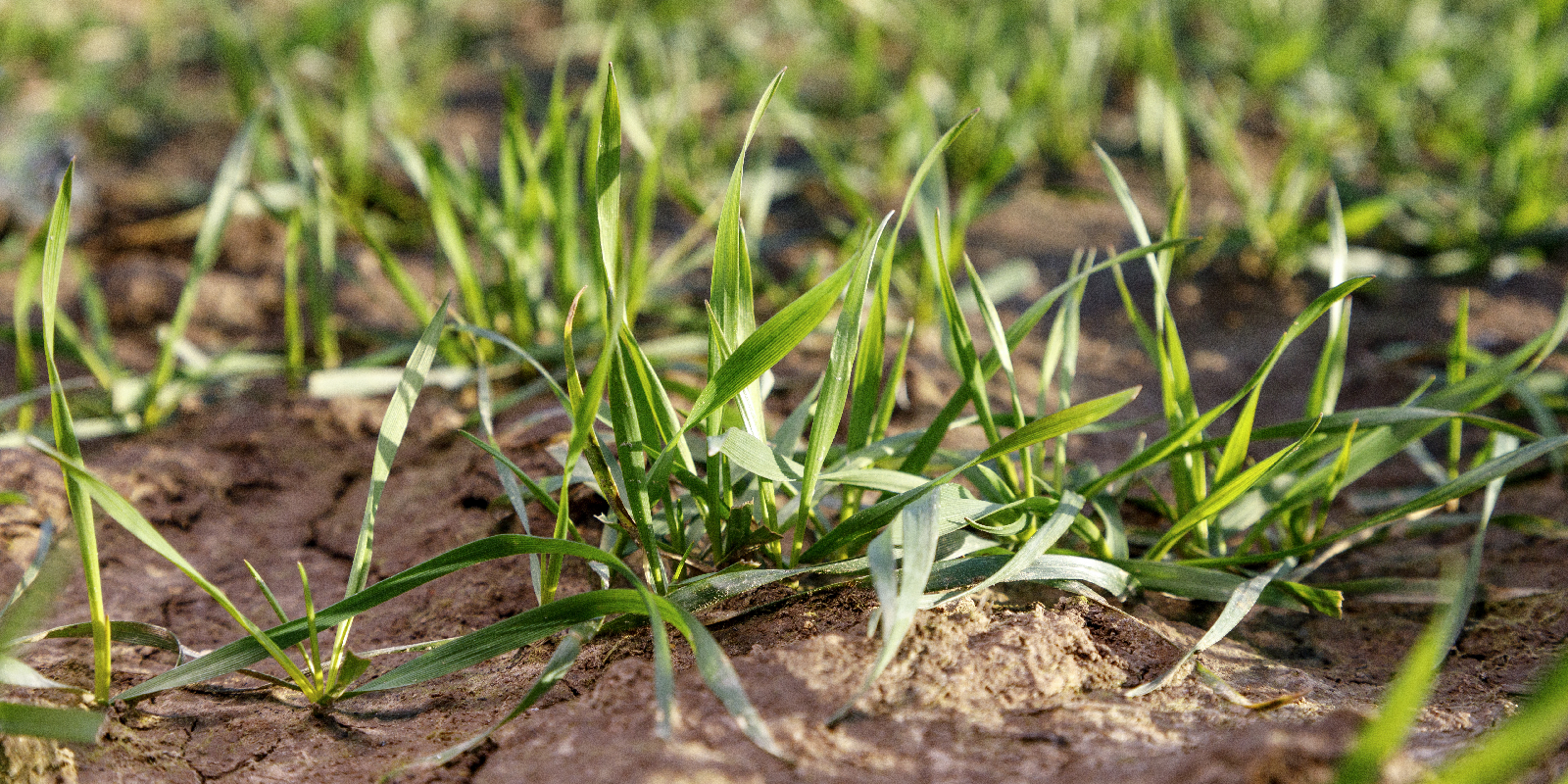
Weed control from autumn residual herbicides has been pretty good, with the frosts helping to finish off some grasssweeds. Inevitably there will be some grassweeds that have escaped control though.
My number one tip is don’t miss an opportunity to spray grassweeds while waiting for the perfect conditions and spray day. Those conditions may never happen, and the benefit of applications now are that generally you’re not dealing with too big weeds, whereas if you leave it for another month or two then you probably will be.
So look for the chance to spray in February, if possible. It is important to spray onto a dry leaf, but I wouldn’t get caught up too much with soil temperatures. It helps to have a feel for whether plants are growing – sometimes a high intensity sunlight day can help with efficacy .
There’s a whole range of different options available for contact-acting herbicides based on mesosulfuron. But be careful to look at labels closely as they can have different following crop requirements or allowed tank mix partners that can mean one option is better than another.
They also may deliver different amounts of mesosulfuron depending on label rate and application date. For example, newly launched Atlantis Star (mesosulfuron + iodosulfuron + thiencarbazone) will deliver 15g/ha of mesosulfuron from the label rate of 0.33 kg/ha in February, while Pacifica Plus (mesosulfuron + iodosulfuron + amidosulfuron) can only be used at 0.4 kg/ha in February delivering 12g/ha of mesosulfuron. That maximum rate for Pacifica Plus increases to 0.5 kg/ha from 1 March but choosing Atlantis Star provides the opportunity to use that higher rate from 1 February.
Both will give control of a good range of grass and broadleaf weeds, although amidosulfuron and thiencarbazone bring slightly different strengths.
Disease levels have started to increase in oilseed rape with more light leaf spot being detected via our Spotcheck service in December and in anecdotal reports from growers and agronomists.
Spotcheck samples are available through February and March if you want to assess levels in your crop – contact me for a sample kit.
Typically growers like to wait until green bud sprays before applying a post-Christmas fungicide, but it’s worth putting a fungicide on at this time of year to hold back light leaf spot.
It’s a disease that keeps cycling in the crop and putting something on now, such as Proline (prothioconazole) will help break that cycle and give you a better chance of preventing it from getting on the pods and damaging yields.
Most growers with cover crops will have started termination ahead of spring crops by either grazing with livestock, rolling on frosts or a first application of glyphosate.
If any of the non-chemical options, or the combination of recent frosts has done the job in killing the cover that’s good to avoid chemical use, but if there is anything living remaining that still needs controlling then an application of glyphosate might still be needed. The frosts will have also helped open up canopies for that treatment.
The growth stage and the species will determine the rate of glyphosate required – adjust rates to control the most difficult and biggest species remaining to avoid any problems with remaining biomass when drilling spring crops.
When to time these applications is likely a compromise between doing it early enough to allow land to dry out for drilling and break down of material to avoid nutrient lock up, but not leave soil bare and unprotected for too long. There’s a whole range of thoughts about what that means for timing and probably depends on what and how big the cover has been and what the following cash crop is. Experience is likely to be the best guide.