Protect potato crops and soil health with Velum Prime
Velum Prime can be used for the suppression of PCN and FLN without disrupting the soil carbon cycle

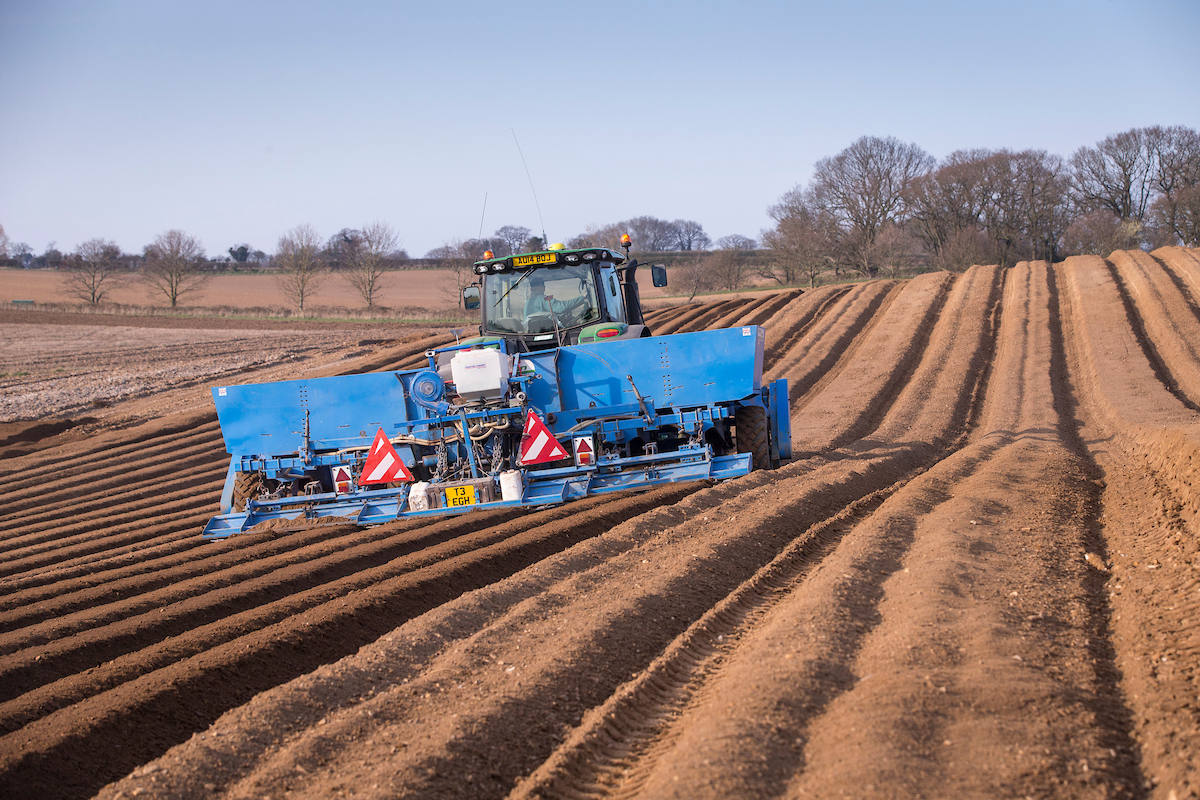
Velum Prime can be used for the suppression of PCN and FLN without disrupting the soil carbon cycle
Velum Prime (fluopyram) reduced tobacco rattle virus (TRV) symptoms on land heavily infested with free-living nematodes by about 40%. The performance, on sites which on average contained 2260 stubby-root nematodes (Trichodorus spp.) per litre of soil, was broadly in line with that of the comparative treatment containing fosthiazate.
Bayer was required to conduct the trials as part of its dossier of data supporting its application to add the suppression of spraing symptoms caused by TRV to the product label.
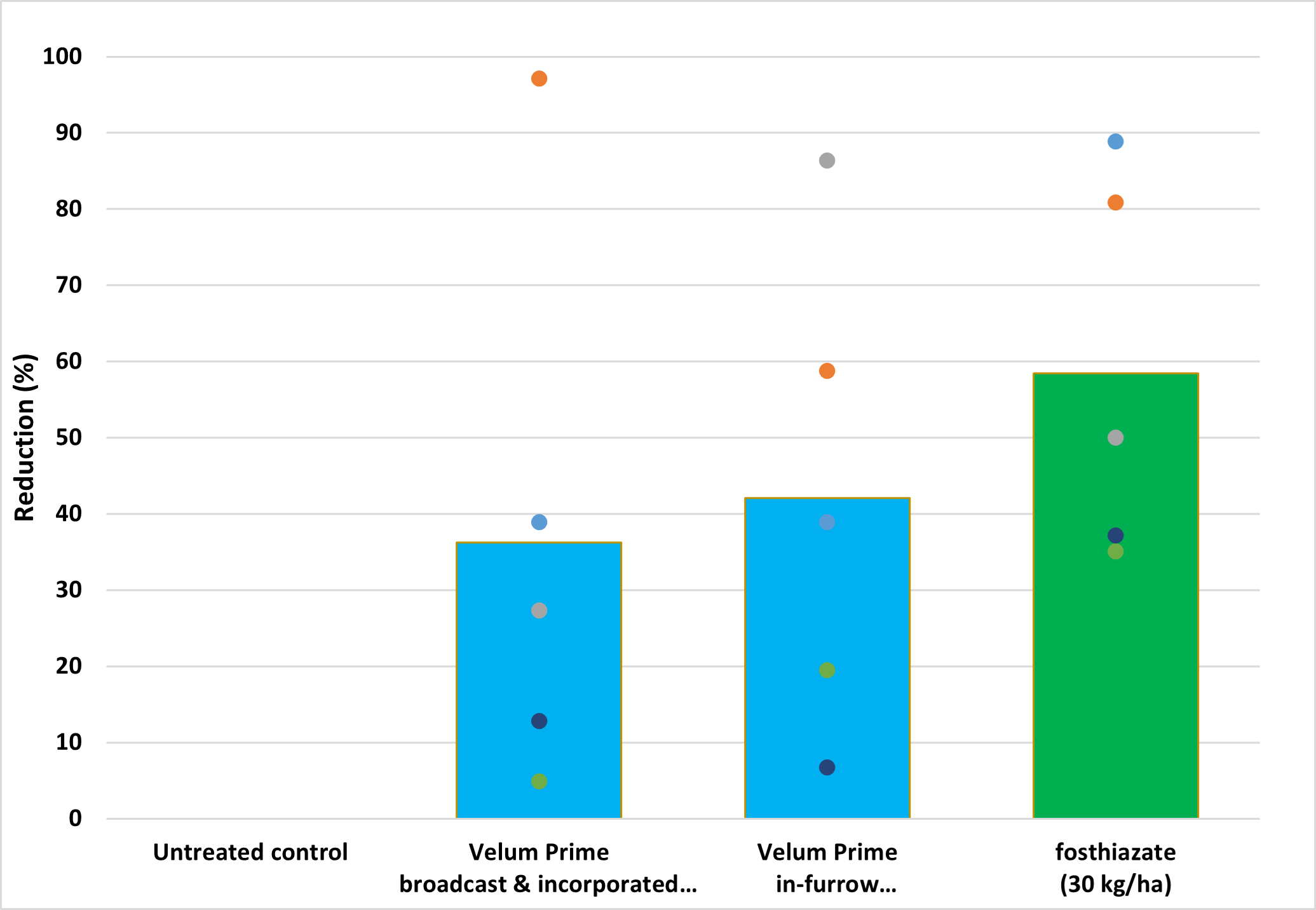 |
Velum Prime reduced TRV symptoms by about 40% over the untreated
Source: Bayer-commissioned trials, 2016-21. Average of 2260 Trichodorus spp. per litre of soil
The application was granted in April 2022 and means Velum Prime is one of only two nematicides authorised for use against PCN and FLN and the only product not to carry a restrictive harvest interval.
The authorisation for the use of Velum Prime against FLN in potatoes mirrors that granted previously for the use in carrots where FLN have been found to cause fanging and vector virus.
The nature of TRV vector transmission means control can be difficult, so Velum Prime must be used as part of a wider suite of integrated measures beginning with suitable site selection.
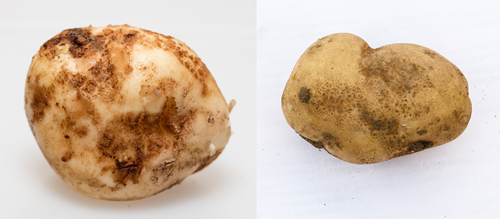 |
Tobacco rattle virus symptoms vectored by stubby-root nematodes (Trichodorus spp.)
Preserving the functional performance of our soils is of increasing importance to farmers and regulators. It is possible to assess the impact of crop protection products on soil health through a range of indicators. These can be physical, chemical and biological.
A soil’s capacity for respiration is a globally recognised indicator of soil status. It is a measure of the carbon dioxide (Co2) released from the soil from decomposition of organic matter, by soil microbes and respiration from plant roots and soil fauna.
In trials assessing soil carbon transformation at regular intervals after application, Velum Prime was shown to have no negative effects on soil respiration – even at 10 times the UK authorised rate.
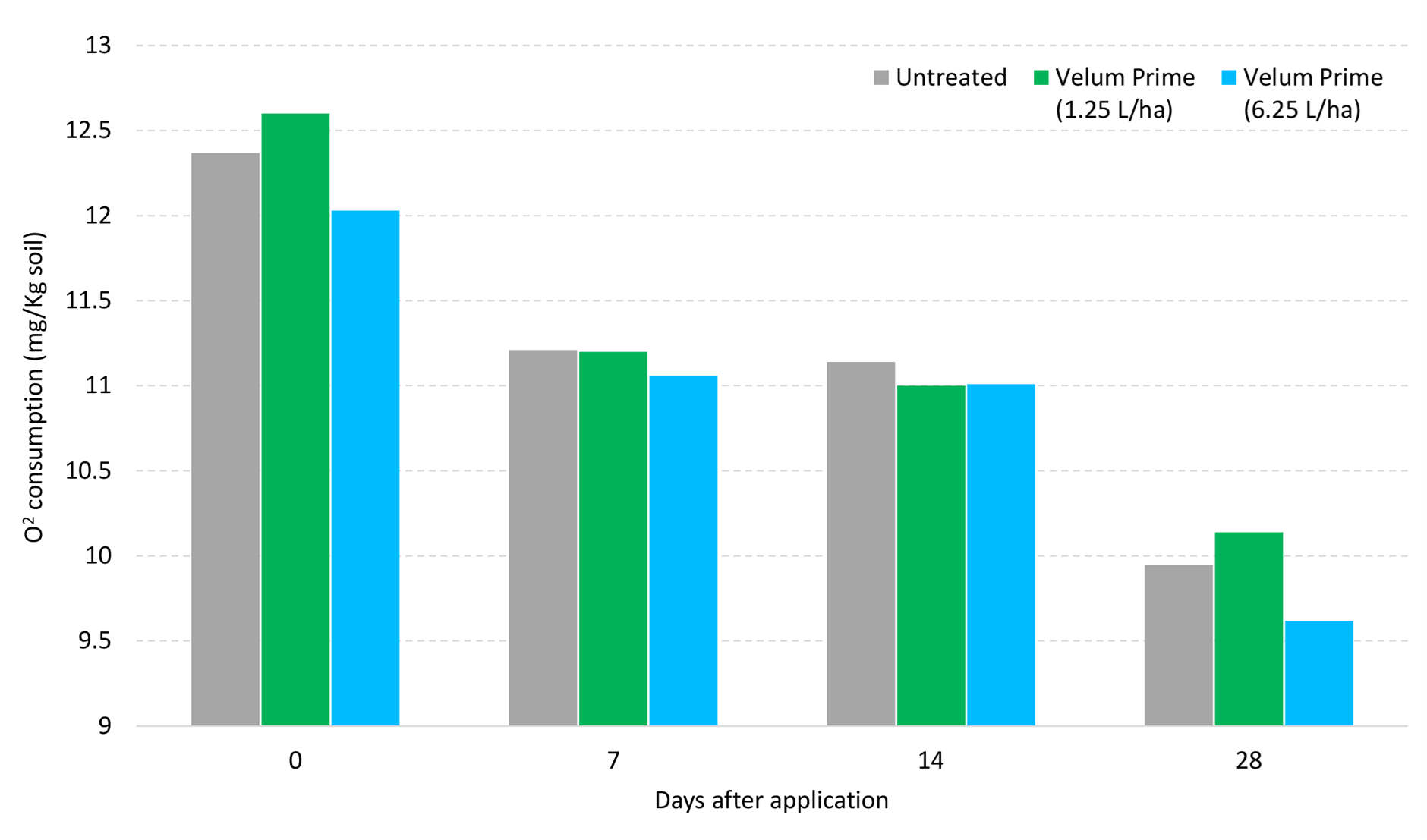 |
Velum Prime has no negative impact on soil health
Source: L. Schultz, 2013. BioChem