Brassica aphids still present in crops

Posted 5 years ago
28/09/2021
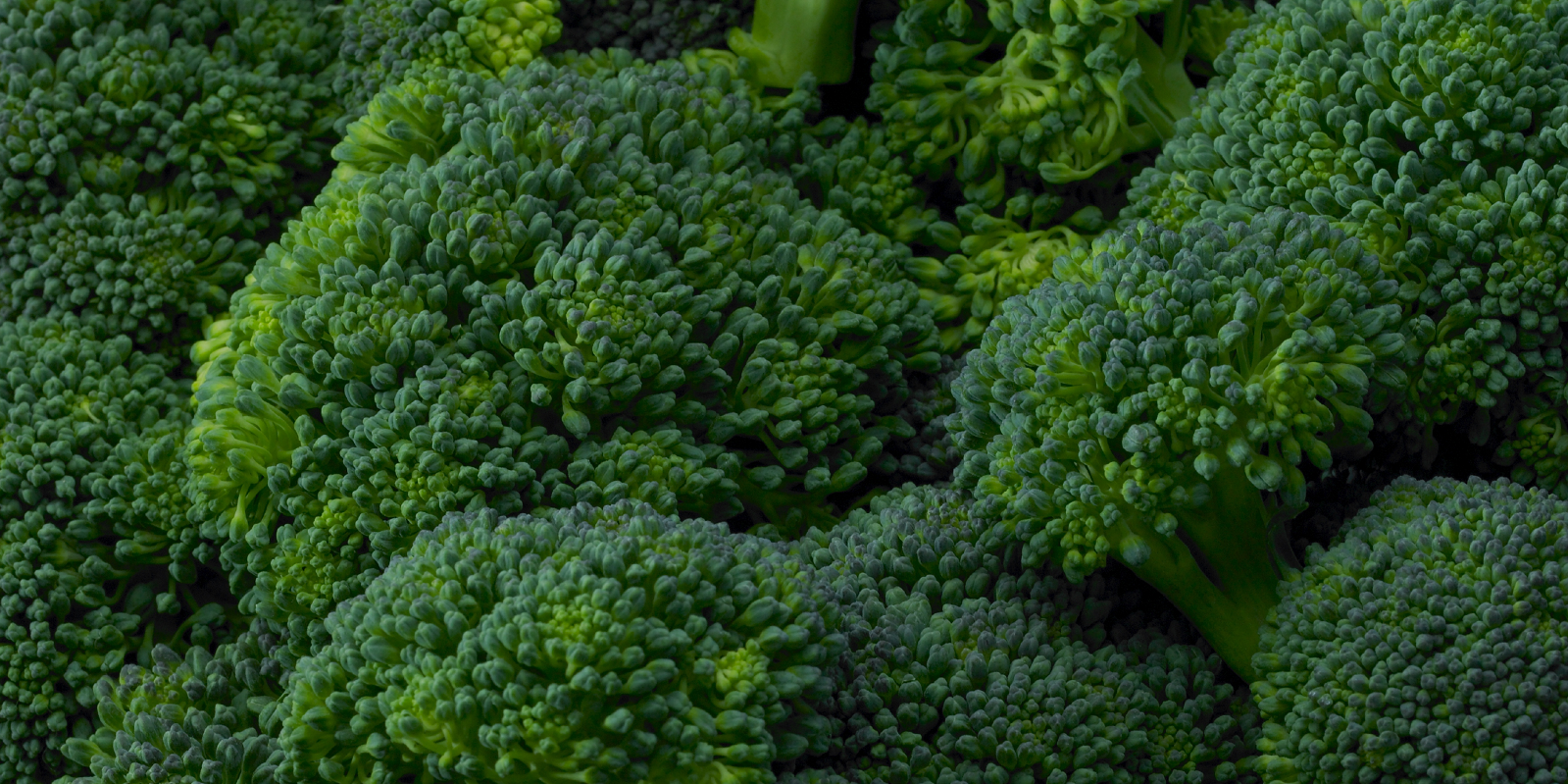
Populations of peach-potato aphid (Myzus persicae) and mealy cabbage aphid (Brevicoryne brassicae) may have declined towards the end of August, but the recent warm weather is expected to support activity as we move through September. Damage to crops including cauliflower and broccoli is widely reported.
Analysis of the AHDB suction trap data suggests populations are at a mid-season low following the recent wet weather. While numbers are lower than in 2020 due to the less-than-favourable summer, the experience of last year suggests that should the mild weather continue, populations will increase rapidly.
Given the vast majority of peach-potato aphid are resistant to pirimicarb and a high proportion are resistant to pyrethroid insecticides, growers have few reliable means of control other than lipid biosynthesis inhibitors such as Movento (spirotetramat).
A consequence of the effective loss of products with quick knock-down performance is the need to inspect crops more regularly for signs of aphids. In some instances, such as with cauliflower and Brussels sprouts, they can be deep withing the head or buttons. In such situations contact-only insecticides may struggle to deliver control unless penetration is sufficient to ensure the product being applied comes into direct contact with the pest.
This highlights the need to inspect crops closely. Where aphids are present an application of Movento will be an appropriate course of action. Restrictions on the number of times these products can be applied to a crop during a season means they can’t be the default method of control.