Weed control priorities this spring

Posted 5 years ago
19/03/2021
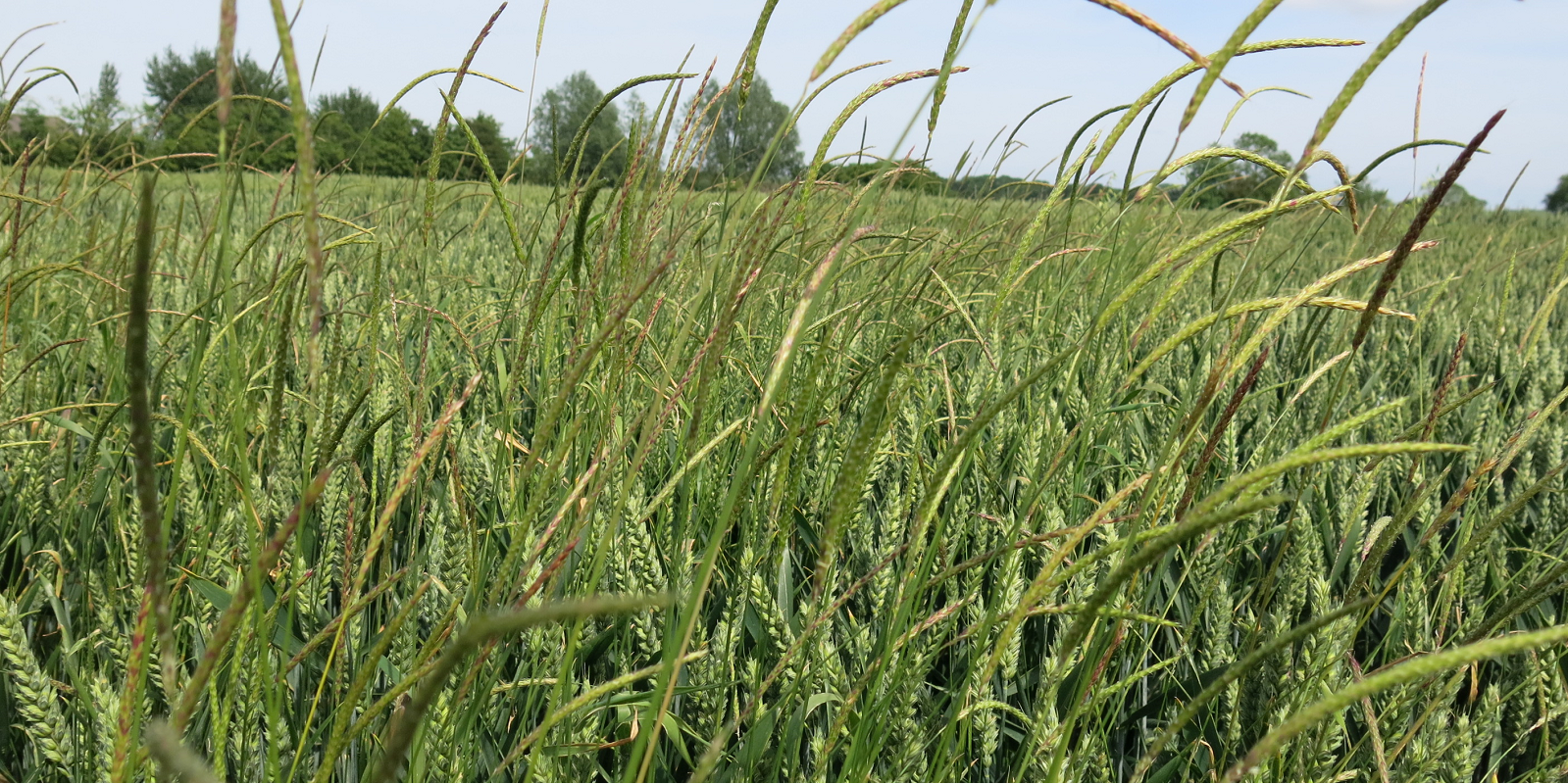
With many crops in a better position than they were this time in 2020, weed control this spring will focus on completing herbicide programmes to prevent seed return and protect yield potential.
Assessing weed burdens will be important to choose the right strategy for each field and ensure herbicide applications are made as soon as it’s possible to travel, before crops start growing away.
Pre-emergence applications in the autumn did a good job overall but some black-grass, other grass-weeds and broad-leaved weeds may still have some through over the winter. Spring germinating weeds now also need to be considered.
Where no pre-ems were applied or they went on in sub-optimal conditions, these fields may be facing a higher weed pressure.
Weed profile, field history and the extent of weed control in the autumn will drive herbicide choices this spring.
When grass-weeds are the dominant weeds present, Atlantis OD provides good control of black-grass. Where other grass-weeds including rye-grass and brome species are present, Monolith provides additional efficacy.
Brome species vary, and Bayer’s weed screens over the past two years have shown that certain brome species, including rye-, soft-, and meadow-brome are better controlled by Monolith. Field history is needed to determine the brome species present as they are difficult to identify until seed heads are visible.
In fields with mixed populations of grass-weeds and broad-leaved weeds, Pacifica Plus provides good control targeting a wide range of common broad-leaved weed species including mayweed, chickweed, cleavers, and fumitory as well as good activity on grass-weeds including black-grass.
Cereal volunteers such as barley may be more common in the 2020-21 season due larger areas of barley grown the previous year and a difficult harvest for some of those crops. Where barley volunteers are present Monolith will provide good control.
Contact herbicides are absorbed through the leaves of the plant, so it’s important to apply them correctly, at the right time and in the right way to achieve the best control. This means waiting until weeds are actively growing and not spraying too early when it’s too cold, nor too late when weeds are larger and more difficult to control.
Products such as Atlantis OD, Monolith or Pacifica Plus need active growth when targeting grass-weeds, ideally, at growth stage 11-13 for Atlantis OD and 21-32 for Monolith. Applications should be made when the leaves of the crop are dry with no rain forecast for at least two hours afterwards.
Small grass-weeds can be hard targets to hit at this time of year so precision is needed to achieve good control. Taking time to set up the sprayer will pay dividends, checking water volumes, and going ‘low and slow’ to ensure you achieve good coverage.
Forward speeds should not exceed 12 kph, and spray droplets should be fine to medium, ideally using a flat fan nozzle to increase the likelihood of achieving good coverage. When water volumes are less than 200 L/ha correct sprayer set up is even more important.
Good application practice can also help to slow the development of enhanced metabolism resistance. Always apply contact herbicides at full label rate with the recommended adjuvant.