Uneven crops make for difficult harvest decisions

Posted 6 years ago
21/10/2020
As the sugar beet harvest begins in earnest growers will have to consider two of the eternal questions that weigh so heavily on the final performance of a crop: crowing height and field selection.
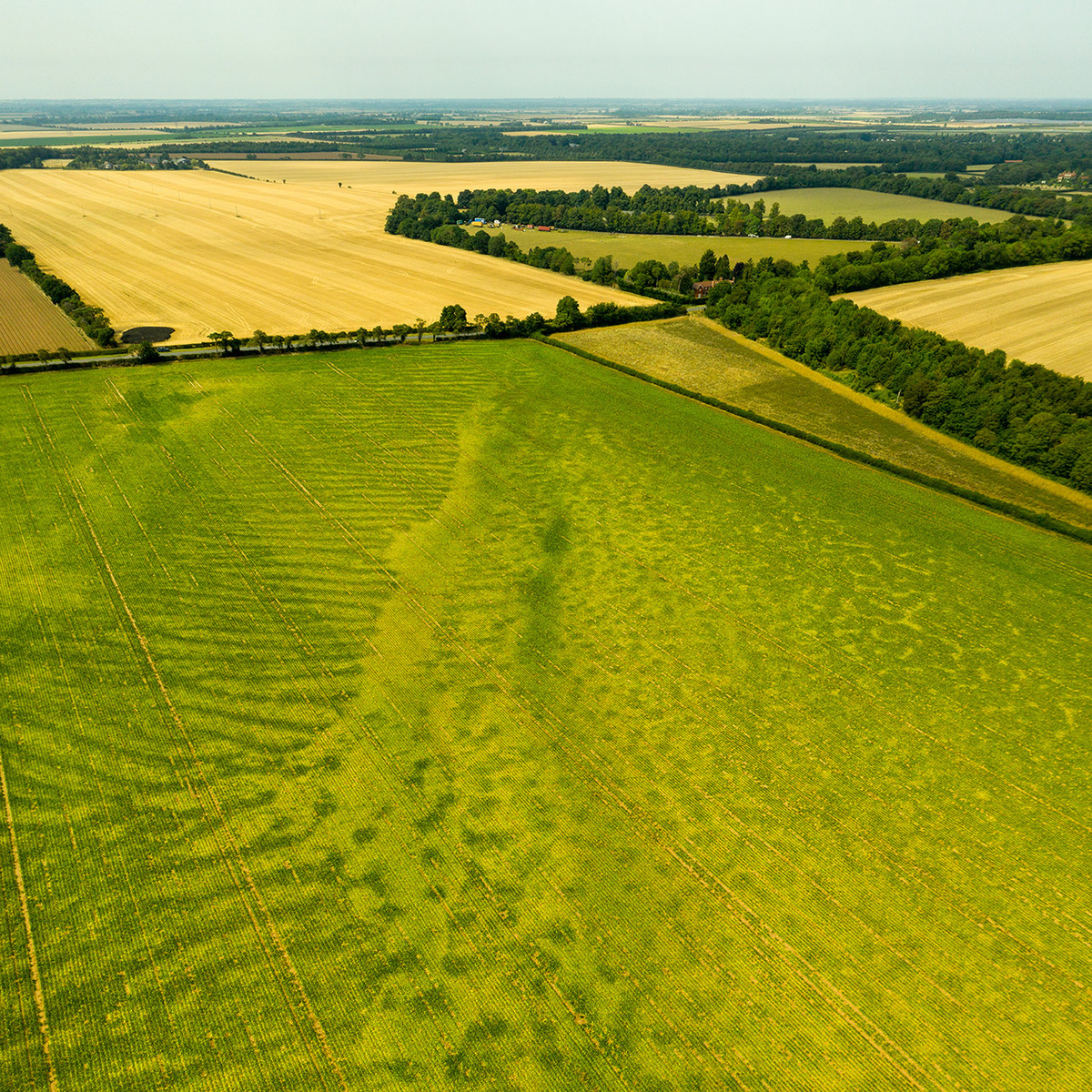
After an unseasonably dry spring and summer, many crops could be best categorised as ‘variable’. The level of variation will be considerable, and in some cases, it will be visible within fields. This will make the task of setting the crown height more difficult because too low and too much crown will be removed from the larger roots while too high and too much green will make it through the harvester.
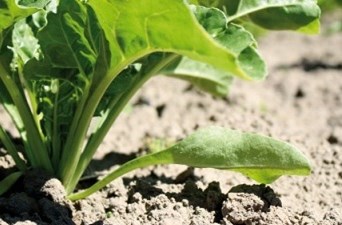
The early season drought will also have resulted in uneven establishment. This will have led to gappy crops. Gappy stands tend to have a wide range of root sizes and crown heights making it challenging for the harvester operator to lift and top beet properly.
Achieving a suitable crowning height will enable the best crop recovery. The harvester should be set up carefully so as not to over crown the largest beet.
There is often more to consider when deciding the order in which crops should be lifted than there first seems. The intended drill date of the following crop will likely be the principal factor determining lifting date, but high on the agenda will also be soil and crop conditions as well as clamp location, specifically whether it is in-field and needing to be pushed up. The potential to grow on and add yield should also be a consideration.
In many situations this decision will have been taken up to a month before harvest begins. Those crops on lighter soils and in good health that are considered suitable for lifting after the end of October are likely to have received a third fungicide to protect against disease and maintain green leaf area to support sugar accumulation.
Although growth slows in late autumn, in October the crop is still gaining approximately 3 t/ha of yield per week.
Crops with obvious low potential due to poor populations or those visibly behind others will rarely fulfil expectations. Well-established crops are likely to benefit the most from being left to grow on. Lifted beet are still ‘alive’ and will respire and lose sugar yield during storage; in mid-autumn storage losses are around 0.2% sugar content points every 10 days.
After the spring and summer drought many crops are in a poor state the effects of which have since been exacerbated by disease. In some crops there are clear signs of virus though the full effects of which are yet to be understood.
Where crops are showing visible signs of disease or virus these should take priority over those with clean canopies.