6 factors to watch out for to minimise herbicides checking sugar beet crops this season

Posted 7 years ago
09/04/2019

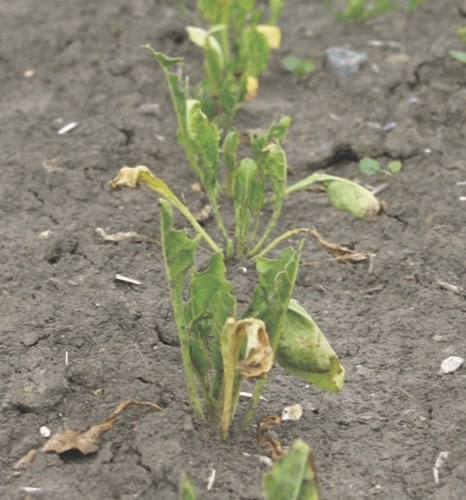
Herbicide treatments can damage beet if applied when the crop is under stress or wax protection on the leaves is inadequate. Adverse weather, pest damage and nutrient deficiency can all interact with herbicide applications but herbicide choice can bring the flexibility to work around such stresses.
Weather has a big influence on crop stress and herbicide safety:
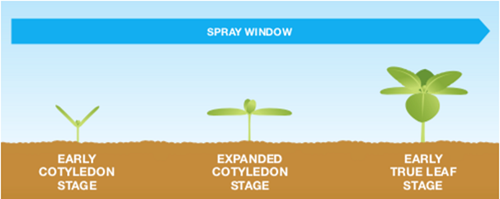
Betanal maxxPro’s advanced oil dispersion (OD) formulation widens the spraying window for weed control enabling the application of robust, broad-spectrum treatments to weeds at the early true leaves stage.
As a result, Betanal maxxPro adds the flexibility to select spray days with optimum conditions for herbicide activity to avoid the risk of crop damage.
Leaf damage caused by pests such as leaf miner reduces herbicides’ selectivity by allowing more to penetrate the foliage. Having lost the seed treatments control will be more difficult. The only authorised foliar spray for leaf miner control is Hallmark Zeon (lambda cyhalothrin) but this is likely to have a negative impact on beneficials.
Nutrient deficiency and soil acidity can reduce the crop’s tolerance of herbicides. Beet showing manganese deficiency symptoms are especially prone to herbicide damage and on manganese deficient soils (e.g. fen peats), manganese treatment should be included in the spray programme as routine.