Five Reasons to resistance test black-grass and ryegrass and how to do it

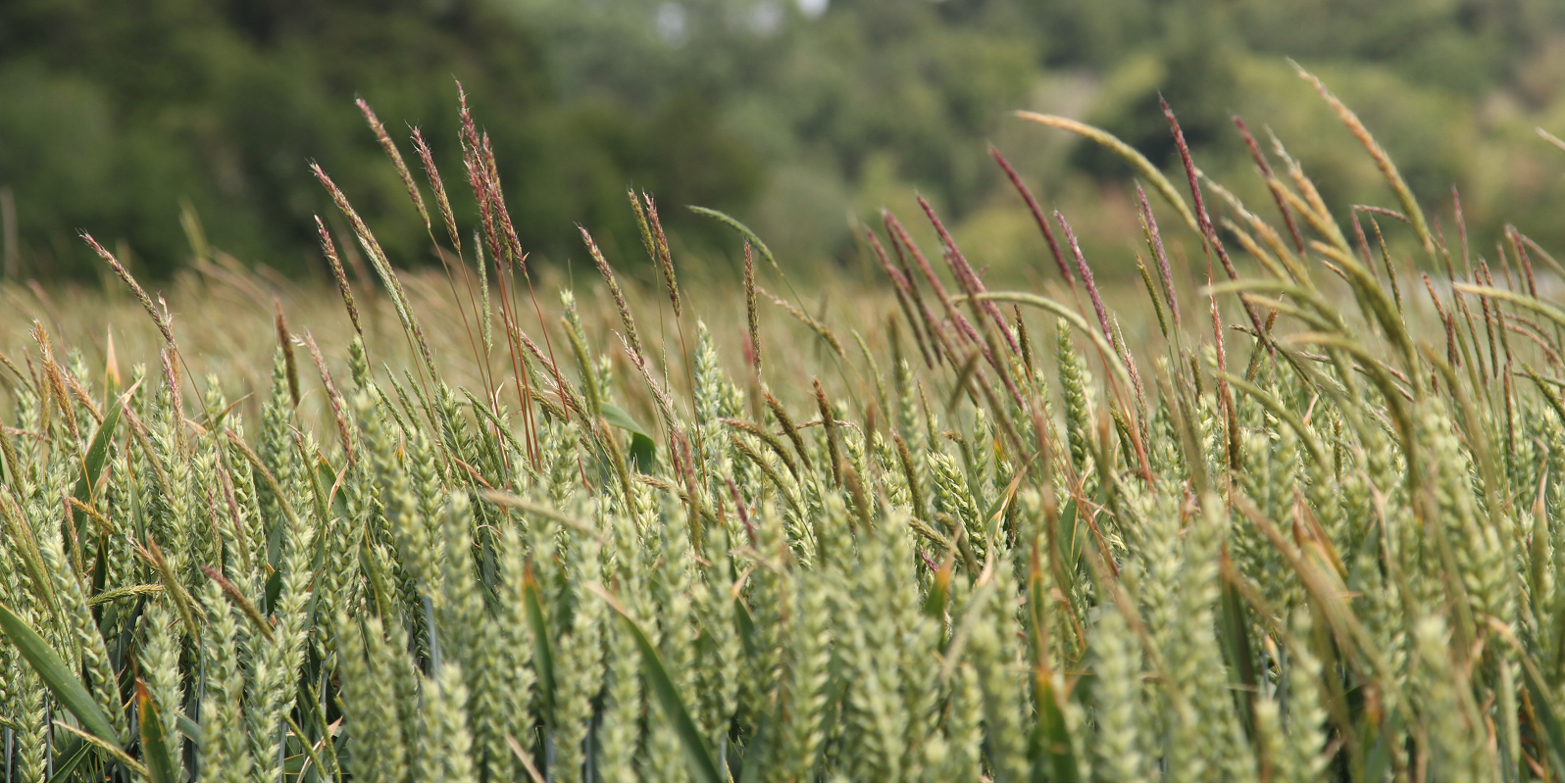
Black-grass and Italian ryegrass can both develop resistance to a number of common herbicides. A resistance test is a valuable tool for farmers for managing the situation on their farm, here’s why:
Farmers have a huge influence on the resistance situation on their farm. Machine hygiene aside, resistance is a result of management history, unlike insecticide and fungicide resistance which can quickly spread between farms. Consequently, national surveys and discussions with other farmers can only take you so far. Testing problem weeds is vital because you can even find different resistance profiles between fields on the same farm.
“If you hear somewhere about a resistance trait, it doesn’t mean you have that resistance trait on your farm,” says John Cussans. “There is no substitute for understanding the population you are trying to control in a field. There is no substitute for resistance testing.”
Resistance develops to each active separately. While there are some patterns of cross-resistance, they are not entirely predictable so a specific resistance test is needed. For example, the recent Italian ryegrass survey found all conceivable combinations of resistance to the key post-em and pre-em actives.
Black-grass is slightly different, most farmers have faced resistance in the same order of ACCase followed by ALS and then possibly reduced sensitivity to pre-ems.
As far as we know, there is no fundamental reason for this order except for how and when these actives were used. So, it could be the case that as reliance on pre-em chemistry increases with fewer post-ems, we could see different resistance patterns.
On top of all this, there is also the difference between target site resistance and enhanced metabolism resistance to ALS-inhibitors in black-grass. In practical terms, target site resistance is an on/off switch, once it’s there, farmers can no longer get useful control. Metabolic resistance is different, applications at early growth stages in conducive conditions can ‘overcome’ metabolic resistance and deliver helpful weed control.
In many ways, the most useful aspect of a resistance test is telling you which products are still effective. Once there is RRR resistance, the decision is fairly straightforward to change products. But where plants are still susceptible or showing some signs of resistance there is still time for farmers to act.
Treasure any active which is effective by following the familiar stewardship guidelines. Apply at the right growth stage, in good conditions with good application technique. Don’t rely on any one active too much in the programme and look at how diversifying cultural controls and rotation can take pressure off a limited number of herbicide options.
Watch the videos below for guidance on how to collect a seed sample for a resistance test:
When you collect seed in July, it is by definition from weeds which have survived the herbicide programme, susceptible plants have already been controlled. If viable, look to manage these survivors before they shed seed. Patch-spraying with Roundup (glyphosate), hand rogueing and seed destruction can all help prevent very high seed return. Meaning the population size stays manageable with all remaining cultural and chemical control.