Common name:
Timothy
Latin Name:
Phelum pratense
Cat’s-tail grass
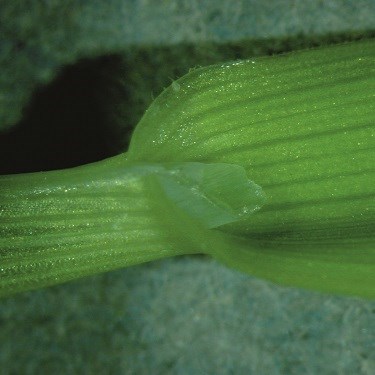
Ligule:
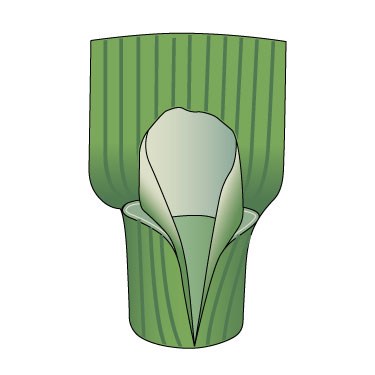
Auricles:
Absent
Leaf blade:
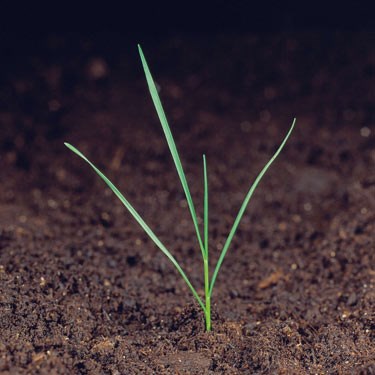
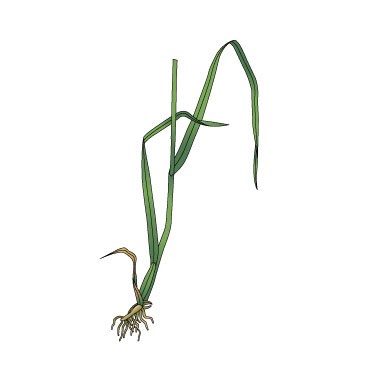
Leaf-blades elongate, flat, 10-30 cm long, 5-8 mm broad, sabre-shaped, tapering to a very thin point. Youngest leaf rolled.
Description:
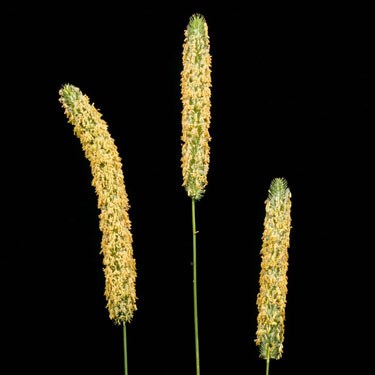
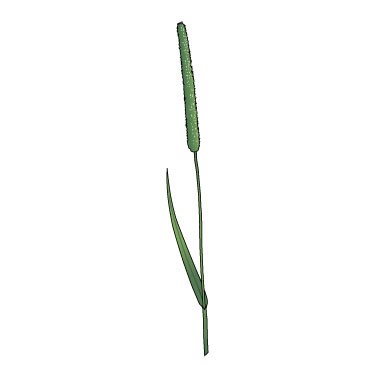
Rather coarse tufted grass with many varieties covering a range of growth habits. Generally light green or greyish-green. Dense cylindrical spike giving the alternative common name. Spikelets are small (2-3 mm), single flowered and tightly packed often tinted pink or white, extremely short awns.
Importance:
Timothy’s preference for heavy, slightly damp soils makes it common in grassland where it is cultivated for fodder or grazing. It is also common in arable rotations where there is a grass in the rotation.
Lifecycle:
Timothy emerges from both seed and tussock parts. Tillering occurs in spring and autumn and stems remain green over winter. It then grows on in the spring before flowering in June and July. Seed shed occurs in the mid-summer and germinates from August through to the late autumn.
Management:
Routine deep cultivations are often the best means of achieving control. In winter cereals, some control can be achieved with herbicides.