Tailored solutions build the DEKALB difference

Posted 5 years ago
21/04/2021
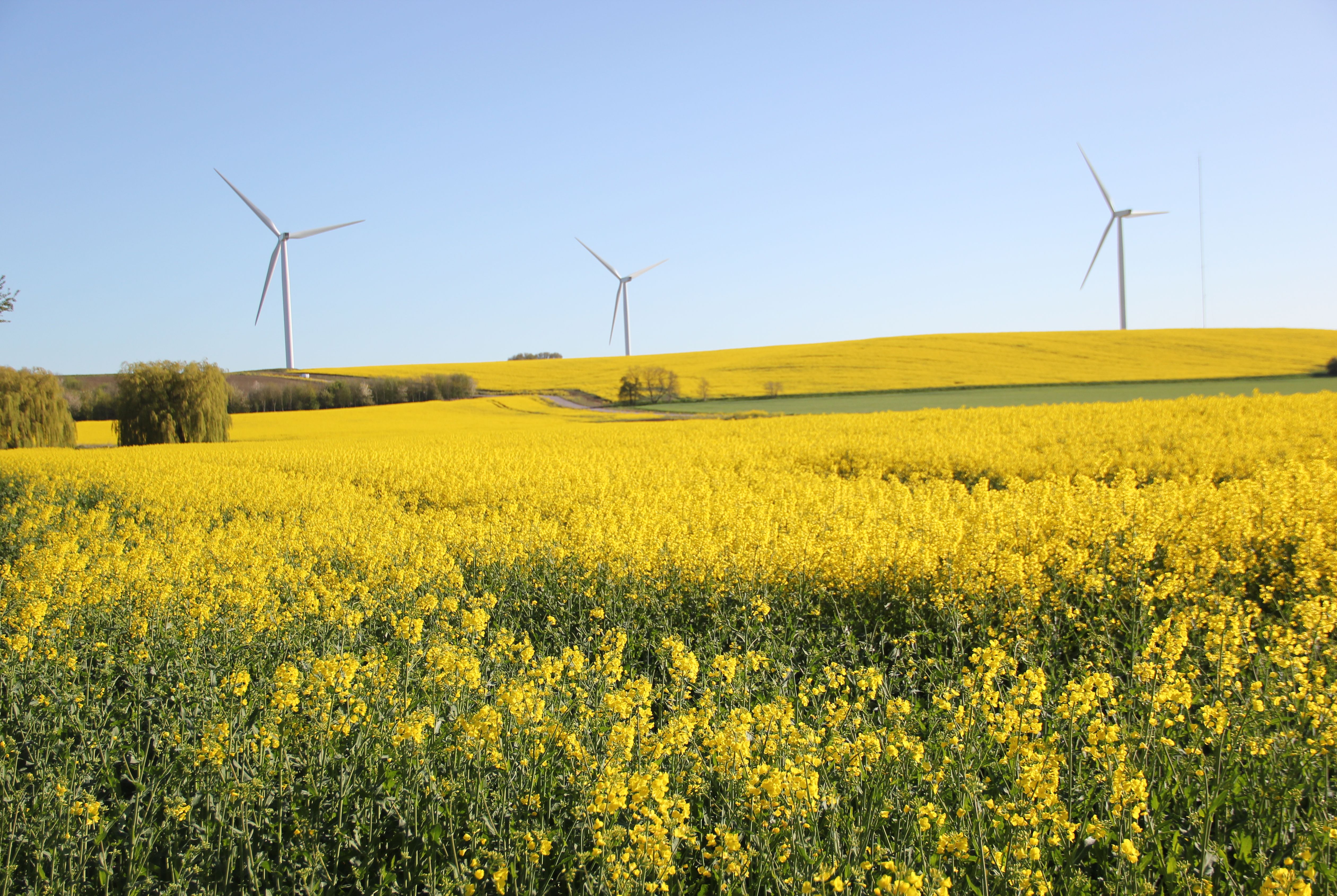
Improving the whole genetic package for the most environmentally-resilient OSR performance is the focus of Dekalb’s expanded variety development programme, delivering tailored solutions rather than just traits for UK growers.
A €15 million investment programme at Bayer’s European breeding centre at Boissay in the Paris basin, development of its totally untreated testing and selection network across Europe, and technologies from its world-leading corn and soybean breeding programmes and digital platform are all coming together to do this.
“We have introduced even greater diversity into our oilseed rape breeding engine with a major expansion of our di-haploid laboratory which creates genetically pure lines from single pollen grains,” explains Dekalb French breeding programme leader, Julien Binet. “Substantial expansion of our environmentally-controlled breeding chambers in parallel is allowing us to increase the number of crosses we make and significantly cut the time taken to introduce and transfer traits.
“At the same time, high-capacity genetic mapping is allowing us to identify whole blocks of genes associated with the superior performance of our most successful hybrids in different environments and track these within our parent lines.
“We are then able to estimate with considerable accuracy the overall breeding value of hybrid parents for the outcomes we want. So we can tailor our variety development very much more precisely for different environments.
Alongside marker-assisted selection to introduce and fix new traits involving relatively few genes into Dekalb lines, this whole genome breeding approach is giving Dekalb the ability to much more reliably develop hybrids with combinations of characters involved in more complex traits. This includes early plant establishment, environmental stress tolerance and broad-spectrum disease resistance.
“Fundamental to these advances are the completely untreated breeding and selection trials we run across a huge range of stress situations in our European network,” insists Dekalb UK and Nordics breeding leader, Matthew Clarke.
“They are one of the most important jewels in our crown when it comes to delivering the sort of resilience that has always been a trademark of Dekalb breeding. We continue to insist on testing all our emerging hybrids as well as parent lines without any crop protection support right thorough to their NL2 stage of development. And we deliberately do so in situations known to present particular disease, pest and other environmental challenges.
For the greatest resilience Dekalb hybrids are tested and selected completely untreated in a range of high-stress situations, including:
“This means we only bring forward hybrids we are confident have the underlying genetic strength to perform consistently well for their particular environments. We do not classify
many of the tolerances we know our varieties possess as traits. Rather, we see them as essential backgrounds of environmental resilience growers can rely on.
“At the same time, of course, this selection work allows us to identify the key genetic elements most associated with the resilience we identify in particular environments to feed back into our genome-wide selection programme,” he adds. “It’s a completely circular process of continual all-round improvement.”
“By constantly adding to the platform of traits we have been able to fix in our parent lines and steadily building hybrids we know to be especially well-adapted to particular environments we can achieve the steady, low-risk, high-reliability performance progress growers are asking us for. We can also provide varieties purpose-built to perform under specific regimes, like early or later drilling, light or deep soils, or restrictive nitrogen regimes.
“We firmly believe the way ahead in OSR breeding is providing varieties growers know they can rely on. That’s a difference we really cherish in the Dekalb programme.”