Quiet confidence in rapeseed market prospects

Posted 5 years ago
17/03/2021
Oilseed rape is generally in a much better place this spring than it was last, reports Bury St Edmunds-based Bayer commercial technical manager, Ella Crawford.
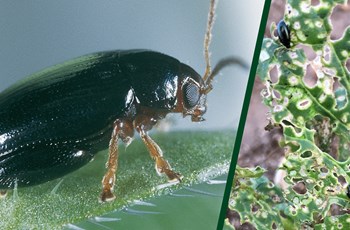
Better establishment conditions led far fewer crops to be written-off ahead of Christmas, and most have been able to survive another wet early winter and the coldest January for a decade reasonably well. Thankfully too, the incidence of crops suffering badly from serious burdens of cabbage stem flea beetle larvae appears to be lower.
“As ever, my colleagues across the country and I have seen a huge variation in crops coming out of the winter,” she explains. “Those drilled in early August looked particularly well before Christmas but suffered more from the hard January frosts. Once again, they are carrying noticeably higher numbers of CSFB larvae in their stems than later drillings.
“However, strong rooting should stand them in good stead as they move into stem extension and flowering. As should good thick stems where seed rates were kept reasonable. Greater leaf losses in the snow and frost are also likely to have helped reduce higher initial larval burdens as well as manage some decidedly thick and forward canopies.
“Less forward than the earlier drillings, crops sown from mid-August are equally well-established and, if anything, looking more promising for their evenness, lack of frost damage and lower levels of larvae.”
The dry spell from the end of February into early March provided just the right opportunity for early nitrogen here, with a return to unsettled weather enabling the applications to become available rather than continuing to lie on the surface for so long as so many did in 2020.
While everything will clearly depend on conditions during flowering and pod fill, Ms Crawford is quietly confident that this spring’s promise will be translated into an OSR performance that will help re-build confidence in what remains the best all-round cereal break.