Pioneering Genetic Solutions

Posted 6 years ago
26/03/2020
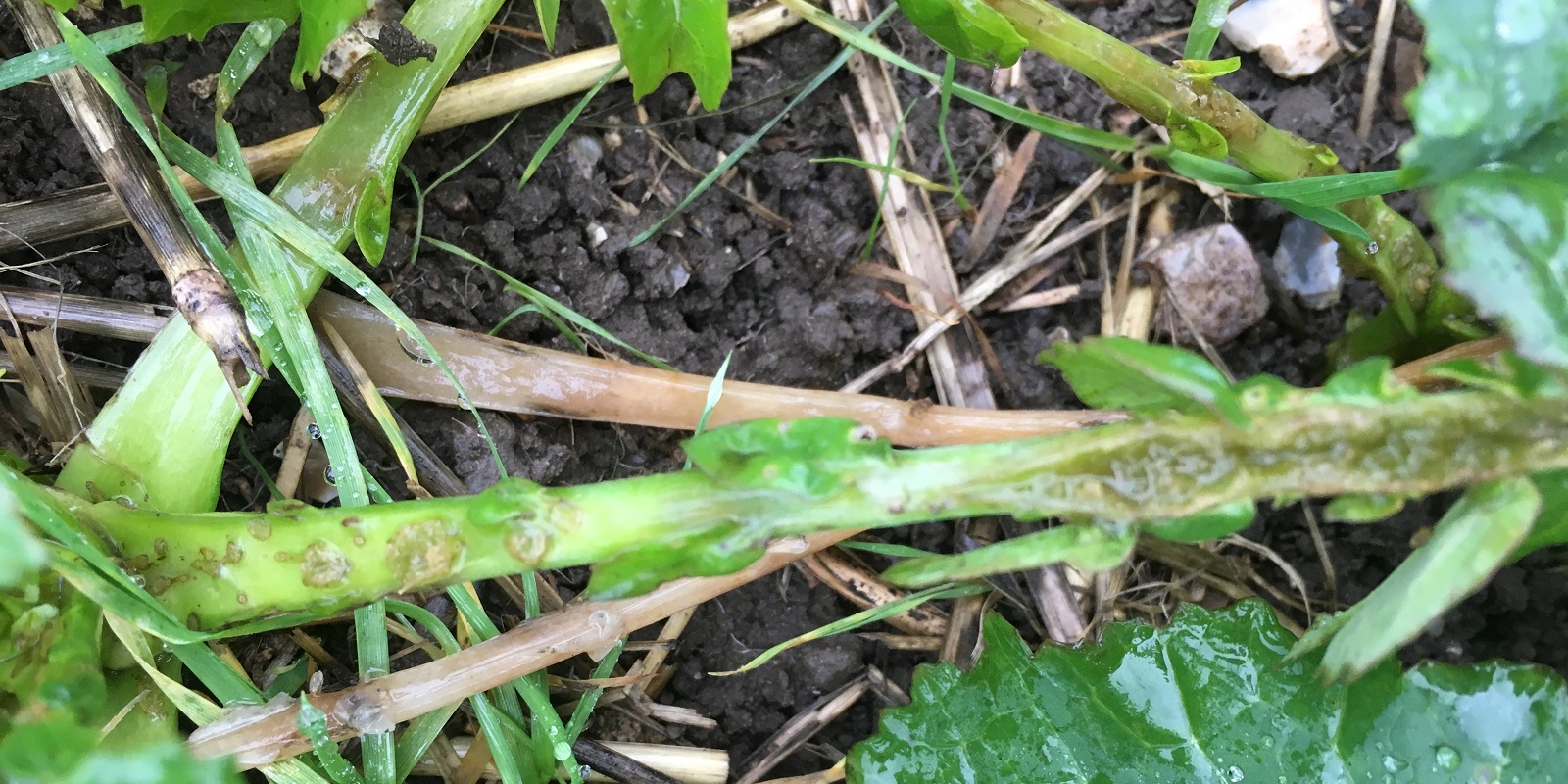
Marked differences between OSR lines in both their attractiveness to adult flea beetle grazing and their ability to support larval development have been identified in a concerted John Innes Centre programme funded by AHDB, BBSRC and industry.
Since establishing the first captive population of the pest in 2014, Professor Steven Penfield, Dr Rachel Wells and their team have also gained valuable insights into what makes CSFB tick, elements of its life cycle that might usefully be interrupted and possible natural population control mechanisms.
“Knowing your enemy has to be the key to tackling flea beetle,” insists Dr Wells. “Yet, when we started looking into the problem it rapidly became apparent there was nowhere near enough science in anyone’s understanding of the pest. Most of what was ‘known’ about it in the literature was anecdotal.
“We also realised that massive variations across individual crops and the many factors influencing the scale and location of the adult and larval damage as well as significant interference from other pests like cabbage root fly and stem weevil meant field trials were most unlikely to give us the reliable genetic understanding we needed.
“So, we established a captive population in a controlled environment as the basis for our work. In addition to enabling us to measure the effects of specific levels of pest challenge on different oilseed rape lines, maintaining this has taught us a lot about what CSFB needs to survive and thrive.
“For instance, we know emerging young adults don’t survive well in hot, dry conditions. They need moisture and shelter while they mature. Equally, we are learning what conditions trigger egg-laying, maximise egg-hatch and contribute to the greatest larval success and most rapid generation turnover.”
The JIC team has also been able to characterise a parasitic wasp and, in collaboration with the University of Warwick, identify entomopathogenic fungi having significant effects on beetle populations.
Undoubtedly their most valuable work, though, has been in pinpointing the genetic variation essential for breeding resistance or tolerance into oilseed rape.
“We have assessed the diversity set of almost 100 Brassica napus lines forming the key Defra-sponsored Oilseed Rape Genetic Improvement Network (OREGIN) resource for their palatability in carefully controlled adult feeding trials,” explains Prof Penfield.
“Assessment of scanned leaf images shows the average degree of damage varying highly significantly from 2% to 20% across these lines (Figure 1).
“Regardless of adult grazing levels, we are also finding marked differences between the success of larval development across the same OSR lines,” he continues. “We measure this by placing a set number of eggs in the soil at the base of each plant isolated in its own chamber and maintained under precisely the same environmental conditions.
“Following the whole life cycle through, we’ve recorded a four-fold difference in the number of adults actually emerging among the lines tested. This indicates valuable variations in their ability to tolerate the larvae as well as their attractiveness to adults.
“Because the OREGIN lines have all been subject to high density DNA mapping, ordering a total of 225,000 markers, we are able to correlate the traits we see in both respects with specific areas of the OSR genome to provide a valuable resource for plant breeding.”
While varieties bred for tolerance to flea beetle using this resource will be a number of years away, the JIC work offers more immediate value as a screening tool for existing genetic material. The team’s parallel assessment of two RL varieties, for instance, reveals significant differences between them in larval success (Figure 2).
“With sufficient support we could screen all current and emerging varieties as well as breeder’s lines and hybrid parents for tolerance to both adult feeding and larval success,” says Prof Penfield. “This would give growers a valuable head-start as far as genetic solutions are concerned.
“As well as genetics, our work with many generations of the pest over the past five years has given us a much better understanding of what makes cabbage stem flea beetle tick,” adds Dr Wells. “It wouldn’t take much additional funding for us to develop a good initial model of flea beetle population dynamics based on key environmental variables. Continually refined with field experience, this could form a crucial resource in both predicting levels of local risk and testing management strategies.”
Figure 1:

Source: John Innes Centre
Figure 2:

A and B are two different varieties at both high and low egg pressures.
Source: John Innes Centre