Epidemic levels of light leaf spot found in oilseed rape crops
High levels of light leaf spot are being found in oilseed rape crops, according to Bayer’s SpotCheck service.

Posted 6 years ago
11/03/2020
High levels of light leaf spot are being found in oilseed rape crops, according to Bayer’s SpotCheck service.
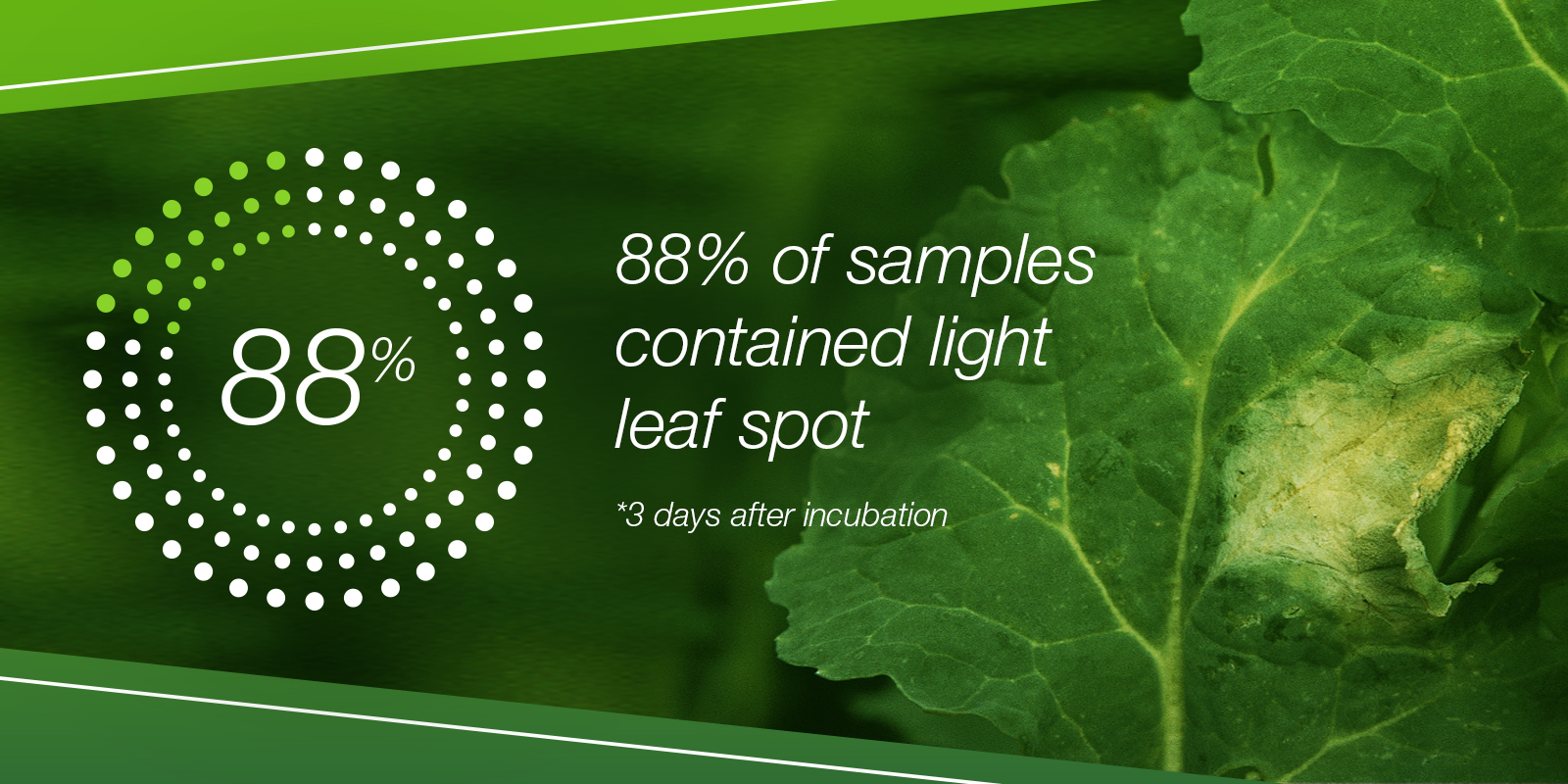
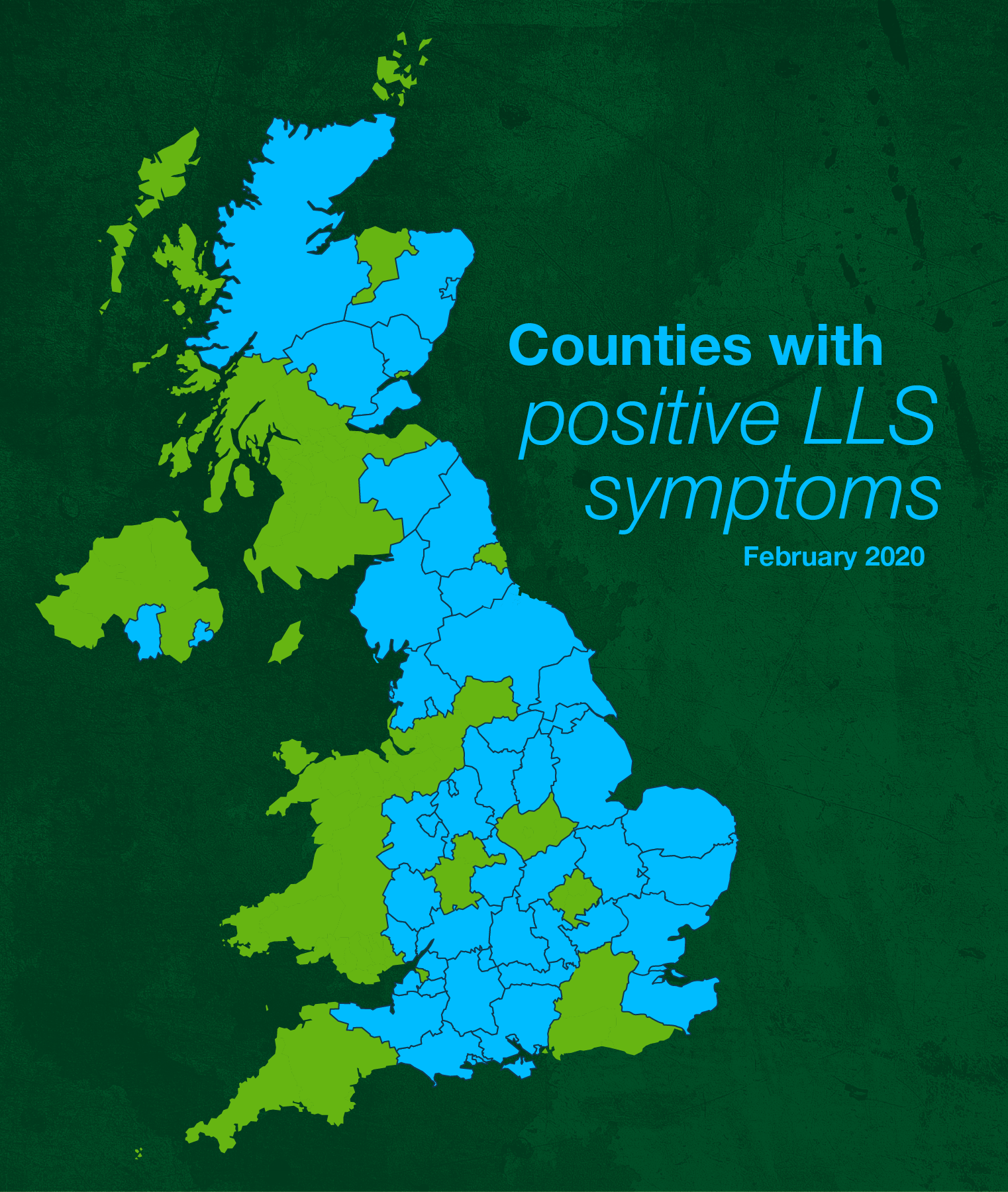
The latest SpotCheck results from 160 samples evaluated in February have shown extremely high levels of light leaf spot infection after three days incubation, compatible with an epidemic, says Philip Walker, Arable Plant Pathologist at ADAS.
While high infection levels are usually observed in February, the latest results are higher than normal, almost certainly as a consequence of the continued mild weather recently.
“With 88% of samples showing symptoms – and, of those, 70% showing infection levels above 25%, – I would expect this to carry on increasing and have a detrimental effect on yield, as we generally estimate that a 5% yield loss occurs when more than 15% of a crop is infected,” says Mr Walker.
“Since last November, the average temperature has not dropped below 5˚C, which is 1-2˚C above the long-term national average. But even if temperatures drop, the damage is done because we have already got infection in the crop. While Yorkshire had the highest levels of infection, we are now starting to see LLS symptoms in the west side of the country as well.”
Applying a fungicide, if it is possible to travel, has now become urgent, he says. “Fungicides work better protectantly, but the quicker you are able to spray once you see symptoms, the higher level of control you will get.”
High incidences across the country
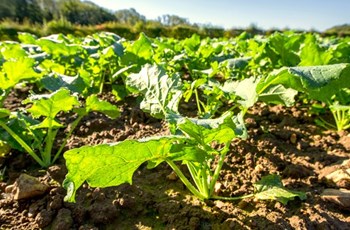
Ella Crawford, Bayer commercial technical manager for Suffolk, agrees that the recurrent wet weather with mild temperatures have affected the crop growth and increased disease pressure, including LLS.
Comparing the results from the SpotCheck with what she sees in her area, she says symptoms of LLS are starting to become more visible, particularly in more susceptible varieties and / or crops drilled in early August.
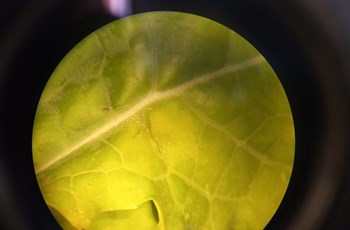
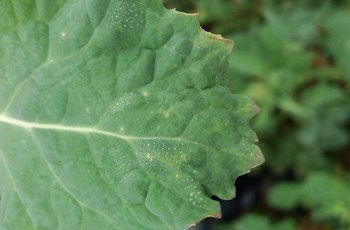
“Typical symptoms showing tiny white spore droplets on the leaf surface have been seen locally but these lesions can still be difficult to identify, particularly in wet weather, without incubating the leaves to encourage further development of the infection.
“If there is any doubt about disease symptoms in field, growers and agronomists should consider using the Bayer SpotCheck service to attain an accurate diagnosis,” she adds.
“Growers should continue to monitor crops carefully, keeping in mind the resistance scores of your varieties and prioritising those with a weaker resistance rating for LLS.
“There is no threshold for LLS, and fungicides should be applied at the first signs of the disease. Proline (prothioconazole) is the strongest product for control of this disease and will also be favoured in the more backward crops as it avoids unwanted PGR effect. Application timing is essential for effective control of LLS as fungicides need to be applied preventatively; however, weather conditions will dictate how reactive growers can be when applying fungicides at this time. Fingers crossed it dries up soon.”
To benefit from Bayer’s free SpotCheck initiative visit: www.cropscience.bayer.co.uk/spotcheck