Time to take a strategic approach to stubbles

Posted 7 years ago
09/08/2019
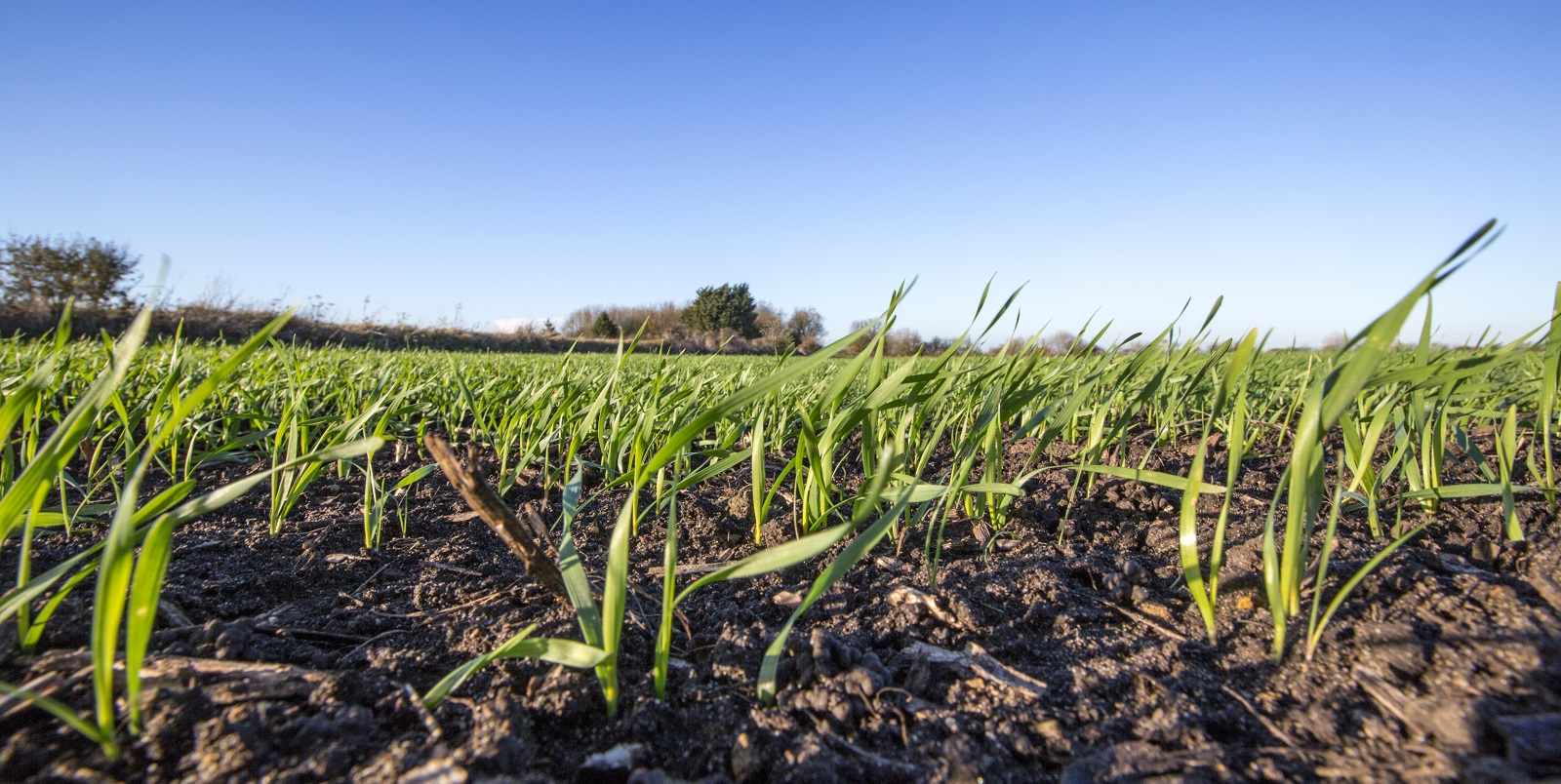
How well we manage our stubbles these days is increasingly the difference between success and failure in the battle against problem grassweeds. It can also make all the difference to the health and resilience of our soils.
Escalating herbicide resistance and the progressive loss of key pre- and post-em chemistry, has made what we do between harvesting one crop and planting the next more crucial than ever in keeping on top of yield-robbing black-grass, ryegrass and bromes.
Gone are the days when stubbles were things we dealt with as rapidly and cheaply as we could between the far more important priorities of combining and drilling. Instead, managing them has become a strategic essential we put too little thought, time and effort into at our peril.
Alongside the particular weed burden, the most appropriate stubble management strategy for the farm will, Roundup specialist Tom Scanlon believes, depend on two main things – the main establishment regime and the current cropping pattern.
When is the best time to cultivate then? Well, in no-till systems, the answer is clearly never. But for the majority of growers min-tilling, ploughing or using a rotational plough ahead of autumn or spring drilling without a catch or cover crop, Tom Scanlon suggests the best approach is to wait until after spraying-off the first flush of weed growth. And only then if soil conditions are right.