East: How to tackle OSR disease, aphids and grassweeds this November
Before winter sets in, Sam Harvey provides some advice on how growers in the East can tackle the remaining agronomic threats

Posted 8 years ago
07/11/2018
Before winter sets in, Sam Harvey provides some advice on how growers in the East can tackle the remaining agronomic threats
This month’s key messages
Crop progress
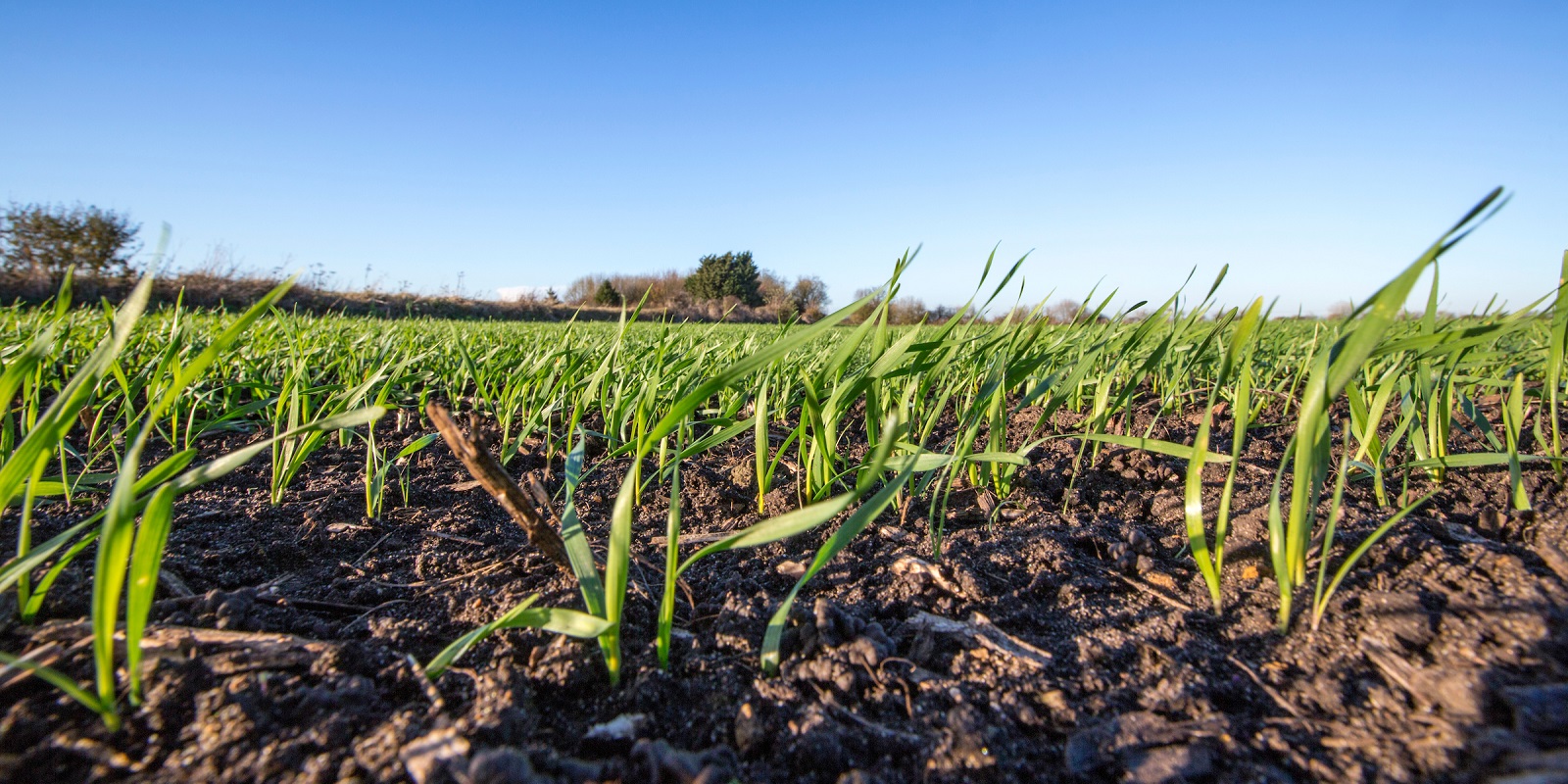
It was perfect weather for wheat drilling in the second half of October – a necessity for grassweed control. The combination of moisture and importantly, declining temperatures is also likely to see at least a 30% increase in performance of residual herbicides compared with those applied a month earlier.
Anything drilled earlier might have received a post-emergence herbicide by now, as grassweeds are well advanced given the warm moist conditions we have had. In the worst cases, where in-crop grassweed numbers were high, crops might have needed to be sprayed off with Roundup (glyphosate).
Oilseed rape crops have in the main developed strong canopies, depending on establishment technique and timing. Levels of peach potato aphid, Myzus persicae, have been mixed, with high incidence in some situations, but it does appear to have been sporadic. The size of the crop at time of migration and prevalence of virus within the population will determine any impact on yield.
Sam’s agronomy tips for November
There are two potential strategies for managing black-grass before Christmas in wheat crops – either apply a top-up spray of a residual herbicide, such as Liberator, or spray a contact-acting herbicide, such as Atlantis OD or Hamlet.
The decision will depend on the extent of grassweed emergence – where there hasn’t been any emergence then a residual top up will help control weeds that have yet to germinate. This is more likely to apply to crops drilled during the prime late October window.
Alternatively where grassweeds have emerged and reach 1-2 true leaves, then post-emergence options such as Hamlet (1.5 L/ha) or Atlantis OD (1.2 L/ha) might be better options. Always mix both with the adjuvant Biopower, and with a residual herbicide to control later germinating weeds.As the days draw short application technique is paramount and operators must target a dry or drying leaf, and allow two hours drying time – so in reality it’s one or two tanks loads in a day.
Aphid pressure in cereals has been high, particularly bird cherry oat aphids migrating into crops. It’s important to monitor emerged crops, even if seed was treated with Redigo Deter, as high daytime temperatures have led to the T-Sum of 170 accumulated day degrees above 3C being reached quickly.
As cooler air temperatures are upon us, migratory pressure and the risk of further winged adults into the crop should reduce, but consider whether crops need to be further protected against barley yellow dwarf virus (BYDV) transmission throughout winter before the gate is shut. This autumn’s aphid pressure is perhaps ominous for next year!
Few oilseed rape crops have received a fungicide application to date, with only low and inconsequential levels of phoma and powdery mildew in earlier established crops. Varietal ratings must be considered when it comes to fungicide choice and timing, but the main threat and focus should be geared towards latent light leaf spot.
Ensure that first sprays are applied in as much of a protectant scenario as possible. The next pass through crops is likely to be for the application of propyzamide when soil temperatures drop. Fungicide product choice must provide protection against light leaf spot and using broad spectrum Proline (prothioconazole) at 0.46L/ha will, as a one autumn spray timing ensure all disease bases are covered.
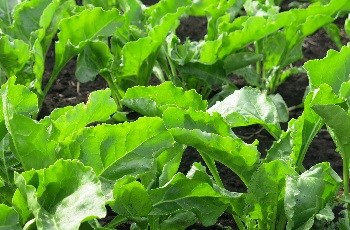
As there is considerable variability in sugar beet root size and spacing in many crops, the most important consideration is harvester setup to minimise losses during lifting.
Recent weather has seen beet foliage recover since the mid-season drought, but root bulk is very reminiscent of earlier conditions, reflecting soil texture and soil moisture deficits. Sugars have been good and any crops still in the ground will be benefiting from any two-spray fungicide programme. This has staved off rust development to maintain canopy cover into winter and allowed the crop to bulk to its greatest potential for the challenging season.
With next year’s sugar beet price known, and a derogation for use of neonic seed treatments turned down, careful scrutiny of production costs will be required to help inform planting decisions next spring.