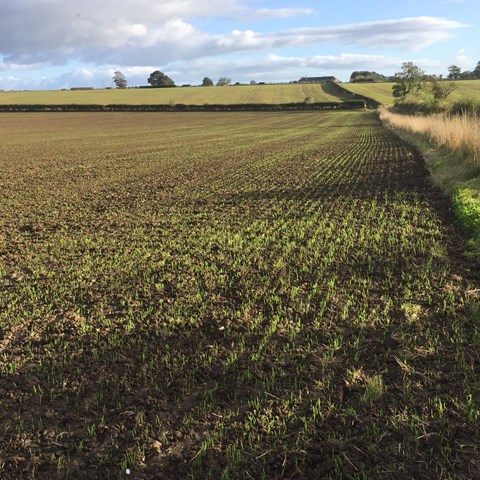
In the west of my area saturated soils have meant virtually no drilling, but further east growers have been getting on well and are about halfway through. Barleys were sown in good time and as we aren’t held back by grassweeds here, many first wheats are up and looking well, with the most advanced at the three-leaf stage.
Where pre-emergence herbicides are yet to go on, ensure you are applying to a moist, even seedbed within a few days of drilling and aim to get a good seal with the spray. If it’s level, you stand a good chance of success and rolling will help where possible.
Bromes and ryegrass are the biggest grassweed issues in the area. Autumn-germinating barren brome and ryegrass are held well by the pre-ems. However, we aren’t winning the battle against meadow and rye brome, which tend to germinate in February and March when residuals have run out of steam.
There are only limited post-emergence options, but growers should plan to use one if either species is present wheat crops.
Another increasing problem is rats tail fescue, which is creeping in from stewardship margins. Pre-emergence stacks are again important for control and there is an indication that flurtamone offers extra activity. We have included the species in our weed screen at Cawood this year to give us a better indication of control strategies.
Remember with Deter (clothianidin) seed treatments you have up to 8 weeks’ protection from barley yellow dwarf virus (BYDV). Depending on aphid risk, you may need to get a follow up pyrethroid spray on before Christmas, but think carefully whether this is necessary.