Winter wild-oat is generally considered the more challenging species to control, requiring more robust strategies
Seedling emergence patterns and winter hardiness differ between the two species so correct identification can help determine the best herbicide timing and non-chemical control strategy.
Although herbicide resistance has been found in both species, it is relatively more common in winter wild-oat – the first cases of resistance in the UK were all found in this species.
In the UK, there are two main species which frequently occur as weeds of arable crops
Common or Spring Wild Oat (Avena fatua)
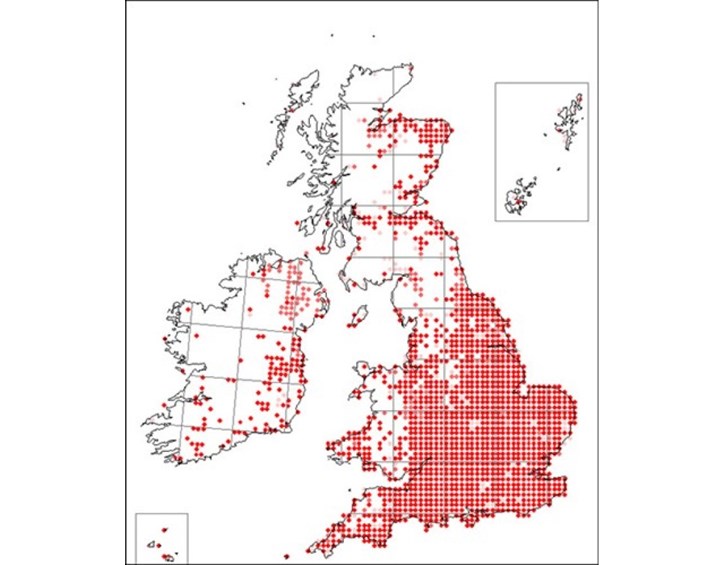
Occurs throughout England; more scattered distribution in Scotland and Wales. Recorded in 55% of the 2852 10 x 10 km grid squares surveyed for the Atlas of the British Flora (2002). See map.
Germinates mainly in spring (March/April) but with a variable, and sometimes considerable, amount of autumn germination too (mainly Sept/Oct)
Source: The New Atlas of the British and Irish Flora. C. D. Preston, D.A. Pearman and T.D. Dines, 2002 (Oxford University Press)
Winter Wild Oat (Avena sterilis ssp. ludoviciana)
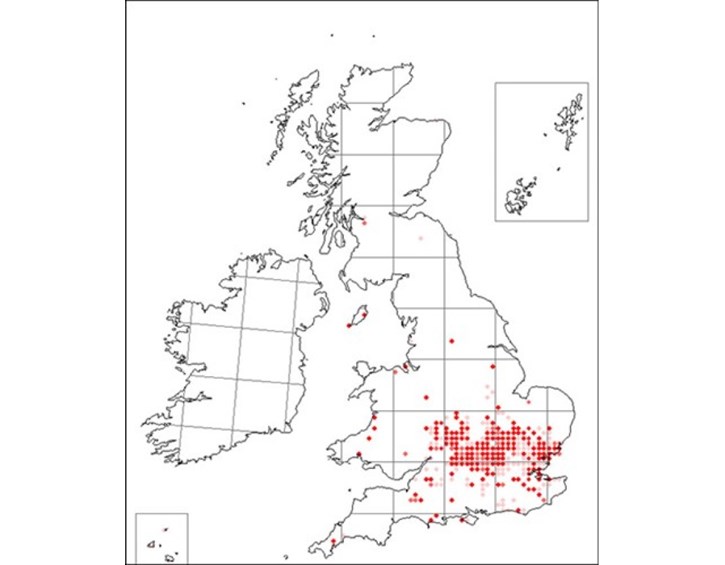
Less common and mainly found within 50 – 100 miles of Oxford where it was first recorded in the wild in 1910. Recorded in 10% of the 2852 10 x 10 km grid squares surveyed for the Atlas of the British Flora (2002), but probably under-reported. See map.
Germinates mainly in autumn and winter, from October to early March, and is more tolerant of freezing conditions than common wild-oat.
Source: The New Atlas of the British and Irish Flora. C. D. Preston, D.A. Pearman and T.D. Dines, 2002 (Oxford University Press)
Roundup
Visit our Roundup Hub for more articles like this one.
We would like to use optional cookies to better understand your use of this website in order to improve our website. Your consent also covers the transfer of your Personal Data in unsafe third countries, especially the U.S., involving the risk that public authorities may access your Personal Data for surveillance and other purposes without effective remedies. Detailed information about the use of strictly necessary cookies, which are essential to browse this website, and optional cookies, which you can reject or accept below, and how you can manage or withdraw your consent at any time can be found in our Privacy Statement